


1


Uppdaterad november 2026 · rangordnad efter vår popularitetspoäng (sökningar, besök och beställningar för varje verk) · 23 verk av William Hart i vår katalog
Kortfattat
Av alla originalverk som William Hart lämnade efter sig är det mest kända Hudson River Landscape (1854). Tätt efter följer Tivoli Falls (1851) och Rocky Coast at Sunset (1860). Vår katalog innehåller 23 verk av William Hart; galleriet har bevarat de 22 som världen beundrar mest, var och en presenterad med sitt datum, sitt museum och sin historia.


 Cows in the Meadow1878
12
 Hudson River Landscape1879
13
 Scene at Napanoch1883 · Metropolitan Museum of Art
14
 Cattle and Landscape1880 · Centennial One Object Exhibit
15
 Grand manan
16
 New London, Connecticut
17
 Fields in Summer
18
 Near Tappan Zee, New York
19
 View of New Hampshire
20
 Sunset over the Lake
21
 Summer stream
22
 Woodland scene
De fyra motiv som återkommer oftast i dessa originalverk, var och ett med sitt främsta exempel.
De 4 museer som innehar flest av målningarna på denna sida.
| Museum | Stad | Verk av William Hart | Målningar från denna lista |
|---|---|---|---|
 Albany Institute of History - Art |
Albany | 1 | Tivoli Falls |
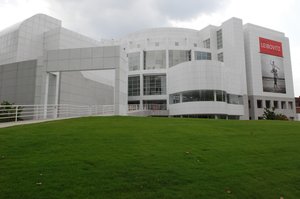 High Museum of Art |
Atlanta | 1 | The Last Gleam |
 Metropolitan Museum of Art |
New York | 1 | Scene at Napanoch |
 Centennial One Object Exhibit |
Unknown | 1 | Cattle and Landscape |
William Harts daterade verk i detta urval täcker endast 6 år, från 1878 till 1883: en kort karriär, presenterad här år för år.
Välj ett år för att se originalen.


This painting hangs in the dining room of Thomas Edison

William Hart's "Scene at Napanoch," painted in 1883, isn’t merely a landscape; it’s a carefully constructed tableau of rural life imbued with a profound sense of quiet observation and the subtle melancholy inherent in capturing a fleeting moment. This Hudson River School masterpiece, housed within The Metropolitan Museum of Art in New York City, offers a glimpse into a bygone era – a time when America was still grappling with…
Hudson River Landscape (1854). Därefter följer Tivoli Falls (1851) och Rocky Coast at Sunset (1860).
Hudson River Landscape, Tivoli Falls, Rocky Coast at Sunset, On the Maine Coast, Study for View of the Valley of the White Mountains, New Hampashire, 1857''', Harvest Scene - Valley of the Delaware, Sunset in the Valley, The Last Gleam, The Land, Keene Valley och Deer in the Adirondacks. Rankingen ovan visar varje verks årtal och museum.
Vår katalog innehåller 23 verk av William Hart, daterade från 1878 till 1883.
Främst i Albany Institute of History - Art (Albany), High Museum of Art (Atlanta) och Metropolitan Museum of Art (New York). Museitabellen ovan listar alla.
Under 1878: 3 av de 22 verk som finns på denna sida skapades då, varav The Land, Keene Valley.
På den här sidan är det tidigaste The Land, Keene Valley (1878) och det senaste Scene at Napanoch (1883).
Landscape (4), Sunset (3) och Usa (3), fördelat på 22 verk på denna sida.
Hudson river school, om man dömer efter originalen på denna sida.


