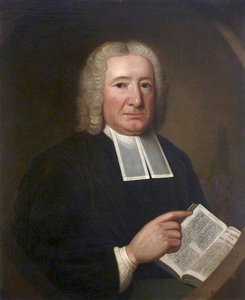
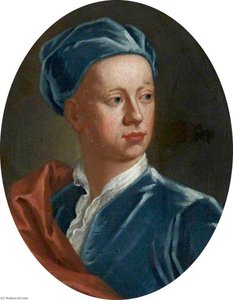
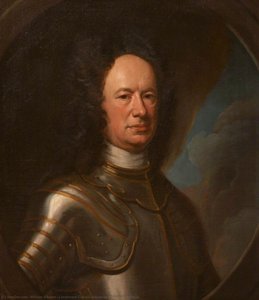
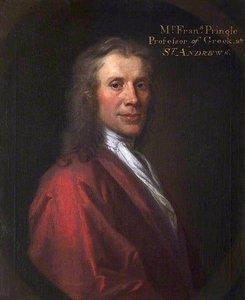
Porträtt av William Aikman

De 65 mest kända William Aikman-målningarna, varje ett unikt konstverk

Uppdaterad november 2026 · rangordnad efter vår popularitetspoäng (sökningar, besök och beställningar för varje verk) · 73 verk av William Aikman i vår katalog

Kortfattat

John Campbell, Second Duke of Argyll and Duke of Greenwich (1680-1743) (1709) är den målning av William Aikman som drar till sig flest blickar; originalet finns på Royal Collection, London. Därefter dras blicken till Anne Dalrymple, Lady Steuart, d. 1736 (1710) och James Gibbs (1682-1754) holding a Plan of St Mary le Strand, London (1713). Bland de 73 verk av William Aikman i vår katalog är dessa 65 de mest kända, var och en ett unikt original presenterat med sitt år, sitt museum och anledningen till dess tidlösa betydelse.

1682 – 1731, Aberdeenshire Neoclassicism Flest verk: Scottish National Portrait Gallery

Topp 10 målningar av William Aikman, ur galleriets perspektiv

1
John Campbell, Second Duke of Argyll and Duke of Greenwich (1680-1743) (1709) av William Aikman

John Campbell, Second Duke of Argyll and Duke of Greenwich (1680-1743)

1709 · Oil On Canvas · Royal Collection, London

The subject of this oil on canvas is John Campbell, Second Duke of Argyll and Duke of Greenwich. He is depicted in a vertical, three-quarter length pose, positioned slightly off-center against a background of heavy dark drapery and a distant, hazy landscape. The sitter wears a deep crimson coat accented by metallic silver and gold details, paired with a bright blue sash. His posture is upright, conveying a sense of…

2
Anne Dalrymple, Lady Steuart, d. 1736 (1710) av William Aikman

Anne Dalrymple, Lady Steuart, d. 1736

1710 · Oil On Canvas · Scottish National Portrait Gallery, Edinburgh

This three-quarter length portrait presents Anne Dalrymple, Lady Steuart, d. 1736, captured by the hand of William Aikman. Painted about 1710, the work fixes the subject in a moment of quietude. She exists within a space of soft light and deep shadow, her presence defined by the stillness of her posture. The artist, William Aikman, focuses on the steady gaze of the sitter, anchoring the composition with her steady, pale…

3
James Gibbs (1682-1754) holding a Plan of St Mary le Strand, London (1713) av William Aikman

James Gibbs (1682-1754) holding a Plan of St Mary le Strand, London

1713 · Oil On Canvas · Wimpole Hall

The air in the studio feels heavy and still as the light catches the fine, white powder of a meticulously styled wig. We find ourselves in the presence of an older man, his gaze fixed forward with a quiet, steady intensity that suggests a mind preoccupied with geometry and stone. He sits in a three-quarter pose, his dark brown coat absorbing the shadows of the room, while a crisp white…

4
Archibald Campbell, Earl of Ilay, later 3rd Duke of Argyll (1682-1761) (1715) av William Aikman

Archibald Campbell, Earl of Ilay, later 3rd Duke of Argyll (1682-1761)

1715 · Oil On Canvas · Royal Collection, London

Archibald Campbell, Earl of Ilay, later 3rd Duke of Argyll, occupies the space with a commanding stillness that demands immediate recognition. He stands in a vertical three-quarter length pose, his figure cutting a sharp silhouette against a dark, muted background of umber and black. A single light source from the upper left sweeps across the scene, catching the pale sheen of his wig and the luminous texture of his skin.…

5
Patie Birnie, the Fiddler of Kinghorn (1721) av William Aikman

Patie Birnie, the Fiddler of Kinghorn

1721 · Oil On Canvas · Scottish National Portrait Gallery, Edinburgh

The air feels heavy with the scent of aged wood and wool as Patie Birnie, the Fiddler of Kinghorn, meets our gaze. He sits in a three-quarter pose, his body angled slightly away while his eyes lock onto ours with a warmth that suggests a shared joke or a song just about to begin. A gentle smile creases his weathered face, softening the deep lines carved by years of laughter…

6
Sir Thomas Saunders Sebright, 4th Bt (1692-1736) or Mr Crawley (1730) av William Aikman

Sir Thomas Saunders Sebright, 4th Bt (1692-1736) or Mr Crawley

1730 · Oil On Canvas · Blickling Hall

A single figure occupies the center of this vertical landscape, a man caught in a moment of poised stillness. He wears a grey frock coat, its surface punctuated by the hard glint of silver buttons. Beneath the coat, a blue tunic reveals a pattern of brown damask braid, a subtle detail against the pale skin of his neck. A white cravat is knotted precisely, leading the eye upward to a…

7
An Unfinished Study of the Head of James Thomson (1725) av William Aikman

An Unfinished Study of the Head of James Thomson

1725 · Oil · Yale Center for British Art, New Haven

In this unfinished oil study, the young man James Thomson emerges from a haze of muted tones. William Aikman captures a fleeting moment of quietude, freezing the subject in a three-quarter view as he gazes toward the right. The portrait feels immediate, as if the artist has just stepped back to observe the play of light across a face that is still being brought into being. It is a glimpse…

8
Henry Kelsall (1692–1762) (1729) av William Aikman

Henry Kelsall (1692–1762)

1729 · Oil On Canvas · National Trust, Norwich

In this 1729 portrait, we encounter Henry Kelsall, a man whose presence commands the space he occupies. He is depicted in a full-length pose, standing with a quiet authority that suggests a life of significant social standing. The composition is traditional, placing him centrally against a backdrop that hints at a stately interior. A heavy red curtain drapes to one side, providing a deep, saturated contrast to the cool tones…

9
Sir Robert Walpole (1676–1745), 1st Earl of Orford, KG (1730) av William Aikman

Sir Robert Walpole (1676–1745), 1st Earl of Orford, KG

1730 · Oil On Canvas · National Trust, Norwich

This oil on canvas portrait, dating to 1730, depicts Sir Robert Walpole, 1st Earl of Orford, KG. The subject is presented in a three-quarter pose, facing slightly to the left, and occupies most of the frame. He is dressed in elaborate robes that signify wealth, power, and rank. The composition is centered, with the figure set against a dark and indistinct background that serves to highlight the subject. The lighting…

10
Dorothy Boyle (1699–1758), Countess of Burlington (1728) av William Aikman

Dorothy Boyle (1699–1758), Countess of Burlington

1728 · Oil On Canvas

In this 1728 oil on canvas, we encounter Dorothy Boyle, Countess of Burlington, presented in a formal, waist-up portrait. She gazes toward the viewer with a composure that suggests a life lived within the highest circles of British nobility. The composition is intimate, utilizing an oval frame to focus our attention entirely upon her figure against a muted, neutral brown background. There is a quietude in her expression, a seriousness…

William Aikmans berömda målningar, nummer 11 till 65

11Caroline of Brandenburg Ansbach (1683–1737), and Her Son Prince William Augustus (1721–1765), Duke of Cumberland (1730) av William AikmanCaroline of Brandenburg Ansbach (1683–1737), and Her Son Prince William Augustus (1721–1765), Duke of Cumberland1730 · National Trust 12James Hadow av William AikmanJames HadowUniversity of St Andrews 13George Alexander (1704) av William AikmanGeorge Alexander1704 14Robert Geddes, FRCSEd (1709) (1709) av William AikmanRobert Geddes, FRCSEd (1709)1709 · The Royal College of Surgeons of Edinburgh 15John Lauder (c.1680–1737), FRCSEd (1709) (1700) av William AikmanJohn Lauder (c.1680–1737), FRCSEd (1709)1700 · The Royal College of Surgeons of Edinburgh 16Robert Clerk (1664–1720), FRCSEd (1689) (1700) av William AikmanRobert Clerk (1664–1720), FRCSEd (1689)1700 · The Royal College of Surgeons of Edinburgh 17John Gay, Poet and Dramatist (1720) av William AikmanJohn Gay, Poet and Dramatist1720 18James Thomson, Poet (1720) av William AikmanJames Thomson, Poet1720 19John Campbell, 2nd Duke of Argyll and Greenwich, Soldier and Statesman (1720) av William AikmanJohn Campbell, 2nd Duke of Argyll and Greenwich, Soldier and Statesman1720 20James Thomson (1700–1748), Poet (1720) av William AikmanJames Thomson (1700–1748), Poet1720 · Scottish National Portrait Gallery 21Allan Ramsay (1684–1758), Poet (1722) av William AikmanAllan Ramsay (1684–1758), Poet1722 · Scottish National Portrait Gallery 22John Gay (1685–1732), Poet and Dramatist (1720) av William AikmanJohn Gay (1685–1732), Poet and Dramatist1720 · Scottish National Portrait Gallery 23John McGill (d.1735), FRCSEd (1710) (1711) av William AikmanJohn McGill (d.1735), FRCSEd (1710)1711 · The Royal College of Surgeons of Edinburgh 24Sir Patrick Hume (1641–1724), 1st Earl of Marchmont, Statesman (1720) av William AikmanSir Patrick Hume (1641–1724), 1st Earl of Marchmont, Statesman1720 · Nationalmuseet i Warszawa 25William Aikman (1682–1731), Artist, Self Portrait (1711) av William AikmanWilliam Aikman (1682–1731), Artist, Self Portrait1711 · Scottish National Portrait Gallery 26John Campbell (1680–1743), 2nd Duke of Argyll and Greenwich, Soldier and Statesman (1720) av William AikmanJohn Campbell (1680–1743), 2nd Duke of Argyll and Greenwich, Soldier and Statesman1720 · Scottish National Portrait Gallery 27John Monro (1670–1740), FRCSEd (1703) (1715) av William AikmanJohn Monro (1670–1740), FRCSEd (1703)1715 · The Royal College of Surgeons of Edinburgh 28Lieutenant Colonel Alexander Campbell of Finab (1715) av William AikmanLieutenant Colonel Alexander Campbell of Finab1715 · The Black Watch Castle - Museum 29Field Marshal Sir Robert Rich (1685–1768), 4th Bt (1729) av William AikmanField Marshal Sir Robert Rich (1685–1768), 4th Bt1729 · National Trust 30Francis Pringle, Professor of Greek at St Andrews (1723) av William AikmanFrancis Pringle, Professor of Greek at St Andrews1723 · University of St Andrews 31Sir Thomas Saunders Sebright (1692–1736), 4th Bt (or 'Mr Crawley') (1730) av William AikmanSir Thomas Saunders Sebright (1692–1736), 4th Bt (or 'Mr Crawley')1730 · National Trust 32Colonel Harbord Harbord (1675 –1742) (Harbord Cropley) (1732) av William AikmanColonel Harbord Harbord (1675 –1742) (Harbord Cropley)1732 · National Trust 33Sir John Cope (1690–1760) (1730) av William AikmanSir John Cope (1690–1760)1730 · National Trust 34Edmund Prideaux (1693–1745) (detail) (1730) av William AikmanEdmund Prideaux (1693–1745) (detail)1730 · National Trust 35Sir William Harbord (1696 –1770), MP, KB (1729) av William AikmanSir William Harbord (1696 –1770), MP, KB1729 · National Trust 36Thomas Coke (1697–1759), 1st Earl of Leicester (1731) av William AikmanThomas Coke (1697–1759), 1st Earl of Leicester1731 · National Trust 37Sir William Leman (d.1741), 2nd Bt of Northaw, Hertfordshire (1729) av William AikmanSir William Leman (d.1741), 2nd Bt of Northaw, Hertfordshire1729 · National Trust 38William Kent (1725) av William AikmanWilliam Kent1725 · National Portrait Gallery 39Sir Charles Blois (1657–1738), 1st Bt, MP for Ipswich and Dunwich (1725) av William AikmanSir Charles Blois (1657–1738), 1st Bt, MP for Ipswich and Dunwich1725 40John Hay, 4th Marquess of Tweeddale, Lord Justice General for Scotland (1728) av William AikmanJohn Hay, 4th Marquess of Tweeddale, Lord Justice General for Scotland1728 41Sir Gilbert Elliot (1693–1766), 1st Lord Minto (1726) av William AikmanSir Gilbert Elliot (1693–1766), 1st Lord Minto1726 · Scottish National Portrait Gallery 42Sir Henry Harpur (1708–1748), 5th Bt (1728) av William AikmanSir Henry Harpur (1708–1748), 5th Bt1728 · National Trust 43Mary Savile (1700–1751), Countess of Thanet (1728) av William AikmanMary Savile (1700–1751), Countess of Thanet1728 44John St John (1702–1748), 2nd Viscount St John (1742) av William AikmanJohn St John (1702–1748), 2nd Viscount St John1742 · Lydiard House 45Adam Cockburn, Lord Ormiston, 1656 - 1735. Lord Justice-Clerk av William AikmanAdam Cockburn, Lord Ormiston, 1656 - 1735. Lord Justice-ClerkScottish National Portrait Gallery 46Sir James Steuart, 1st Baronet, of Goodtrees and Coltness, 1681 - 1727 av William AikmanSir James Steuart, 1st Baronet, of Goodtrees and Coltness, 1681 - 1727Scottish National Portrait Gallery 47John Dalrymple (1673–1747), 2nd Earl of Stair or John Campbell (1680–1743), Duke of Argyll and Greenwich av William AikmanJohn Dalrymple (1673–1747), 2nd Earl of Stair or John Campbell (1680–1743), Duke of Argyll and Greenwich 48Lady Anne Maxwell av William AikmanLady Anne Maxwell 49John Erskine, 14th of Dun, Son of Lord Dun, Aged 10 av William AikmanJohn Erskine, 14th of Dun, Son of Lord Dun, Aged 10 50Landscape with a River av William AikmanLandscape with a River 51Katherine Erskine, Daughter of Sir Charles Erskine of Alva, Wife of Patrick Campbell of Monzie av William AikmanKatherine Erskine, Daughter of Sir Charles Erskine of Alva, Wife of Patrick Campbell of Monzie 52Elizabeth Graham of Airth av William AikmanElizabeth Graham of AirthThe National Trust For Scotland 53John Erskine (1712–1787), 14th of Dun, Son of Lord Dun, Aged 10 av William AikmanJohn Erskine (1712–1787), 14th of Dun, Son of Lord Dun, Aged 10National Trust for Scotland 54Self Portrait av William AikmanSelf PortraitScottish National Gallery 55Elizabeth Ogilvy, Countess of Lauderdale av William AikmanElizabeth Ogilvy, Countess of Lauderdale 56John Lumsden of Blanearn av William AikmanJohn Lumsden of BlanearnThe National Trust For Scotland 57Charles Maitland (1688–1744), 6th Earl of Lauderdale av William AikmanCharles Maitland (1688–1744), 6th Earl of Lauderdale 58Rachel Graham, Wife of John Lumsden of Blanearn av William AikmanRachel Graham, Wife of John Lumsden of BlanearnThe National Trust For Scotland 59David Erskine (1672–1758), 13th of Dun, in the Robes of the Court of Session av William AikmanDavid Erskine (1672–1758), 13th of Dun, in the Robes of the Court of SessionNational Trust for Scotland 60Anne Erskine (1709–1735), Daughter of Lord Dun and Wife Successively of James, 9th Earl of Airlie and Sir Alexander Macdonald av William AikmanAnne Erskine (1709–1735), Daughter of Lord Dun and Wife Successively of James, 9th Earl of Airlie and Sir Alexander MacdonaldNational Trust for Scotland 61George Watson (1654–1723) av William AikmanGeorge Watson (1654–1723)The Merchant's Hall 62Walter Scott, 'Beardie' (1679–1729), Great Grandfather of Sir Walter Scott av William AikmanWalter Scott, 'Beardie' (1679–1729), Great Grandfather of Sir Walter ScottAbbotsford House 63Susanna Kennedy (1689–1780), Countess of Eglinton, Third Wife of the 9th Earl of Eglinton, Patroness of Letters av William AikmanSusanna Kennedy (1689–1780), Countess of Eglinton, Third Wife of the 9th Earl of Eglinton, Patroness of LettersScottish National Portrait Gallery 64Sir James Campbell of Lawers and Rowallan (1667–1745), Soldier av William AikmanSir James Campbell of Lawers and Rowallan (1667–1745), SoldierScottish National Portrait Gallery 65John Campbell, 2nd Duke of Argyll and Duke of Greenwich (1725) av William AikmanJohn Campbell, 2nd Duke of Argyll and Duke of Greenwich1725 · National Portrait Gallery

William Aikmans berömda målningar, period för period

Motiven som fångade William Aikmans blick

De fyra motiv som återkommer oftast i dessa originalverk, var och ett med sitt främsta exempel.

Museerna som förvarar William Aikmans originalverk

De 8 museer som innehar flest av målningarna på denna sida.

Museum Stad Verk av William Aikman Målningar från denna lista
Scottish National Portrait Gallery, EdinburghScottish National Portrait Gallery Edinburgh 12 Anne Dalrymple, Lady Steuart, d. 1736, Patie Birnie, the Fiddler of Kinghorn, James Thomson (1700–1748), Poet
National Trust, NorwichNational Trust Norwich 10 Henry Kelsall (1692–1762), Sir Robert Walpole (1676–1745), 1st Earl of Orford, KG, Field Marshal Sir Robert Rich (1685–1768), 4th Bt
The Royal College of Surgeons of Edinburgh, EdinburghThe Royal College of Surgeons of Edinburgh Edinburgh 5 Robert Geddes, FRCSEd (1709), John Lauder (c.1680–1737), FRCSEd (1709), Robert Clerk (1664–1720), FRCSEd (1689)
The National Trust For Scotland, EdinburghThe National Trust For Scotland Edinburgh 3 Elizabeth Graham of Airth, John Lumsden of Blanearn, Rachel Graham, Wife of John Lumsden of Blanearn
National Trust for Scotland, MontroseNational Trust for Scotland Montrose 3 John Erskine (1712–1787), 14th of Dun, Son of Lord Dun, Aged 10, David Erskine (1672–1758), 13th of Dun, in the Robes of the Court of Session, Anne Erskine (1709–1735), Daughter of Lord Dun and Wife Successively of James, 9th Earl of Airlie and Sir Alexander Macdonald
Royal Collection, LondonRoyal Collection London 2 John Campbell, Second Duke of Argyll and Duke of Greenwich (1680-1743), Archibald Campbell, Earl of Ilay, later 3rd Duke of Argyll (1682-1761)
University of St Andrews, St AndrewsUniversity of St Andrews St Andrews 2 James Hadow, Francis Pringle, Professor of Greek at St Andrews
National Portrait Gallery, LondonNational Portrait Gallery London 2 William Kent, John Campbell, 2nd Duke of Argyll and Duke of Greenwich

William Aikman genom decennierna: ett unikt original för varje era

Verk per decennium

Välj ett decennium för att se originalverket som definierar det.

William Aikmans målningar: frågor till galleriet

Vilket är William Aikmans mest kända verk?Visa svaret

John Campbell, Second Duke of Argyll and Duke of Greenwich (1680-1743) (1709), Royal Collection, London. Anne Dalrymple, Lady Steuart, d. 1736 (1710) och James Gibbs (1682-1754) holding a Plan of St Mary le Strand, London (1713) följer efter.

Vid vilken ålder skapade William Aikman John Campbell, Second Duke of Argyll and Duke of Greenwich (1680-1743)?Visa svaret

27 år gammal: John Campbell, Second Duke of Argyll and Duke of Greenwich (1680-1743) är från 1709, och William Aikman föddes 1682.

Vilka tio målningar av William Aikman är de mest kända?Visa svaret

John Campbell, Second Duke of Argyll and Duke of Greenwich (1680-1743), Anne Dalrymple, Lady Steuart, d. 1736, James Gibbs (1682-1754) holding a Plan of St Mary le Strand, London, Archibald Campbell, Earl of Ilay, later 3rd Duke of Argyll (1682-1761), Patie Birnie, the Fiddler of Kinghorn, Sir Thomas Saunders Sebright, 4th Bt (1692-1736) or Mr Crawley, An Unfinished Study of the Head of James Thomson, Henry Kelsall (1692–1762), Sir Robert Walpole (1676–1745), 1st Earl of Orford, KG och Dorothy Boyle (1699–1758), Countess of Burlington. Rankingen ovan visar varje verks årtal och museum.

Hur många verk av William Aikman är kända?Visa svaret

Vår katalog innehåller 73 verk av William Aikman, daterade från 1700 till 1731.

Var kan de mest kända originalen av William Aikman ses?Visa svaret

Främst i Scottish National Portrait Gallery (Edinburgh), National Trust (Norwich) och The Royal College of Surgeons of Edinburgh (Edinburgh). Museitabellen ovan listar alla.

Under vilken period skapade William Aikman sina mest kända målningar?Visa svaret

Under 1720s: 23 av de 65 verk som finns på denna sida skapades då, varav Patie Birnie, the Fiddler of Kinghorn.

Vilket av de kända verken av William Aikman är det tidigaste respektive det senaste?Visa svaret

På den här sidan är det tidigaste John Lauder (c.1680–1737), FRCSEd (1709) (1700) och det senaste Thomas Coke (1697–1759), 1st Earl of Leicester (1731).

Vilka motiv föredrog William Aikman?Visa svaret

Man (46), Portrait (17) och Wig (12), fördelat på 65 verk på denna sida.

Vilka material använde William Aikman mest av när hen målade?Visa svaret

Oil On Canvas, för 44 av de 65 verk som finns på denna sida.

Vilken konstinriktning tillhör William Aikmans verk?Visa svaret

Neoclassicism, om man dömer efter originalen på denna sida.

Vilka original av William Aikman kan jag se på Scottish National Portrait Gallery?Visa svaret

Anne Dalrymple, Lady Steuart, d. 1736, Patie Birnie, the Fiddler of Kinghorn och James Thomson (1700–1748), Poet: Scottish National Portrait Gallery, Edinburgh har 12 av verken på denna sida.

William Aikman: ett porträtt av konstnären

Den skotska upplysningens själ: William Aikmans liv och konst

I det livfulla intellektuella landskapet i 1700-talets Skottland fanns få gestalter som förkroppsligade den harmoniska föreningen av visuell konstnärlighet och litteriskt djup så graciöst som William Aikman. Han föddes 1682 i en familj som såg en framtid för honom inom juridikens strikta salar, men Aikman valde slutligen en väg som var betydligt mer stämningsfull och eterisk. Istället för att fördjupa sig i lagens torra komplexitet, övergav han sig helt åt penseln och blev en porträttmålare vars verk skulle fånga själva essensen av den skotska upplysningen. Hans liv var inte bara en strävan efter teknisk perfektion, utan ett djupt engagemang för de humanistiska ideal som höll på att omforma det europeiska medvetandet.

Grunden för Aikmans konstnärliga identitet lades under hans formativa år vid universitetet i Edinburgh. Det var här han knöt ett bestående och förvandlande band med Allan Ramsay, den berömda poeten inom Doriment-traditionen. Denna vänskap var mer än bara en social kontakt; det var en gemensam intellektuell resa. Genom Ramsay blev Aikman djupt uppslukad av en poetisk estetik präglad av uppriktighet, emotionell resonans och en delikat uppskattning för naturen. Denna litterära känslighet skulle senare manifesteras i hans målningar och ge hans motiv en viss psykologisk tyngd och en stillsam värdighet som sträckte sig långt bortom den blotta avbildningen av fysiska drag.

En resa genom klassisk storslagenhet

För att förfina sin växande talang sökte sig Aikman till den rigorösa träning som fanns tillgänglig i London, där han mötte de framväxande influenserna från den italienska nyklassicismen. Hans sanna konstnärliga metamorfos ägde dock rum under hans omfattande resor genom Italien. I renässansens vagga studerade Aikman mästarna med noggrannhet och fann djup inspiration i de balanserade kompositionerna och de idealiserade formerna hos Rafael och Michelangelo. Denna pilgrimsfärd gjorde det möjligt för honom att absorbera antikens principer och integrera en känsla av strukturell beständighet och klassisk grace i sitt porträttmåleri.

Vid sin återkomst till Skottland framträdde Aikmans stil som en sofistikerad blandning av nordisk känslighet och sydlig storslagenhet. Hans arbete kännetecknades av en seren elegans, där han undvek barockens överdrivna dramatik till förmån för en mer samlad och eftertänksam presentation. Han besatt en anmärkningsvärd förmåga att återge texturer – silkets subtila lyster, sammetens tyngd och hudens mjukhet – med en precision som kändes både livfull och upphöjd av ett konstnärligt ideal. Hans porträtt var inte bara speglingar av verkligheten, utan var genomströmmade av karaktär och en intellektuell närvaro.

Mecenatskap, arv och historisk betydelse

Utöver sina individuella tekniska prestationer spelade Aikman en avgörande roll i sin eras kulturella ekosystem. Han utgjorde en viktig bro mellan konstens och litteraturens världar och agerade som en tidig förespråkare för gestalter som James Thomson. Genom att använda sina sociala kontakter för att säkra stöd från inflytelserika personer som Robert Walpole, hjälpte Aikman till att skapa en miljö där skotska intellektuella kunde blomstra på en bredare europeisk arena. Hans förmåga att navigera i maktens korridorer samtidigt som han bevarade sin konstnärliga integritet gjorde honom till en central figur i Edinburghs framväxande kulturella renässans.

William Aikmans arv lever vidare i hans porträtts tysta styrka, vilka fortsätter att fungera som fönster in i en tidsålder definierad av förnuft och förfining. Hans bidrag kan sammanfattas genom flera pelare i hans karriär:

  • Syntesen av konstformerna: Han lyckades framgångsrikt förena den italienska nyklassicismens visuella språk med den skotska poesins emotionella uppriktighet.
  • Kulturellt förvaltarskap: Genom sitt mecenatskap och sina kontakter bidrog han till att höja statusen för skotska intellektuella inom de brittiska öarna.
  • Teknisk mästerskap: Hans hängivelse åt att studera de gamla mästarna gjorde att han kunde introducera en nivå av klassisk sofistikering i det skotska porträttmåleriet som tidigare varit osedd.
  • Bestående inflytande: Hans verk förblir en viktig referenspunkt för att förstå de estetiska och intellektuella strömningarna under 1700-talets upplysning.

Trots att hans liv var relativt kort och avslutades 1731, förblir William Aikmans avtryck djupt inristat i den brittiska konsthistorien. Han står som ett testamente till kraften i att följa sin sanna kallelse, och bevisar att när penseln leds av både intellektet och hjärtat, kan den fånga inte bara ett ansikte, utan en hel epoks själ.