

1


Uppdaterad oktober 2026 · rangordnad efter vår popularitetspoäng (sökningar, besök och beställningar för varje verk) · 11 verk av Billy Apple i vår katalog
Kortfattat
Self Portraits (Apple Sees Red on Green) (1963) är den målning av Billy Apple som drar till sig flest blickar; originalet finns på Tate Modern, London. Därefter dras blicken till The man in the hathaway suit och Entertaiment. Bland de 11 verk av Billy Apple i vår katalog är dessa 11 de mest kända, var och en ett unikt original presenterat med sitt år, sitt museum och anledningen till dess tidlösa betydelse.




De 2 museer som innehar flest av målningarna på denna sida.
| Museum | Stad | Verk av Billy Apple | Målningar från denna lista |
|---|---|---|---|
 NEMO Science Museum |
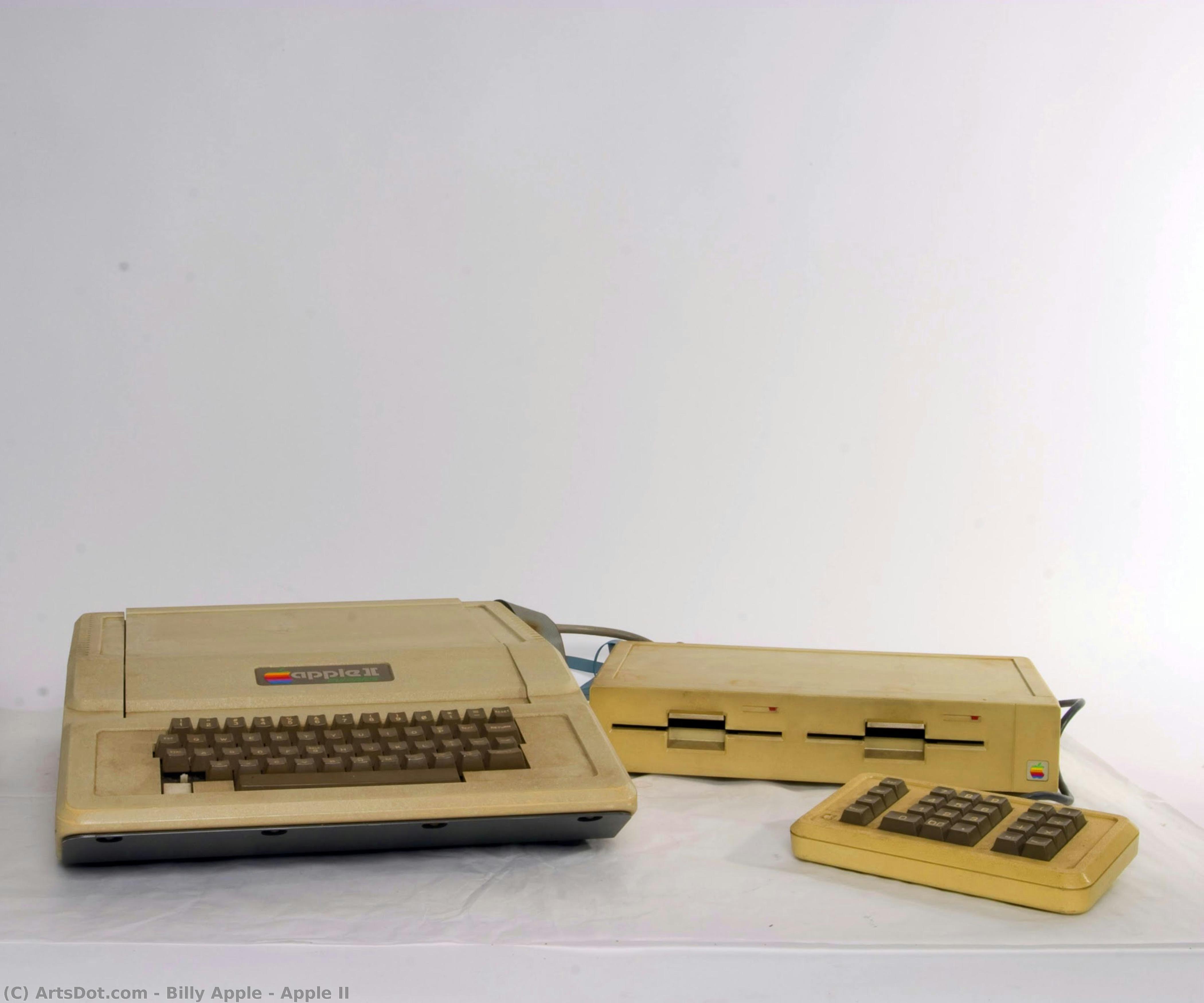
Amsterdam | 2 | Apple II, Apple personal computer |
 Tate Modern |
London | 1 | Self Portraits (Apple Sees Red on Green) |
En lång karriär på 24 år, från 1963 till 1986: Billy Apples mest kända original, visade år för år.
Välj ett år för att se originalen.
Self Portraits (Apple Sees Red on Green) (1963), Tate Modern, London. The man in the hathaway suit och Entertaiment följer efter.
28 år gammal: Self Portraits (Apple Sees Red on Green) är från 1963, och Billy Apple föddes 1935.
Self Portraits (Apple Sees Red on Green), The man in the hathaway suit, Entertaiment, Apple II, Apple personal computer, From the mike wilson collection, Vertical progressive, As good as gold, The presidential suite och Relation of aesthetic choice to life activity function of the subject. Rankingen ovan visar varje verks årtal och museum.
Vår katalog innehåller 11 verk av Billy Apple, daterade från 1963 till 1986.
Främst i NEMO Science Museum (Amsterdam) och Tate Modern (London). Museitabellen ovan listar alla.
På den här sidan är det tidigaste Self Portraits (Apple Sees Red on Green) (1963) och det senaste Apple personal computer (1986).
Pop art, om man dömer efter originalen på denna sida.
Apple II och Apple personal computer: NEMO Science Museum, Amsterdam har 2 av verken på denna sida.
Born Barrie Bates in Auckland, New Zealand, on December 31st, 1935, Billy Apple’s artistic journey was a radical transformation—a deliberate shedding of identity to forge a new persona entirely dedicated to exploring the intersection of art, commerce, and everyday life. His career spanned six decades, marked by a relentless experimentation with materials, concepts, and his own self-branding, ultimately establishing him as a pivotal figure in both Pop Art and Conceptual Art movements. Apple’s work wasn't simply about creating objects; it was about questioning the very nature of art itself – its value, its context, and its relationship to the world around us.
Early influences were surprisingly diverse. Bates’ initial training at Elam School of Fine Arts in Auckland exposed him to a burgeoning New Zealand art scene, but his true artistic awakening occurred during his studies at the Royal College of Art in London in 1959. There, amidst the vibrant and challenging environment of post-war British art, he encountered artists like David Hockney and Ridley Scott, absorbing their innovative approaches while simultaneously forging his own distinct path. This period laid the groundwork for his later embrace of Pop Art’s fascination with popular culture and its critique of consumerism – a theme that would become central to his practice.
In 1962, Bates dramatically reinvented himself as Billy Apple. This wasn't merely a name change; it was a complete artistic statement. He bleached his hair and eyebrows with Lady Clairol Instant Cremé Whip – a deliberate act of appropriation and subversion, immediately signaling a rejection of traditional notions of the artist’s persona. The creation of ‘Billy Apple’ coincided with a move to New York City in 1964, where he began to actively participate in the burgeoning Pop Art scene. This strategic rebranding allowed him to operate outside the constraints of personal identity and focus solely on his artistic vision.
Apple's early work in New York was characterized by a playful engagement with technology and consumer culture. The “American Supermarket” exhibition, curated by Ben Birillo in 1964, showcased everyday objects – produce, canned goods, advertisements – all created by prominent Pop artists, including Apple himself. This project brilliantly highlighted the blurring lines between art and commerce, reflecting the growing influence of mass media and advertising on society. Later, his exploration of neon signage—particularly in works like “Apples to Xerox” (1965) and “Neon Rainbows” (1965)—became a signature element, utilizing bright, synthetic light to draw attention to the artificiality of modern life.
As the 1970s progressed, Apple shifted his focus towards more conceptual approaches. He established ‘APPLE,’ a groundbreaking alternative exhibition space in New York City’s West Village in 1969. This wasn't simply a gallery; it was a self-contained environment designed to challenge conventional art practices and foster dialogue. ‘APPLE’ operated as both an exhibition venue and a forum for artistic experimentation, hosting works by artists like Geoff Hendricks, Larry Miller, and Davi Det Hompson. The space became a vital hub for the avant-garde, pushing boundaries and questioning established hierarchies within the art world.
Beyond ‘APPLE,’ Apple continued to develop his own unique system of branding and self-promotion. He created a line of products – “Billy Apple” cider, coffee, and even an apple variety – extending his artistic identity into the realm of commerce. This strategic move wasn’t merely about generating revenue; it was a deliberate exploration of the relationship between art and capital, questioning the very definition of value within the art market.
Billy Apple's influence on contemporary art is profound. He pioneered techniques like neon sculpture and self-branding, pushing the boundaries of artistic expression and challenging traditional notions of the artist’s role. His work continues to be exhibited internationally, recognized for its conceptual rigor, playful experimentation, and critical engagement with society. Apple’s legacy extends beyond his individual artworks; he fundamentally altered the way artists approached their practice, demonstrating the power of self-invention and the potential for art to operate as a commentary on the world around us. He died in Auckland, New Zealand, on September 6th, 2021, leaving behind a body of work that remains both provocative and deeply insightful.
