
1


Uppdaterad november 2026 · rangordnad efter vår popularitetspoäng (sökningar, besök och beställningar för varje verk) · 24 verk av Paul Brason i vår katalog
Kortfattat
Av alla originalverk som Paul Brason lämnade efter sig är det mest kända Philip William Bryce Lever (1915–2000), 3rd Viscount Leverhulme, KG. Tätt efter följer Professor Dorothy Wedderburn (1991) och Gerald Grosvenor (b.1951), 6th Duke of Westminster (1995). Vår katalog innehåller 24 verk av Paul Brason; galleriet har bevarat de 24 som världen beundrar mest, var och en presenterad med sitt datum, sitt museum och sin historia.


 Robert G. Beldam (1914–2003), CBE, Honorary Fellow (1995–2003)1995
12
 Canon Maurice Ridgway (1918–2002)1994
13
 David George Vaisey (b.1935)1996 · Bodleian Libraries
14
 Gerald Ball, Garage Proprietor1999 · Girton College
15
 Sir Keith Thomas (b.1933), President (1986–2000)2002
16
 Keith Gilbert Robbins (b.1940), Principal and Vice Chancellor of University of Wales Lampeter, St David's University College (1992–2003)2003
17
 Dr Michael Fopp, Director General of the Royal Air Force Museum2007
18
 Lord Wilson of Tillyorn2007 · Peterhouse
19
 Barry Everitt, Master of Downing College2007 · Paintings Owned by Colleges
20
 Professor Michael Mingos (b.1944), FRS, Principal (1999–2009)2007 · St Edmund Hall
21
 Alan and Grace Howard2010 · Paintings Owned by Colleges
22
 Professor Dame Jean Thomas2012 · st Catharine's College
23
 John Hood (b.1942)Bodleian Libraries
24
 Philip William Bryce Lever (1915–2000), 3rd Viscount Leverhulme, Chancellor of the University of Liverpool (1980–1993)
De fyra motiv som återkommer oftast i dessa originalverk, var och ett med sitt främsta exempel.
#1 Philip William Bryce Lever (1915–2000), 3rd Viscount Leverhulme, KG
 #2 Professor Dorothy Wedderburn
 #8 Brian Robert Morris (1930–2001), Lord Morris of Castle Morris
#16 Keith Gilbert Robbins (b.1940), Principal and Vice Chancellor of University of Wales Lampeter, St David's University College (1992–2003)
De 8 museer som innehar flest av målningarna på denna sida.
| Museum | Stad | Verk av Paul Brason | Målningar från denna lista |
|---|---|---|---|
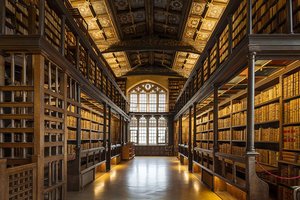 Bodleian Libraries |
Oxford | 2 | David George Vaisey (b.1935), John Hood (b.1942) |
 Paintings Owned by Colleges |
Cambridge | 2 | Barry Everitt, Master of Downing College, Alan and Grace Howard |
 Royal Holloway |
Egham | 1 | Professor Dorothy Wedderburn |
 Chester Town Hall |
Chester | 1 | Gerald Grosvenor (b.1951), 6th Duke of Westminster |
 Merton College |
Oxford | 1 | Dame Jessica Rawson, Warden |
 The University of Reading |
Reading | 1 | Ewan Page |
 Government Art Collection |
London | 1 | Brian Robert Morris (1930–2001), Lord Morris of Castle Morris |
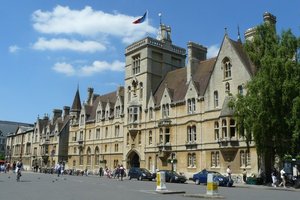 Balliol College |
Oxford | 1 | Baruch S. Blumberg |
Välj ett decennium för att se originalverket som definierar det.


Philip William Bryce Lever (1915–2000), 3rd Viscount Leverhulme, KG. Därefter följer Professor Dorothy Wedderburn (1991) och Gerald Grosvenor (b.1951), 6th Duke of Westminster (1995).
Philip William Bryce Lever (1915–2000), 3rd Viscount Leverhulme, KG, Professor Dorothy Wedderburn, Gerald Grosvenor (b.1951), 6th Duke of Westminster, Dame Jessica Rawson, Warden, Brian Robert Morris (1930–2001) (triptych), Ewan Page, Brian Robert Morris (1930–2001), Baron Morris of Castle Morris, Principal of St David's University College (1980–1991), Brian Robert Morris (1930–2001), Lord Morris of Castle Morris, Sir Emmanuel Kaye och Baruch S. Blumberg. Rankingen ovan visar varje verks årtal och museum.
Vår katalog innehåller 24 verk av Paul Brason, daterade från 1990 till 2012.
Främst i Bodleian Libraries (Oxford), Paintings Owned by Colleges (Cambridge) och Royal Holloway (Egham). Museitabellen ovan listar alla.
Under 1990s: 11 av de 24 verk som finns på denna sida skapades då, varav Professor Dorothy Wedderburn.
På den här sidan är det tidigaste Ewan Page (1990) och det senaste Professor Dame Jean Thomas (2012).
Reflection (4), Portrait (3) och Portraiture (3), fördelat på 24 verk på denna sida.
Contemporary realism, om man dömer efter originalen på denna sida.
David George Vaisey (b.1935) och John Hood (b.1942): Bodleian Libraries, Oxford har 2 av verken på denna sida.