Porträtt av Jan Roos

Jan Rooss målningar: De 4 mest kända, ur ett galleris perspektiv

Uppdaterad november 2026 · rangordnad efter vår popularitetspoäng (sökningar, besök och beställningar för varje verk) · 4 verk av Jan Roos i vår katalog

Kortfattat

Ur galleriets perspektiv är Jan Rooss mest kända målning Portrait of a youth (1601), vars original hänger på Museo del Prado i Madrid. Still Life of Fruit and Vegetables with Two Monkeys (1620) och Galleria Canesso – Orpheus enchants the animals fullbordar trion som alla känner igen. Av de 4 verk av Jan Roos i vår katalog presenterar galleriet nedan de 4 mest kända, var och en som ett original med sitt år, sitt museum och vad som gör det unikt.

1591 – 1638, Antwerp Baroque Flest verk: Museo del Prado

Galleriets 10 främsta målningar av Jan Roos

1
Portrait of a youth (1601) av Jan Roos

Portrait of a youth

1601 · Oil On Canvas · Museo del Prado, Madrid

A young man occupies the center of this vertical composition, his presence anchored by the weight of heavy cloth and the sharp glint of steel. He is dressed in the high fashion of the early seventeenth century, wearing a crisp white ruff collar that catches the light against the deep shadows of his torso. His sleeves and stockings are a deep, saturated red, providing a sudden pulse of color amidst…

2
Still Life of Fruit and Vegetables with Two Monkeys (1620) av Jan Roos

Still Life of Fruit and Vegetables with Two Monkeys

1620 · Oil On Canvas · National Gallery, London

The scene unfolds within Still Life of Fruit and Vegetables with Two Monkeys, a work that captures a moment of sudden, lively movement amidst a bounty of nature. Painted by Jan Roos about 1620, this oil on canvas presents a lush arrangement that seems to spill toward the viewer. The composition centers on a heavy, overflowing display of produce, where the presence of two monkeys introduces a sense of unpredictable…

3
Galleria Canesso – Orpheus enchants the animals av Jan Roos

Galleria Canesso – Orpheus enchants the animals

A single figure stands at the center of a quiet tension. He holds his instrument, a vessel for sound that commands the stillness of the wild. Around him, the creatures of the earth gather, drawn by a melody that transcends the instinct of flight or fight. There is a heavy, dramatic light that falls across the scene, casting deep shadows that swallow the corners of the gallery. The animals do…

Museerna som förvarar Jan Rooss originalverk

De 4 museer som innehar flest av målningarna på denna sida.

Museum Stad Verk av Jan Roos Målningar från denna lista
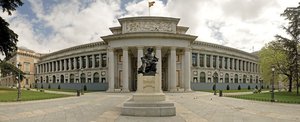
Museo del Prado, MadridMuseo del Prado Madrid 1 Portrait of a youth
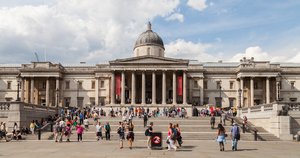
National Gallery, LondonNational Gallery London 1 Still Life of Fruit and Vegetables with Two Monkeys
Biennale Internazionale dell'Antiquariato di Firenze, FlorensBiennale Internazionale dell'Antiquariato di Firenze Florens 1 Galleria Canesso – Orpheus enchants the animals
Musei di Strada Nuova, GenovaMusei di Strada Nuova Genova 1 Still Life with Fruit and Vegetables

Jan Roos, årets signaturmålningar

20 år av Jan Rooss konst, från 1601 till 1620: galleriet följer dem år för år, genom de mest kända originalen från varje år.

Verk per år

Välj ett år för att se originalen.

Jan Rooss målningar: galleriets svar

Vilken av Jan Rooss målningar är den mest kända av alla?Visa svaret

Portrait of a youth (1601), Museo del Prado, Madrid. Still Life of Fruit and Vegetables with Two Monkeys (1620) och Galleria Canesso – Orpheus enchants the animals följer efter.

Hur gammal var Jan Roos när Portrait of a youth färdigställdes?Visa svaret

10 år gammal: Portrait of a youth är från 1601, och Jan Roos föddes 1591.

Hur många verk skapade Jan Roos?Visa svaret

Vår katalog innehåller 4 verk av Jan Roos, daterade från 1601 till 1620.

Var hänger Jan Rooss mest kända original?Visa svaret

Främst i Museo del Prado (Madrid), National Gallery (London) och Biennale Internazionale dell'Antiquariato di Firenze (Florens). Museitabellen ovan listar alla.

Vilka är Jan Rooss tidigaste och senaste kända verk?Visa svaret

På den här sidan är det tidigaste Portrait of a youth (1601) och det senaste Still Life of Fruit and Vegetables with Two Monkeys (1620).

Vilket medium arbetade Jan Roos främst med?Visa svaret

Oil On Canvas, för 3 av de 4 verk som finns på denna sida.

Vilken konstinriktning förknippas Jan Roos med?Visa svaret

Baroque, om man dömer efter originalen på denna sida.

Jan Roos: konstnären

Jan Ros (Giovanni Rosa): A Genoese Master of Still Life

Jan Ros, also known as Giovanni Rosa or Rosso Genovese in Italy, stands as a pivotal figure bridging the Flemish and Italian artistic traditions of the 17th century. Born in Antwerp, Belgium, around 1591, his journey took him from the workshops of renowned masters like Frans Snyders to the vibrant art scene of Genoa, where he ultimately established himself as a significant contributor to the Genoese school of painting. His life was one of constant movement and adaptation, reflecting a keen artistic sensibility and an ability to synthesize diverse influences into a uniquely personal style. Early training under Frans Snyders in Antwerp laid the foundation for Ros’s technical skill and his deep appreciation for dramatic composition and rich color palettes – hallmarks of Flemish Baroque painting. Snyders' focus on still life, animal studies, and landscapes instilled in Ros a meticulous attention to detail and an understanding of how to render textures and volumes with remarkable realism. However, it was during his time in Rome and later Genoa that Ros truly blossomed, developing a distinctive style characterized by luminous colors, intricate arrangements of objects, and a subtle elegance that set him apart from his contemporaries.

The Genoese Transformation: Style and Subject Matter

Ros’s relocation to Genoa marked a crucial turning point in his artistic development. The city, a thriving center of trade and culture, offered a different aesthetic landscape than the more formal and courtly atmosphere of Rome. Here, he embraced a looser, more informal approach to still life painting, reflecting the Genoese preference for naturalism and an appreciation for everyday beauty. His paintings frequently depicted lavish displays of fruits, vegetables, flowers, and exotic delicacies – a testament to Genoa’s position as a major port connecting Europe with the East. These arrangements weren't merely decorative; they were carefully constructed narratives, imbued with symbolic meaning and reflecting the wealth and prosperity of the city. Beyond still life, Ros also excelled in mythological and religious scenes, demonstrating his ability to capture complex narratives with grace and sensitivity. Works like “Orpheus Enchants the Animals” showcase a masterful understanding of perspective, anatomy, and dramatic lighting – elements inherited from his Flemish training but skillfully adapted to suit the Italian context. The figures are rendered with a remarkable sense of realism, yet imbued with an emotional depth that resonates with the viewer.

Influences and Artistic Connections

Ros’s artistic journey was shaped by a diverse range of influences. Undoubtedly, Frans Snyders remained a primary mentor, providing him with technical expertise and a foundational understanding of composition and color theory. However, he also drew inspiration from Jan van Kessel, whose meticulous attention to detail and subtle tonal variations influenced Ros's approach to rendering textures and light. Furthermore, the vibrant colors and dynamic compositions of Italian masters like Caravaggio and Artemisia Gentileschi subtly informed his work, adding a touch of dramatic intensity to his still lifes and portraits. His brother-in-law, Giacomo Legi, was also an important figure in Ros’s artistic circle, contributing to the workshop's success and further enriching its creative environment. The exchange of ideas and techniques within this community fostered a dynamic atmosphere of innovation and experimentation, ultimately shaping the distinctive character of the Genoese school of painting.

Legacy and Recognition

Jan Ros’s impact on 17th-century art is considerable. His paintings are now housed in prestigious collections such as the Galleria Canesso and the Doria Pamphilj, testament to their enduring artistic value. His work stands as a bridge between Flemish and Italian traditions, demonstrating a remarkable ability to synthesize diverse influences into a cohesive and compelling style. The use of vibrant colors, intricate details, and carefully constructed arrangements continues to captivate viewers today, solidifying Jan Ros’s place as one of the most important artists of his era – a true master of the still life genre and a significant contributor to the artistic heritage of Genoa.