The Structural Advantage: Why Oil on Board Offers Superior Durability for High-Traffic Hospitality Spaces
 Mastering Oil on Board: The Timeless Appeal of Texture, Durability, and Art Historical Grandeur
The Renaissance Foundation: The Historical Significance of Oil on Panel and Board To understand the profound allure of oil on board, one must first journey back to an era when the canvas was not yet the standard bearer of artistic expression. Before ...
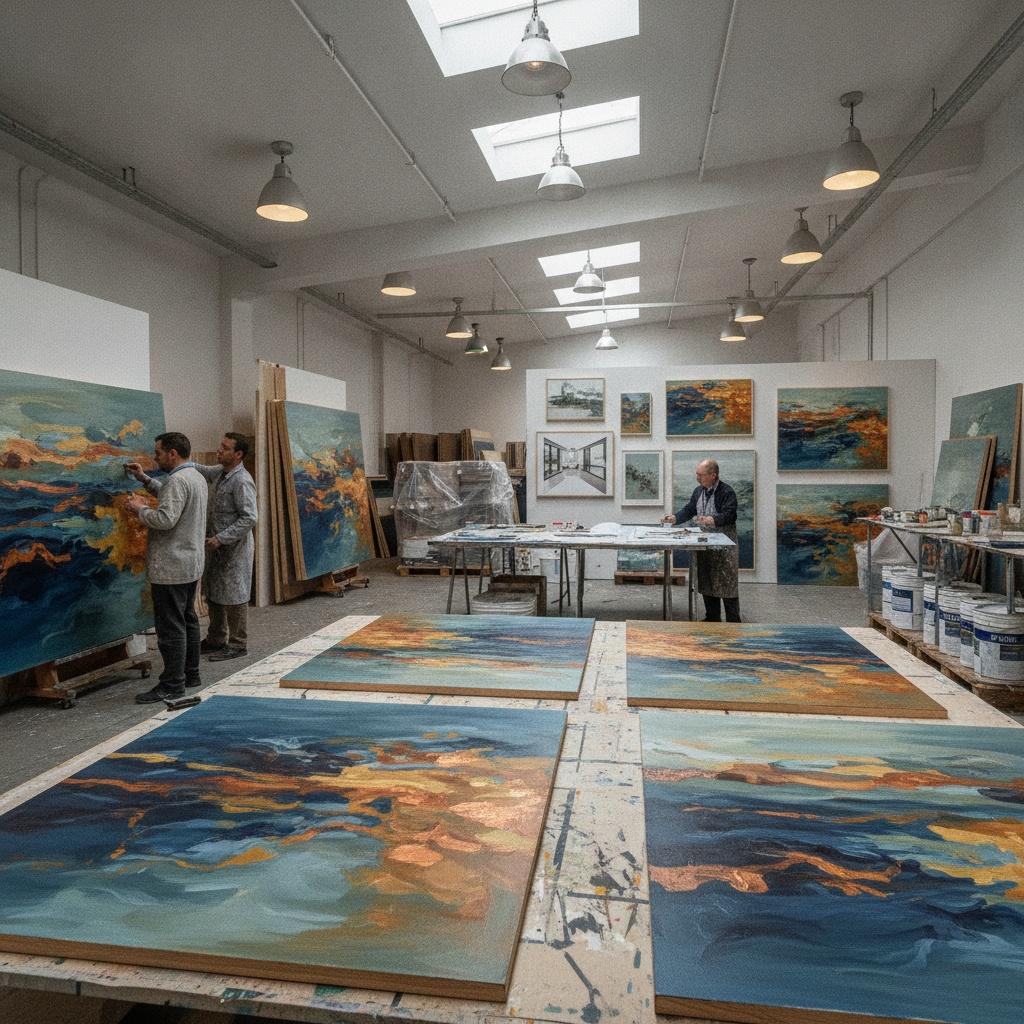
In the demanding landscape of hospitality design, where the aesthetic integrity of a lobby or corridor must withstand the relentless ebb and flow of guests, the choice of medium is as much a technical decision as an artistic one. While the flexible grace of canvas has long been celebrated, the historical precedent of oil on board offers a level of structural permanence that is indispensable for high-traffic environments. Long before the widespread adoption of fabric supports, the masters of the Renaissance sought stability in wood, recognizing that a rigid substrate provides a foundation that resists the subtle warping and environmental fluctuations common in large-scale architectural installations. For the procurement manager or hotel designer, this translates to an investment in longevity. The density of the board allows for a meticulous application of pigment that remains anchored, providing a steadfast presence that does not succumb to the humidity or temperature shifts inherent in global hotel operations. By selecting works on board, designers are not merely choosing a surface, but rather a resilient vessel capable of preserving the artist's intent through years of continuous public exposure.
Cost-Efficiency at Scale: Balancing Premium Aesthetics with Large-Scale Procurement Budgets
Navigating the complexities of a large-scale renovation requires a delicate equilibrium between achieving a high-end, curated atmosphere and adhering to strict budgetary constraints. This is where the medium of oil on board emerges as a strategic asset for the professional buyer. Unlike bespoke, one-of-a-kind original commissions that can strain even the most generous hospitality budgets, the ability to procure high-quality, hand-painted reproductions allows for the seamless filling of expansive walls with museum-grade aesthetics. For procurement professionals like David, who manage volume orders across multiple properties, the predictability of cost is paramount. The beauty of this medium lies in its ability to provide the profound impact of a masterwork—retaining the depth and tonal range of the Old Masters—at a price point that facilitates large-scale implementation. This efficiency does not necessitate a compromise in quality; rather, it enables a cohesive design language across entire hotel chains, ensuring that every corridor, lounge, and suite reflects a unified standard of luxury without the prohibitive costs associated with traditional fine art acquisition.
Texture and Depth: Utilizing Impasto and Rigid Supports to Enhance Interior Architectural Design
 Impasto
Impasto is a technique used in painting where paint is laid on an area of the surface thickly, usually thick enough that the brush or painting-knife strokes are visible. Paint can also be mixed right on the canvas. When dry, impasto provides texture;...
The true magic of oil on board resides in its tactile dimension, offering an architectural depth that flat prints or digital posters simply cannot replicate. When an artist employs the
impasto technique—applying paint with enough thickness to make brushstrokes and knife marks visible—the artwork begins to interact dynamically with the ambient lighting of a room. In a well-lit hotel atrium or a softly lit dining hall, these raised textures catch shadows and highlights, creating a three-dimensional sculptural effect that breathes life into the space. This physical presence is amplified by the rigid support of the board, which allows for heavy, textured layers to sit atop the surface without the risk of sagging or cracking that can plague thick paint on flexible canvas. For the designer, this provides an opportunity to use art as a structural element of the interior, where the play of light across a textured landscape or a dramatic portrait adds a layer of sensory richness, transforming a static wall into a focal point of movement and emotion.
Logistics and Implementation: Managing Bulk Orders, Custom Sizing, and Global Shipping for Hotel Renovations
For the professional managing large-scale art installations, the success of a project is often measured by the efficiency of its execution. The logistical demands of furnishing a hotel—ranging from precise sizing requirements to strict installation timelines—require a supplier that understands the rigors of commercial procurement. Managing a multi-panel series or a collection of varying dimensions across several floors necessitates a streamlined order management system. This includes the ability to request custom sizes that align with specific architectural niches and the coordination of bulk deliveries that arrive ready for mounting. The implementation process must be seamless, involving clear communication regarding production timelines, from the initial digital mockup to the final arrival via reliable global carriers like DHL or FedEx. When art is treated as a critical component of the construction and decoration workflow, the ability to track progress, approve pre-shipment photos, and ensure that every piece arrives in pristine condition becomes the cornerstone of a successful project rollout.
Maintenance and Longevity: Protecting Your Investment in Professional Art Collections
The final consideration for any long-term hospitality investment is the ease of preservation and the enduring vibrancy of the collection. A well-executed oil painting on board, finished with a protective layer of Damar varnish, serves as a shield against the atmospheric pollutants, dust, and moisture that characterize public spaces. This chemical barrier ensures that the pigments remain luminous and the whites do not succumb to yellowing over decades of service. For the hotel operator, this means reduced maintenance overhead and the preservation of the property's visual prestige. Furthermore, the inherent stability of the board support prevents the structural degradation often seen in less robust mediums. By prioritizing works that are engineered for durability—utilizing acid-free materials and professional-grade binders—designers and procurement managers can ensure that their curated collections remain as striking on the tenth anniversary of a hotel's opening as they were on the first day, securing both the aesthetic legacy and the financial value of the property’s interior assets.