Romanticism · 1820
Prometheus (William Etty, 1820)
William Etty (1787–1849) skapade Prometheus. Den är från 1820. Det tillhör Romanticism-rörelsen. Den är utförd i Oil. Måtten är 71 × 78 cm.
- 1820
- Oil
- 71 × 78 cm

 Förhandsvisa

 Handmålad oljemålning
 Skicka
 Dela
 Faktablad


 Ladda ner
 Liknande objekt
 Röntgen
 Bildspel
 Frågor och svar

 Statistik
Prometheus i korthet
- Titel
- Prometheus
- Konstnär
- William Etty (1787–1849)
- Konstnär född i
- York, Storbritannien
- Datum
- 1820
- Material
- Oil
- Mått
- 71 × 78 cm
- Rörelse
- Romanticism
- Tidsperiod
- 19th Century
- Motiv
- prometheus, mythology, nude, classical myth, suffering, manhood
Vad föreställer Prometheus?
The Agony and the Flame: Reimagining a Mythic Torment
In the visceral masterpiece Prometheus, painted in 1820, William Etty invites us into a scene of profound mythological suffering and raw human vulnerability. The canvas captures the Titan at his most precarious moment, bound to the unforgiving stone as a consequence of his defiance against the gods. There is an immediate, jarring intensity to the composition; the figure lies sprawled across the earth, his body a landscape of tension and physical trauma. Etty does not shy away from the grotesque or the harrowing details of the myth, presenting a subject that is simultaneously heroic and broken. The presence of the bow and arrow piercing the flesh serves as a brutal reminder of the divine retribution being visited upon him, creating a narrative of sacrifice that resonates far beyond the borders of ancient Greek lore.
The technique employed by Etty reveals his status as a pioneer of the British nude, utilizing a mastery of light and shadow to sculpt the musculature of the protagonist. The flesh tones are rendered with a remarkable sensitivity, capturing the flush of pain and the pallor of exhaustion. Through fluid brushwork and a sophisticated understanding of anatomical form, Etty breathes life into the inanimate rock and the surrounding atmosphere. The interplay between the stark, rugged background and the soft, vulnerable curves of the human form creates a dramatic chiaroscuro effect that draws the eye directly to the center of the struggle. This mastery of texture—from the cold hardness of the stone to the warmth of the skin—makes the piece an extraordinary specimen of early 19th-century Romanticism.
A Symphony of Symbolism and Emotional Depth
Beyond the immediate shock of the imagery, Prometheus functions as a profound meditation on the cost of knowledge and the spirit of rebellion. To the discerning collector, the painting offers more than just a depiction of myth; it is an exploration of the human condition under duress. The isolation of the figure, set against a landscape that feels both vast and claustrophobic, symbolizes the lonely burden of those who dare to challenge established powers. Every element, from the positioning of the limbs to the distant, watchful presence of another figure, contributes to a sense of inescapable fate. It is a work that demands emotional engagement, pulling the viewer into a state of empathy for the Titan’s eternal struggle.
For interior designers and connoisseurs of fine art, this reproduction offers a commanding presence capable of anchoring a room with its historical weight and dramatic flair. The painting's rich palette and intense subject matter make it an ideal centerpiece for collections that value narrative depth and classical grandeur. Whether placed in a study filled with leather-bound volumes or a contemporary gallery space, the work serves as a conversation piece that bridges the gap between the ancient past and the modern aesthetic. Owning a high-quality reproduction of this Etty masterpiece allows one to preserve a fragment of Romantic history, bringing the timeless tension of Prometheus's sacrifice into the intimate setting of a private home.
Högupplösta bilder av Prometheus

Allmän egendom: konstnären avled 1849.
Andra storlekar, beskärningar och citering →William Etty, Prometheus (1820). Allmän egendom
Frågor om Prometheus besvarade
Vilket år skapades "Prometheus" av William Etty?
"Prometheus" dateras till 1820. Datumet placerar verket inom William Ettys karriär och dess epok.
Vilken teknik användes för "Prometheus" av William Etty?
"Prometheus" av William Etty är utförd i Oil. Reproduktionerna strävar efter att återge teknikens särpräglade utseende.
Vilka är måtten på originalet av "Prometheus" av William Etty?
"Prometheus" mäter 71 x 78 cm i sin originalform. Originalmåtten är en bra referens när du väljer storlek på en reproduktion.
Vad föreställer "Prometheus"?
Teman som återfinns i "Prometheus" av William Etty inkluderar prometheus, mythology, nude, classical myth, suffering, manhood, greek mythology. Tillsammans sammanfattar de verkets motiv.
Är "Prometheus" fri från upphovsrätt?
När det gäller upphovsrätt är "Prometheus" allmän egendom – upphovsrätten har löpt ut.
Vilken konstnär tillskrivs "Prometheus"?
"Prometheus" skapades av William Etty. Informationen på denna sida beskriver William Ettys originalverk.
Vilken konststil tillhör "Prometheus" av William Etty?
"Prometheus" av William Etty tillhör Romanticism-rörelsen. Denna rörelse ger det stilistiska sammanhanget för verket.
Vilken fas av William Ettys konstnärliga utveckling representerar "Prometheus"?
Inom William Ettys karriär tillhör "Prometheus" perioden Early Period. Denna fas underlättar jämförelser med konstnärens övriga verk.
Hur gammal var William Etty när "Prometheus" skapades?
William Etty var 33 år gammal när hen skapade "Prometheus" år 1820. Åldern är beräknad utifrån konstnärens födelseår, 1787.
Om konstnären, William Etty

1787–1849, Storbritannien
William Etty
William Ettys tidiga liv och skolning För att förstå den tekniska precisionen hos William Etty måste man blicka bortom kontroverserna kring hans senare motiv och istället betrakta hans disciplinerade och nästan mekaniska början. Han föddes den 10 mars 1787 i York, Storbritannien, som det sjunde barnet till Matthew och Esther Etty. Hans väg mot den fina konsten var varken omedelbar eller intuitiv; snarare smiddes den genom ett hantverks strikta struktur. Vid elva års ålder, den 8 oktober 1798, togs han som lärling hos en tryckare i Hull.
Andra verk av William Etty
 Sirenerna och Ulysses
 Candaules, kung av Lydia, visar sin hustru i smyg för Gyges, en av hans ministrar, när hon går till sängs1830
 Den Grekiska Slaven1812
 Venus och Cupid
Essäer om Prometheus
 Echoes of Anguish: Exploring the Depths of Human Sorrow in Fine ArtExplore the profound history of grief through Baroque and Post-Impressionist masters. Discover the emotional depth of art today.
 Unveiling the Dreamer: The 25 Most Iconic Masterpieces by Gustave MoreauStep into the mystical world of Gustave Moreau. Explore 25 iconic Symbolist masterpieces, from mythic tales to ethereal dreamscapes. Find i…
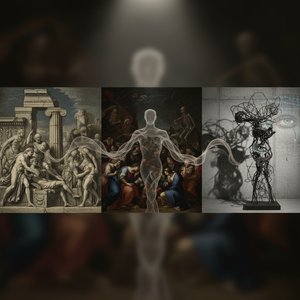 Echoes of Anguish: Representing Human Suffering in Art Across Historical ContextsExplore the powerful history of representing human suffering in art. From ancient myths to modern masterpieces, discover how artists have c…