 Visa i rummet
 Skicka
 Dela
Dela
 Detaljer

 Ladda ner
 Liknande objekt
 Röntgen
 Bildspel
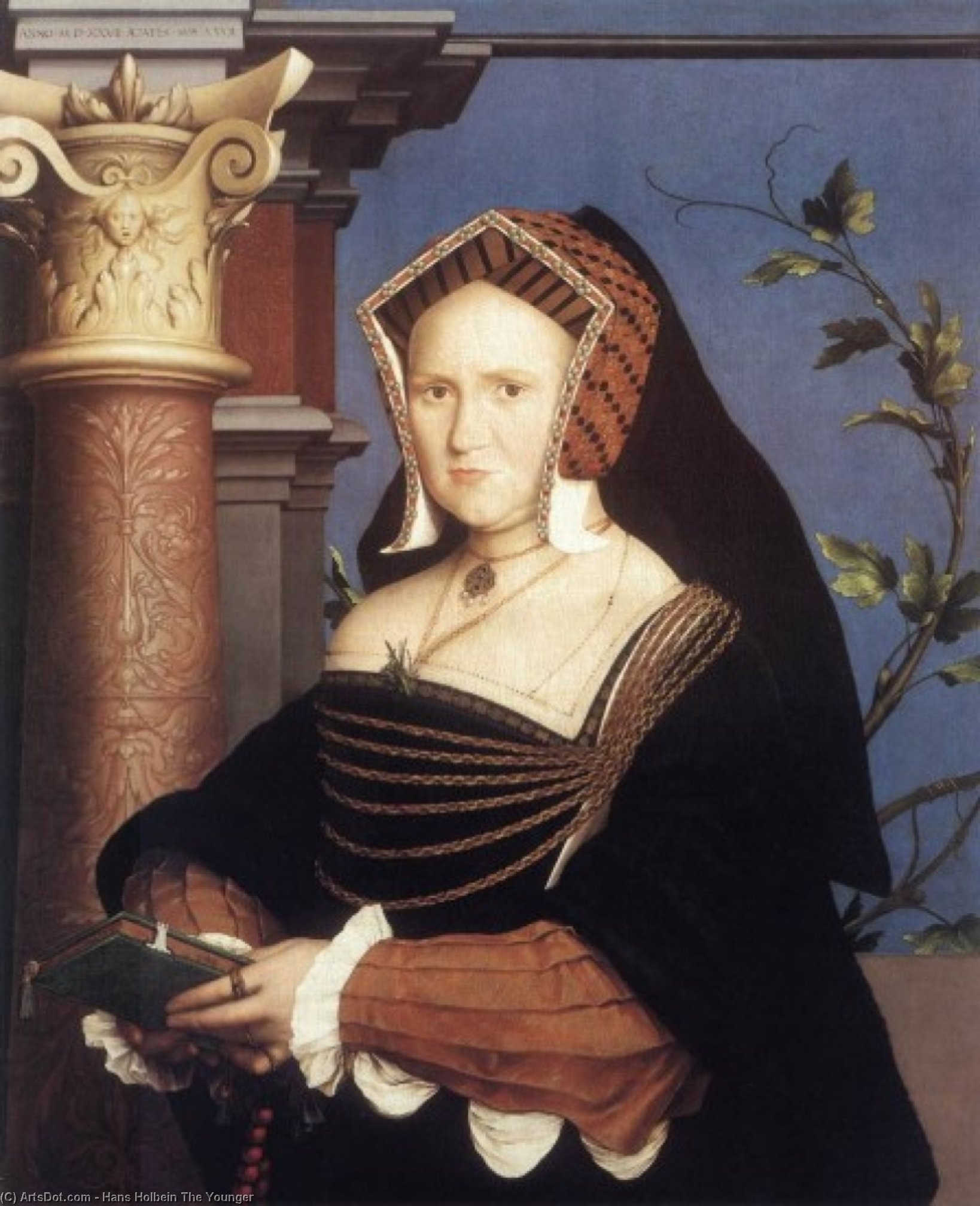
Porträtt av Lady Mary Guildford


 Läs mer
Handgjord oljereproduktion
Handmålad olja på duk i din valda storlek och ram, tillverkad efter beställning av våra konstnärer. ( Beställ tryck Byt till bild)




P118B $10

P118H $10

P118W $10

P438Z $10

P508JH $12

P508YH $12

P805H $10

P805Z $10

P919BZ $10

P919G $10

P919XJ $10

P959ZH $10

P968JZ $12

W106C $8

W218G $10

W218JH $8

W218Y $10

W307PJ $10

W316G $10

W316PJ $8

W316Y $10

W398PJ $8

W4111J $10

W500HY $15

W500JH $15

W692G $12

W849H $8

W940BG $15

W953PJ $8




Välj bland våra förinställda storlekar som motsvarar konstverkets ursprungliga proportioner.

Du kan ange egna mått för att passa en specifik ram eller yta. Om den valda storleken inte matchar originalbildens proportioner kommer vi antingen att beskära konstverket eller utöka målningen med ytterligare handmålade element. En digital skiss skickas till dig för godkännande innan produktionen påbörjas.
Observera att förhandsvisningen på skärmen inte återspeglar den faktiska beskärningen eller utökningen. Endast skissen visar den slutgiltiga kompositionen korrekt.
Även om anpassade storlekar är möjliga, rekommenderar vi att du väljer en dimension från den fördefinierade listan för att bevara originalproportionerna.
Efter beställning kommer OriginalUniqueArt.com team att mejla kunden för instruktioner och tillhandahålla en skissförhandsvisning
Leverans över hela världen () på 3–4 veckor istället för standard 5 veckor. (7 augusti). Inga kompromisser med kvaliteten.

Fri expressfrakt över hela världen

Högkvalitativ linnecanvas

Fullständig fraktförsäkring

Garantier för återbetalning av tullavgifter

Garantier för exakt färgåtergivning

60 dagars returrätt (endast vid fabrikationsfel)

100% pengarna tillbaka-garanti

Mängdrabatt erbjuds
 Glasalternativet är endast tillgängligt i storlekar under 110 cm.

Porträtt av Lady Mary Guildford
Tryckteknik
Reproduktionsstorlek
-


Totalpris
$ 300
Om konstverket
Portrait of Lady Mary Guildford by HOLBEIN, Hans the Younger
Hans Holbein the Younger's "Portrait of Lady Mary Guildford" is more than just a painting; it’s a meticulously crafted window into the opulent world of 16th-century England. Completed around 1527, this oil on oak panel captures not merely the likeness of a noblewoman but also her status, piety, and the subtle power she wielded within the court of Henry VIII. The painting resides today in the Saint Louis Art Museum, a testament to its enduring beauty and historical significance, and it’s a work that continues to fascinate art historians and collectors alike.
Holbein, a German artist who spent much of his career in England, was renowned for his ability to render human form with astonishing realism and psychological depth. He moved beyond simple likenesses, striving instead to capture the very essence of his subjects – their character, mood, and social standing. In “Portrait of Lady Mary Guildford,” this ambition is brilliantly realized. The subject, Lady Mary Wotton, wife of Sir Henry Guildford, a prominent courtier, is presented with an almost regal composure. Her gaze meets the viewer directly, inviting engagement and revealing a quiet strength.
The painting’s composition immediately draws attention to several key elements. Lady Mary wears a dark, richly draped gown, indicative of her elevated social position. The ruffled collar, a fashionable detail of the era, adds a touch of elegance and sophistication. Noticeably, she holds a book and a rosary – symbols deeply rooted in Christian piety, suggesting a devout nature. However, it’s not merely religious devotion that defines her; there's an underlying sense of self-assurance, a subtle defiance conveyed through her posture and the directness of her gaze. The background, featuring two classical columns and a vase, creates a sense of depth and grandeur, further emphasizing Lady Mary’s importance within the scene.
The Northern Renaissance Style: Precision and Psychological Insight
“Portrait of Lady Mary Guildford” is firmly rooted in the Northern Renaissance style, a movement characterized by its emphasis on realism, meticulous detail, and psychological observation. Unlike the idealized representations prevalent in Italian Renaissance art, Holbein’s work prioritized accuracy and a profound understanding of human anatomy and expression. He employed a technique known as *sfumato*, subtly blurring lines and softening edges to create an illusion of depth and volume – particularly evident in the folds of her gown and the delicate rendering of her hands.
Holbein’s mastery of light and shadow is equally remarkable. The painting is bathed in a soft, diffused light that highlights Lady Mary's features and creates a sense of intimacy. He skillfully uses chiaroscuro – the dramatic contrast between light and dark – to sculpt her form and draw attention to key details, such as the texture of her dress and the expression on her face. This careful manipulation of light not only enhances the visual impact of the painting but also contributes to its overall emotional resonance.
A Window into Tudor Court Life
“Portrait of Lady Mary Guildford” offers a valuable glimpse into the social and cultural landscape of Tudor England. The portrait reflects the importance of patronage – wealthy individuals like Sir Henry Guildford commissioned artists to create works that would enhance their status and demonstrate their wealth and influence. The lavish setting, with its classical columns and ornate vase, speaks volumes about the court’s appreciation for luxury and refinement.
Interestingly, this particular portrait is a copy of another painting by Holbein, which resides in the Royal Collection at Windsor Castle. The slight variations between the two versions suggest that it was likely produced in Holbein’s workshop during his time in England, highlighting the artist’s influence and the dissemination of his style. The existence of both paintings allows art historians to study Holbein’s techniques and understand how his work evolved over time.
Reproductions: Bringing a Masterpiece Home
OriginalUniqueArt.com is proud to offer meticulously crafted hand-painted oil painting reproductions of “Portrait of Lady Mary Guildford.” Our skilled artists replicate Holbein’s masterful technique, using the finest materials to ensure that each reproduction captures the essence and beauty of the original. We understand that owning a piece of art history is a significant investment, which is why we offer a range of sizes and customization options to suit your individual needs and budget.
Whether you’re an art enthusiast, a collector seeking to expand your collection, or simply someone who appreciates exquisite craftsmanship, a reproduction of “Portrait of Lady Mary Guildford” will be a stunning addition to your home or office. It's a timeless masterpiece that continues to captivate viewers with its grace, power, and enduring beauty. Explore our selection today and bring a piece of Tudor history into your life.
Om konstnären
A Life Etched in Detail: The World of Hans Holbein the Younger
Hans Holbein the Younger (1497/8 – 1543) was a German-Swiss painter and printmaker who worked in the Northern Renaissance—a master portraitist whose work continues to resonate with breathtaking realism and psychological depth. His upbringing within an artistically gifted family laid the foundation for his exceptional talent; his father, Hans Holbein the Elder, was a respected painter and printmaker who instilled in young Hans a meticulous approach to observation and technique. This early training wasn’t merely about mastering brushstrokes or mixing pigments—it was about learning to *see*, to capture not just likeness but the very essence of a subject. Holbein's initial artistic explorations occurred within his father’s workshop, where he honed his skills before embarking on a journey that would lead him through Switzerland and ultimately to the heart of the English court.From Basel to the Tudor Court: A Rising Star
Holbein’s formative years were spent in Basel, Switzerland, where he established himself as an independent artist with a burgeoning reputation. He excelled not only in portraiture but also in religious art—creating monumental murals and stained glass windows that showcased his mastery of color and composition. Perhaps most strikingly, Holbein designed the *Dance of Death* series, a macabre depiction of mortality featuring exquisitely detailed figures representing every stratum of society. These early works reveal a profound fascination with capturing human emotion and exploring themes of life and death—qualities that would permeate his entire artistic career. The influence of Italian Renaissance humanist ideals is palpable in Basel’s artistic milieu during this period, shaping Holbein's stylistic choices and broadening his intellectual horizons.The Art of Perception: Style and Masterpieces
Holbein’s distinctive style is characterized by an unparalleled commitment to realism—a pursuit achieved through painstaking attention to detail in rendering textures, fabrics, and the subtle nuances of facial expressions. He didn’t simply *paint* portraits; he meticulously constructed them, layering upon layer, capturing not just physical appearances but also the personality and inner life of his sitters. His innovative compositions further enhanced the impact of his work—often employing symbolic objects or backgrounds to convey deeper meaning. The Ambassadors (1533), arguably Holbein’s most celebrated masterpiece, exemplifies this approach—a complex and symbolically rich double portrait showcasing both Holbein’s technical brilliance and intellectual depth. The anamorphic skull subtly embedded within the painting serves as a stark *memento mori*, reminding viewers of the inevitability of death. This masterful use of perspective and detail elevates the image beyond mere representation, inviting contemplation on themes of mortality and human ambition. His portraits of Henry VIII—particularly his depiction of the king’s coronation robes—became iconic representations of royal power and solidified Holbein's reputation as one of the foremost portraitists of his time.Historical Significance: A Legacy Enduring Through Time
Holbein’s artistic journey coincided with a period of profound intellectual and religious upheaval—the Reformation—and he skillfully utilized his art to convey messages of faith and authority. His depictions of Erasmus of Rotterdam capture the humanist scholar's erudition and moral integrity, reflecting the values of the Renaissance humanism movement. Furthermore, Holbein’s meticulous documentation of historical events—such as Henry VIII’s reign—provides invaluable insights into the political landscape and cultural sensibilities of Tudor England. He remains one of the most admired and studied painters of the Renaissance—a master whose legacy continues to inspire artists today. His work transcends mere technical skill; it embodies intellectual curiosity, artistic innovation, and a profound understanding of the human condition—qualities that cemented his place as a cornerstone of Northern Renaissance art history. He didn't merely record appearances—he captured moments in time, preserving them for posterity.
Hans Holbein den yngre
1497 - 1543 , Tyskland
Snabbfakta
- Artistic Movement Or Style: Nordländska renässansen
- Artists Or Movements Influenced By This Artist: ['Later portrait artists']
- Artists Who Influenced This Artist: ['Albrecht Dürer']
- Date Of Birth: c. 1497
- Full Name: Hans Holbein den Yngre
- Nationality: Tysk
- Notable Artworks:
- Ambrosius Holbein
- Nikolaus Kratzer
- The Ambassadors
- Place Of Birth: Augsburg, Germany
Relaterade artiklar
Turn Family Photos into Masterpiece Oil Portraits: The Art of Timeless Legacy
Transform cherished family memories into timeless legacies with bespoke, hand-painted oil portraits. Our master artists reimagine your photos as museum-quality masterpieces, offering unparalleled craftsmanship and elegance for the discerning collector.