
 Visa i rummet
 Skicka
 Dela
Dela
 Detaljer
 Studentguide för konstverk

 Ladda ner
 Liknande objekt
 Röntgen
 Bildspel
 Besökstatistik
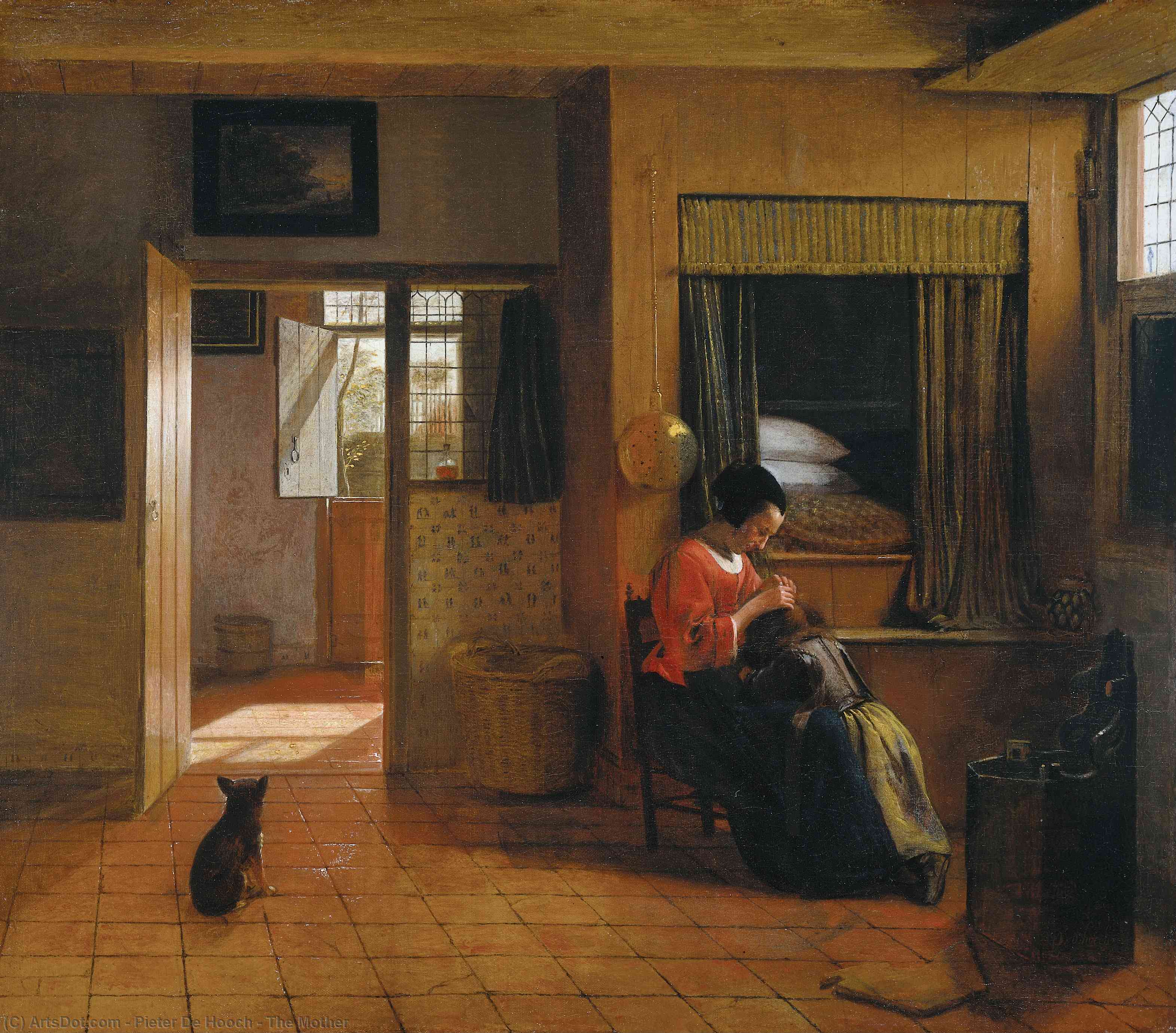
The Mother
 Oil On Canvas
- WallArt
- Dutch Golden Age
 1660
1660- Early Modern
 52.0 x 61.0 cm
 Rijksmuseum
 Läs mer
Handgjord oljereproduktion
Handmålad olja på duk i din valda storlek och ram, tillverkad efter beställning av våra konstnärer. ( Byt till tryckta exemplar Byt till digital bildförsäljning)




P118B $10

P118H $10

P118W $10

P438Z $10

P508JH $12

P508YH $12

P805H $10

P805Z $10

P919BZ $10

P919G $10

P919XJ $10

P959ZH $10

P968JZ $12

W106C $8

W218G $10

W218JH $8

W218Y $10

W307PJ $10

W316G $10

W316PJ $8

W316Y $10

W398PJ $8

W4111J $10

W500HY $15

W500JH $15

W692G $12

W849H $8

W940BG $15

W953PJ $8




Välj bland våra förinställda storlekar som motsvarar konstverkets ursprungliga proportioner.

Du kan ange egna mått för att passa en specifik ram eller yta. Om den valda storleken inte matchar originalbildens proportioner kommer vi antingen att beskära konstverket eller utöka målningen med ytterligare handmålade element. En digital skiss skickas till dig för godkännande innan produktionen påbörjas.
Observera att förhandsvisningen på skärmen inte återspeglar den faktiska beskärningen eller utökningen. Endast skissen visar den slutgiltiga kompositionen korrekt.
Även om anpassade storlekar är möjliga, rekommenderar vi att du väljer en dimension från den fördefinierade listan för att bevara originalproportionerna.
Efter beställning kommer OriginalUniqueArt.com team att mejla kunden för instruktioner och tillhandahålla en skissförhandsvisning
Leverans över hela världen () på 3–4 veckor istället för standard 5 veckor. (25 september). Inga kompromisser med kvaliteten.

Fri expressfrakt över hela världen

Högkvalitativ linnecanvas

Fullständig fraktförsäkring

Garantier för återbetalning av tullavgifter

Garantier för exakt färgåtergivning

100 dagars returrätt vid fabrikationsfel

100% pengarna tillbaka-garanti

Mängdrabatt erbjuds
 Glasalternativet är endast tillgängligt i storlekar under 110 cm.

The Mother
Tryckteknik
Reproduktionsstorlek
-


Totalpris
$ 300
A Window Into Domestic Tranquility
Pieter de Hooch's “The Mother” (circa 1660) stands as a quintessential emblem of Dutch Golden Age artistry—a serene tableau that transcends mere representation to embody the very values and sensibilities of its era. Captured on canvas with meticulous detail, this painting transports viewers into a softly lit bedroom interior where a woman diligently attends to her child’s care. More than just a portrait, it is an exploration of motherhood, quiet contemplation, and the subtle beauty found within everyday domestic life. The scene unfolds as a tender moment of intimacy, inviting the observer to step into a world where time seems to slow, and the frantic pace of the outside world is replaced by the rhythmic, peaceful motions of household devotion.
The composition is masterfully orchestrated to guide the eye through a narrative of light and shadow. De Hooch employs a pyramidal structure, a classical technique that provides stability to the scene while directing our gaze upward toward the window. This window serves as the painting's soul, acting as a crucial element in establishing a luminous, ethereal quality. Through its frame, natural light pours into the room, illuminating the textures of the space—from the delicate thread held by the mother to the smooth surfaces of the furniture. The artist’s use of chiaroscuro—the dramatic interplay between light and dark—sculpts the forms within the room, imbuing the simple act of sewing or tending to a child with an almost sacred emotional resonance.
The Artistry of the Dutch Golden Age
To understand the brilliance of “The Mother,” one must look at the technical mastery De Hooch brought to the genre of kamergezichten, or room-views. His style is characterized by a profound attention to detail and a naturalism that makes the atmosphere feel palpable. The brushstrokes are delicately blended to create soft shadows and highlights, enhancing the sense of depth and conveying an impression of stillness. Every element in the room—the presence of a cat resting near the woman, the placement of books in the corner, and the subtle glint of light on a ceramic bowl—is rendered with a precision that celebrates the material reality of seventeenth-century Holland.
This technical prowess was not merely for show; it served to ground the painting in a recognizable, lived-in reality. For collectors and lovers of fine art, the painting offers a masterclass in how light can be used to define space and mood. The way the sunlight interacts with the interior elements creates a sense of warmth and comfort, making the artwork not just a piece to be viewed, but an environment to be experienced. It is this ability to transform the mundane into the magnificent that makes De Hooch’s work so enduringly captivating for modern interiors.
A Reflection of Social Virtue and Stability
Beyond its aesthetic beauty, “The Mother” serves as a historical mirror, reflecting the significant social transformations occurring in the Netherlands during the mid-seventeenth century. As the Dutch middle class burgeoned, so too did a new set of values centered on family life, moral virtue, and domestic stability. De Hooch’s depiction of a woman engaged in quiet, productive work within the sanctuary of her home aligns perfectly with these cultural aspirations. The inclusion of fine details, such as the Delft blue tiles adorning the walls, speaks to the pride in Dutch craftsmanship and the burgeoning prosperity of the era.
For the discerning decorator or art enthusiast, this piece offers more than just visual elegance; it provides a sense of historical continuity and emotional depth. The painting evokes a longing for the "quiet" moments—the sanctity of the home and the dignity of daily labor. Whether placed in a sunlit study or a quiet corner of a living room, a high-quality reproduction of “The Mother” brings with it an aura of peace and a sophisticated connection to the rich heritage of the Dutch masters. It is an invitation to find beauty in the ordinary and to cherish the tranquil rhythms of life.
Om konstnären
tidigt liv och utbildning
pieter de hooch, en framstående gestalt under den nederländska guldåldern, föddes den 20 december 1629 i rotterdam, nederländerna. han var den äldste av fem barn till hendrick hendricksz de hooch, en murare, och annetge pieters, en barnmorska. lite är känt om hans tidiga år, men det antas att han verkade i rotterdam, delft och amsterdam. de hoochs konstnärliga skolning ägde rum i haarlem under landskapsmålaren nicolaes berchem, tillsammans med sin vän jacob ochchtervelt. denna period lade grunden för hans framtida framgång som målare av stillsamma hemscener med öppna dörrpartier som bjuder in betraktaren.konstnärlig stil och teman
de hoochs skapelser kännetecknas av en fängslande detaljrikedom, naturalism och ett mästerligt utnyttjande av ljuset. hans målningar fångade ofta vardagslivet och speglade de värderingar och ambitioner som fanns hos den framväxande medelklassen. ett anmärkningsvärt exempel på denna stil är "gården till ett hus i delft" (1658), som uppvisar hans förmåga att fånga vardagens mest anspråkslösa detaljer. de hoochs verk delar även teman och kompositioner med emanuel de witte, men hans fokus på människorna och deras inbördes relationer gör honom unik. detta blir särskilt tydligt i verk som "kvinna som ammar" (1658) och "kvinna med ett spädbarn i knät" (1658), vilka vittnar om hans djupa intresse för det intima hemmalivet.noterbara verk och arv
några av de hoochs mest betydelsefulla verk inkluderar:- "den glade drickaren" (ca 1650)
- "kortspelare i ett solbelyst rum" (1658)
- "en kvinna som förbereder bröd och smör åt en pojke" (1661)
museer och samlingar
de hoochs verk kan finnas på olika museer, däribland koninklijk museum voor schone kunsten i antwerpen, belgien, som rymmer en omfattande samling av europeisk konst från 15:e till 20:e århundradet. upptäck mer om pieter de hooch och hans verk på OriginalUniqueArt: [https://OriginalUniqueArt.com/@/pieter-de-hooch](https://OriginalUniqueArt.com/@/pieter-de-hooch) /sv/art/show/art-d3b4kt-sv/ (upptäck mästerverken från koninklijk museum voor schone kunsten, belgien)
Pieter de Hooch
1629 - 1694 , Nederländerna
Snabbfakta
- Artistic Movement Or Style: Delfts skola
- Artists Or Movements Influenced By This Artist: ['Jan Vermeer']
- Artists Who Influenced This Artist:
- Nicolaes Berchem
- Hendrik Sorgh
- Date Of Birth: 1629-12-20
- Full Name: Pieter Hendricksz de Hooch
- Nationality: Nederländska
- Notable Artworks:
- Kortgård i Delft
- Kvinnan som ammalar barn
- Place Of Birth: Rotterdam, Netherlands
Relaterade artiklar

Illuminating Innovation: Exploring the Dutch Golden Age of Painting
Explore the Dutch Golden Age of painting with OriginalUniqueArt. Discover Rembrandt, Vermeer & other Masters. Learn about key characteristics, iconic artworks, and lasting influence. Expert insights for collectors & enthusiasts.
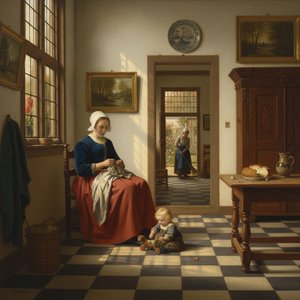
Pieter de Hooch: Illuminating Dutch Domestic Life & Golden Age Charm
Explore the captivating world of Pieter de Hooch, a master of Dutch Golden Age painting. Discover his innovative use of light, intimate domestic scenes, and lasting influence on art history. Learn more at OriginalUniqueArt.
Illuminating Realism: Exploring the Dutch Golden Age of Painting (1600-1700)
Explore the Dutch Golden Age of painting (1600-1700) with OriginalUniqueArt. Discover Rembrandt, Vermeer & other masters. Learn about techniques, history & find museum-quality reproductions.

Nederländsk Guldålder: Topp 10 mästerverk som definierade epoken – konst & heminredning
Utforska de 10 ikoniska mästerverken från den nederländska guldåldern! Lär känna Rembrandt, Vermeer och Hals – deras teknik & berättelser. Hitta konsttryck och inspiration för din heminredning på OriginalUniqueArt.com. Upptäck hela samlingen online!

Golden Age Reflections: Dutch Baroque Painting & Cultural Innovation
Explore the Dutch Golden Age of painting! Discover key artists like Vermeer & ter Borch, their innovative techniques, and the rich cultural context behind these Baroque masterpieces. Learn about collecting & appreciating this iconic art period.

