Baroque · 1592
Pan (Annibale Carracci, 1592)
Annibale Carracci (1560–1609) skapade Pan. Den är från 1592. Det tillhör Baroque-rörelsen. Den är utförd i Oil On Canvas. Verket finns bevarat på National Gallery of Victoria i Melbourne, Australien. Måtten är 109 × 135 cm.
- 1592
- Oil On Canvas
- 109 × 135 cm
- National Gallery of Victoria, Melbourne

 Förhandsvisa

 Handmålad oljemålning
 Skicka
 Dela
 Faktablad för elever


 Ladda ner
 Liknande objekt
 Röntgen
 Bildspel
 Frågor och svar

 Statistik
Pan i korthet
- Titel
- Pan
- Konstnär
- Annibale Carracci (1560–1609)
- Konstnär född i
- Bologna, Italien
- Datum
- 1592
- Material
- Oil On Canvas
- Mått
- 109 × 135 cm
- Utställningsplats
- National Gallery of Victoria, Melbourne, Australien
- Rörelse
- Baroque
- Motiv
- pan, greek god, mythology, carracci, foreshortening, renaissance
Vad föreställer Pan?
A Vision of Rustic Divinity: Annibale Carracci’s Pan
Annibale Carracci's "Pan," painted circa 1592, is not merely a depiction of the Greek god; it’s an embodiment of primal nature, a vibrant assertion of earthly delight rendered with breathtaking technical skill and imbued with the burgeoning spirit of the Bolognese school. This painting transcends simple portraiture, offering instead a glimpse into a world teeming with instinct, fertility, and the intoxicating allure of the wild. Commissioned by Cesare d'Este for his opulent Palazzo dei Diamanti in Ferrara – a palace itself reflecting the lavish tastes of the Renaissance court – “Pan” was intended to be part of a larger decorative scheme, a carefully orchestrated symphony of classical mythology designed to evoke grandeur and celebrate the power of the Este family.
Carracci’s genius lies in his masterful manipulation of perspective and color. The scene unfolds with a dramatic *di sotto in sù* foreshortening – a technique borrowed from earlier Renaissance masters but perfected by Carracci – that draws the viewer into the god's immediate presence. Pan, seated atop a ram or goat (the animal’s identity deliberately ambiguous), is presented not as an imposing deity, but as a youthful, almost mischievous figure. His pose is relaxed, his expression playful, and his limbs are rendered with a remarkable sense of naturalism that distinguishes this work from the more idealized depictions prevalent at the time. The rich palette – dominated by earthy reds, ochres, and greens – creates a tactile quality, inviting the viewer to almost feel the warmth of the Italian sun on Pan’s skin and the rough texture of his attire.
The Language of Symbolism
Pan, in Greek mythology, is the god of shepherds, flocks, wild animals, music, and revelry. He embodies the untamed spirit of nature, a force both alluring and potentially dangerous. Carracci’s portrayal captures this duality perfectly. The ram or goat beneath Pan isn't simply an animal; it represents fertility, abundance, and the cyclical rhythms of life and death – essential themes within the context of the Renaissance fascination with classical antiquity. The inclusion of the pipe, a traditional instrument associated with Pan, further reinforces his role as the patron of music and dance, suggesting a celebration of earthly pleasures.
Notably, the presence of the book or scroll in Pan’s hand hints at a deeper layer of meaning. While often depicted as a wild god, Pan was also associated with prophecy and knowledge – a connection that aligns with the intellectual climate of Renaissance Italy. The object could represent his ability to interpret the signs of nature, offering a glimpse into the mysteries of the world.
A Bridge Between Eras
“Pan” stands as a pivotal work in the transition from the High Renaissance to the Baroque period. Carracci’s embrace of naturalism and dramatic perspective – hallmarks of the Bolognese school – paved the way for the heightened emotional intensity and dynamic compositions that would characterize the Baroque style. His meticulous attention to detail, combined with his innovative use of *di sotto in sù* foreshortening, demonstrates a profound understanding of both classical principles and contemporary artistic trends. The painting’s placement within a larger decorative scheme further highlights its significance as a key element in the revival of classical art during the late 16th century.
A Timeless Appeal
More than four centuries after its creation, “Pan” continues to captivate viewers with its vibrant energy and evocative imagery. It’s a painting that speaks to our enduring fascination with nature, mythology, and the primal instincts that lie at the heart of human experience. Reproductions of this masterpiece offer an opportunity to bring this extraordinary vision into any setting, adding a touch of rustic divinity and timeless beauty to your home or office.
Vilket museum har Pan?
National Gallery of Victoria
Melbourne, Australien
Ursprung och historia för National Gallery of Victoria National Gallery of Victoria grundades år 1861, under en tid då guldrushen förvandlade kolonin genom en period av explosiv tillväxt och föränderlig energi. Institutionen tog sin början som ett anspråkslöst arkiv för gipsavgjutningar, en tanke som syftade till att skapa en bro till de etablerade konstnärliga traditionerna i Europa. Denna första samling var ett pragmatiskt svar på koloniala strävanden, där man sökte kulturell jämbördighet med de gamla, etablerade världsmakterna.


Högupplösta bilder av Pan

Allmän egendom: konstnären avled 1609.
Andra storlekar, beskärningar och källhänvisningar →Annibale Carracci, Pan (1592), National Gallery of Victoria. Allmän egendom
Frågor om Pan besvarade
Var kan man se "Pan" av Annibale Carracci utställd idag?
Originalet av "Pan" av Annibale Carracci finns på National Gallery of Victoria, Melbourne, Australien. En reproduktion gör det möjligt att visa verket i hemmet.
När skapades "Pan"?
"Pan" av Annibale Carracci skapades år 1592.
Vilken teknik användes för "Pan" av Annibale Carracci?
"Pan" av Annibale Carracci är utförd i Oil On Canvas. Reproduktionerna strävar efter att återge teknikens särpräglade utseende.
Vilka är måtten på originalet av "Pan" av Annibale Carracci?
Originalet av "Pan" av Annibale Carracci mäter 109 x 135 cm.
Vad föreställer "Pan"?
Motiven i "Pan" är pan, greek god, mythology, carracci, foreshortening, renaissance, baroque, deity.
Är bilden av "Pan" av Annibale Carracci fri att återge?
Upphovsrättslig status för "Pan" av Annibale Carracci: verket är allmän egendom – upphovsrätten har löpt ut. Detta avgör om reproduktioner av bilden får framställas fritt.
Vilken konstnär tillskrivs "Pan"?
"Pan" skapades av Annibale Carracci. Informationen på denna sida beskriver Annibale Carraccis originalverk.
Vilken stil tillhör "Pan"?
"Pan" är ett verk inom Baroque. Denna stilriktning anger den konstnärliga tradition som verket tillhör.
Vilken fas av Annibale Carraccis konstnärliga utveckling representerar "Pan"?
Inom Annibale Carraccis karriär tillhör "Pan" perioden Mature Period. Denna fas underlättar jämförelser med konstnärens övriga verk.
Om konstnären, Annibale Carracci
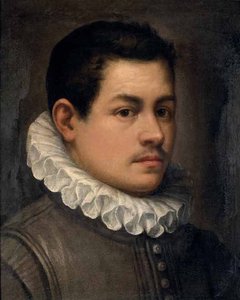
1560–1609, Italien
Annibale Carracci
Early Life and the Bolognese Roots Annibale Carracci, född den 3 november 1560 i Bologna, var en italiensk målare och grafiker vars liv och verk är djupt sammanflätade med den konstnärliga utvecklingen i hans hemstad. Hans barndom och tidiga utbildning präglades av en stark familjär tradition inom konsten – hans far var skomakare, men familjen sysslade även med målning, vilket gav Annibale en unik möjlighet att växa upp i ett miljö där konst var en integrerad del av vardagen. Det är troligt att han fick sin första träning inom familjens verkstad, där han lärde sig grunderna i tekniken och utvecklade sina färdigheter under den tidiga åldern. Bologna på 1500-talet var en dynamisk stad, ett centrum för intellektuell och konstnärlig aktivitet som samtidigt kändes något avlägsen från de dominerande strömningarna i Rom och Venedig.
Andra verk av Annibale Carracci
 Bönätaren Sun
 Herakles val
 Flodlandskap1589
 Kristi förlöjligande1596

Essäer om Pan
 The Language of Animals in Art: From Ancient Egypt to the RenaissanceExplore the profound history of animal symbolism from Egypt to the Renaissance. Trace these ancient motifs through art history now.
 Annibale Carracci: Bridging Renaissance Ideals & Baroque InnovationExplore the life & art of Annibale Carracci, a pivotal figure bridging Renaissance ideals with Baroque innovation. Discover his masterpiece…
 Divine Beauty: The 25 Most Iconic Masterpieces by Fra AngelicoJourney through the divine beauty of Fra Angelico's finest works. Explore 25 iconic Renaissance masterpieces, from ethereal frescoes to sac…