

Kulturforum: Feniks koji se uzdiže iz slomljenog srca Berlina
Izranajući iz ožiljaka ratnog Berlina, Kulturforum nije samo skupina muzeja; to je duboka manifestacija – svedočanstvo otpornosti, umetničke ambicije i neukrotivog duha grada koji se bori sa svojom prošlošću. Osmišljen još pedesetih godina prošlog veka kao namerni kontrapunkt kulturnim gubitcima izazvanim podelom i ratom, ovaj arhitektonski čudo predstavlja živopisni ekosistem u kojem se prepliću muzika, umetnost, istraživanje i istorija. Sam tlo ispod njega šapuće priče o srušenim zidovima i rađajućoj nadi, čineći posetu ovom mestu iskustvom koje prevazilazi puko razgledanje; to je putovanje kroz samu dušu Nemačke.
Srž moći Kulturforuma leži u njegovom arhitektonskom dijalogu – majstorskom razgovoru između dva titanska predstavnika modernizma: Hansa Scharouna i Ludwiga Mies van der Rohe. Scharoun nam je, svojim organskim oblicima i razigranom asimetrijom, podario kultnu Berlinsku Filharmoniju, prostor koji kao da diše muzičkom energijom, namerno izbegavajući krutu formalnost tradicionalnih koncertnih dvorana. Suprotstavite to Miesovoj Neue Nationalgalerie, kristalnoj tvrđavi od čelika i stakla, koja otelovljuje jasnoću, preciznost i gotovo uznemirujući osećaj otvorenosti – svesno odbacivanje istorijskog predloga. Ovo suprotstavljanje nije uznemirujuće; to je pažljivo orkestrirana tenzija koja odražava složeni identitet samog Berlina: grada izgrađenog na slojevima istorije, koji se neprestano razvija, a ipak je duboko ukorenjen u svojoj prošlosti.
Rastro bogatstvo umetničkog izražavanja
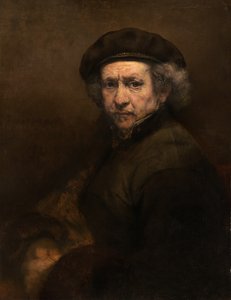
Unutar veličanstvenih zgrada Kulturforuma nalazi se neprevaziđena kolekcija umetnosti i artefakata. Gemäldegalerie (Slikovna galerija) je, bez sumnje, vrhunac ovog kompleksa, nudeći zadivljujuće hronološko putovanje kroz evropsko slikarstvo od 13. do 18. veka. Ovde ćete susresti svetlost u potezima Albrehta Dürera, dramatični intenzitet Rembrandta van Rijna i spokojnu lepotu Johanna Vermeera – umetnika čija dela zrače gotovo opipljivim osećajem vremena i prostora. Ali Gemäldegalerie je samo početak. Kunstbibliothek (Umetnička biblioteka) predstavlja naučno utočište, čuvajući preko 400.000 tomova uz opsežne kolekcije arhitektonskih crteža, modnih dizajna, fotografije i grafičke umetnosti – vitalan resurs za istraživače i svakoga ko želi da zaroni dublje u istoriju umetničkog stvaralaštva. Ovaj trijum tamamira Kunstgewerbemuseum Berlin (Muzej dekorativnih umetnosti), koji prikazuje neverovatnu raznolikom predmeta — od srednjovekovnih relikvija i zamršeno isklesane slonovine do Art Nouveau nameštaja i kultnih dizajnerskih komada 20. veka, nudeći opipljivu istoriju zanatstva, stila i kulturne evolucije.
Iza granica muzeja: Centar za interdisciplinarna istraživanja
Ono što istinski izdvaja Kulturforum je njegova izuzetna sposobnost da prevaziđe granice tradicionalnih muzejskih prostora. To nije samo kolekcija izolovanih institucija; to je dinamičan ekosistem u kojem se različiti umetnički oblici i polja studija prepliću i međusobno prodiru. Prisustvo Berlinske državne biblioteke, Iberoameričkog instituta i raznih istraživačkih centara podstiče okruženje intelektualne radoznalosti i razmene ideja. Zamislite muzikologa koji proučava arhitektonsku akustiku Filharmonije dok istovremeno ispituje uticaj baroknog ornamenta na sliku iz 17. veka – upravo je ovakvo interdisciplinarno istraživanje u srcu misije Kulturforuma. Ova jedinstvena sinergija podstiče posetioce da vide veze između naizgled nepovezanih disciplina, šireći svoje razumevanje uloge umetnosti u oblikovanju ljudskog iskustva.
Nasleđe iskovano u otpornosti
Istorija Kulturforuma neraskidivo je povezana sa padom Berlinskog zida i ponovnim ujedinjenjem Nemačke. Prvobitno osmišljen kao simbol zapadnih vrednosti unutar granica Zapadnog Berlina, on je postao moćan amblem nade i obnove nakon decenija podeljenosti. Odluka o preseljenju kolekcije starih majstora iz Gemäldegalerie u ovaj novi kompleks bila je posebno dirljiva, predstavljajući povratak kulturnom nasleđu koje je tragično izgubljeno iza Zida. Danas Kulturforum stoji kao živi spomenik neverovatnom putovanju Berlina – mesto gde se umetnost, istorija i arhitektura spajaju kako bi ispričale priču o preživljavanju, kreativnosti i, na kraju, pomirenju.
Značajne izložbe i neprolazna važnost
Kulturforum neprestano ugošćuje raznovrsne izložbe koje prikazuju kako utvrđene majstore, tako i nove talente. Nedavni vrhunci uključivali su retrospektive renomiranih fotografa, impresivne instalacije koje istražuju presek umetnosti i tehnologije, kao i provokativne postavke koje ispituju savremena društvena pitanja kroz umetničku prizmu. Posvećenost muzeja inovacijama vidljiva je u stalnim naporima da privuče nove publiku i podstakne dublje apreciiranje umetnosti. Štaviše, Kulturforum ostaje vitalni centar za istraživanje i nauku, privlačeći naučnike iz celog sveta koji su privučeni njegovim bogatim kolekcijama i dinamičnim intelektualnim okruženjem. To je više od običnog muzeja; to je živa laboratorija ideja – mesto gde prošlost oblikuje sadašnjost i inspiriše budućnost.


