
Sadržaj
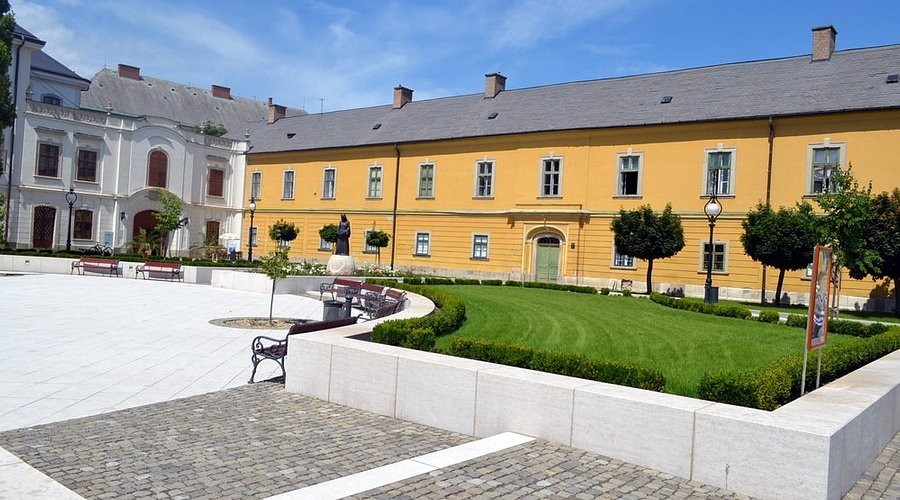
Osnovne informacije
- Works on APS: 2
- Location: Eger, Hungary
- Alternate names: Bishopric Seminary
- Featured artists: johann lucas kracker
Kviz o umetnosti
Svako pitanje ima samo jedan tačan odgovor.
Pitanje 1:
What architectural style characterizes the Bishopric Seminary's palace complex?
Pitanje 2:
The seminary’s collection prominently features artworks by which renowned artist?
Pitanje 3:
What is the primary significance of the Bishopric Seminary's history?
Pitanje 4:
The seminary’s collection includes liturgical objects used in Catholic worship. What do these items primarily represent?
Pitanje 5:
Which city is the Bishopric Seminary located in?
Umetnici u kolekciji

johann lucas kracker
Discover Johann Lucas Kracker (1719-1779), a Vienna-born Austrian painter known for his religious scenes & portraits, particularly Saint Andrew & John of Nepomuk. Explore his Baroque style!

Povezani članci

Уметност као архитектура: Прилагођене слике и просторни идентитет ентеријера
Претворите ваш дом у оазу стила! Савети стручњака за избор и интеграцију слика, квалитетне репродукције и прилагођене слике. Уметност као архитектура ентеријера – OriginalUniqueArt.
The Enduring Legacy of Architecture in Art: A Historical Survey of Representation & Meaning
Explore the rich history of architecture in art, from Renaissance theory to 19th-century reconstructions. Discover key artists & movements shaping visual representation – a guide for discerning collectors.
The Golden Age Reforged: Dramatic Realism & Religious Zeal in Spanish Baroque Art
Explore the dramatic world of Spanish Baroque art! Discover masters like Zurbarán & the powerful influence of religious zeal on painting techniques – a guide for collectors and enthusiasts.
Spisak umetničkih dela
Nema pronađenih umetničkih dela.


Pretplatite se na naš bilten
Budite u toku sa najnovijim vestima o umetnosti, ekskluzivnim ponudama i idejama za dekoraciju.
Dobijte 3 besplatna predloga umetničkih dela
Recite nam o vašem projektu i naši stručnjaci za umetnost će vam pružiti 3 personalizovana predloga umetničkih dela.
Not Sure Where to Start?
Let Us Curate 3 Options Just for You - Free!