Portret Вит Ствош

35 najpoznatijih slika umetnika Вит Ствош, izbor iz galerije

Ažurirano: новембар 2026 · rangirano prema našem koeficijentu popularnosti (pretrage, posete i porudžbine za svako delo) · 35 dela Вит Ствош u našem katalogu

Ukratko

Od svih originala koje je Вит Ствош ostavio, najpoznatiji je Engelsgruss of St. Lawrence Church in Nuremberg (1518), koji se nalazi u kolekciji Gradski muzeji u Nirnbergu, Nurenberg. Odmah za njima slede High Altar of St Mary (detail of the Lamentation) (1477) i High Altar of St Mary (Resurrection) (1477). Naš katalog sadrži 35 dela umetnika Вит Ствош; galerija je čuvala 35 dela koja svet najviše admira, od kojih je svako prikazano sa svojim datumom, muzejom i pričom.

1447 – 1533, Horbah Northern renaissance Najviše dela: Crkva Marijanska u Krakovu

Top 10 slika umetnika Вит Ствош: izbor galerije

1
Engelsgruss of St. Lawrence Church in Nuremberg (1518) čiji je autor Вит Ствош

Engelsgruss of St. Lawrence Church in Nuremberg

1518 · Wood · Gradski muzeji u Nirnbergu, Nurenberg

In the center of the choir of St. Lorenz Church in Nuremberg, a miracle hangs from the shadows. It is an assemblage of life-sized limewood figures, suspended by a metal chain as if caught in a moment of eternal descent. The wood carries the weight of a divine encounter, the Annunciation, frozen in the quiet tension between heaven and earth. Light catches the curves of the carving, revealing the soft…

3
High Altar of St Mary (Resurrection) (1477) čiji je autor Вит Ствош

High Altar of St Mary (Resurrection)

1477 · Wood · Crkva Marijanska u Krakovu, Krakov

To stand before the High Altar of St Mary is to witness a moment where the earthly and the divine collide in a breathtaking display of late Gothic mastery. Carved between 1477 and 1489 by the incomparable German sculptor Wit Stwosz (also known as Veit Stoss), this monumental retable is far more than a religious relic; it is a narrative symphony rendered in wood. The altar, which resides in the…

4
High Altar of St Mary (Apostle Peter and Malchus) (1477) čiji je autor Вит Ствош

High Altar of St Mary (Apostle Peter and Malchus)

To stand before the High Altar of St Mary is to witness a moment where the boundaries between the earthly and the divine dissolve into the grain of ancient wood. Created by the incomparable Wit Stwosz (also known as Veit Stoss) between 1477 and 1489, this monumental achievement in Kraków’s St Mary’s Basilica is far more than a religious relic; it is a breathtaking triumph of the Late Gothic Baroque…

5
High Altar of St Mary (detail) (1477) čiji je autor Вит Ствош

High Altar of St Mary (detail)

1477 · Tempera On Panel

This work is a detail from the High Altar of St Mary (detail) by Wit Stwosz. Known in Poland as Wit Stwosz, the artist created this piece around 1477. It forms part of the larger Veit Stoss Altarpiece, a significant sculptural ensemble located in St Mary's Basilica in Kraków, Poland.

7
Virgin and Child with Pomegranate (1500) čiji je autor Вит Ствош

Virgin and Child with Pomegranate

1500 · Engraving · Staatliche Graphische Sammlung, Munich

The artwork presents a monochrome depiction of the Virgin Mary holding the infant Jesus. The composition is centered around these two figures, who are positioned slightly off-center within the frame. Mary stands with her head tilted slightly downwards toward the child in her arms, her drapery flowing dynamically to add movement to the scene. The background remains largely empty, focusing all attention on the central figures. A pomegranate may be…

8
Lamentation (1500) čiji je autor Вит Ствош

Lamentation

1500 · Engraving · Szépművészeti Múzeum, Budimpešta

To look upon this work is to witness a moment of profound stillness amidst a storm of grief. The scene depicts the Lamentation, a quiet yet heavy moment where Christ lies supine in the lap of Mary. There is a certain gravity to the composition, a pyramidal structure that draws the eye downward toward the central figure of the deceased. Above them, an angel hovers, suspended in a state of…

9
Annunciation (1517) čiji je autor Вит Ствош

Annunciation

1517 · Wood · St Lorenzkirche, Nurnberg

The Annunciation by Wit Stwosz was commissioned in 1517 by Anton II Tucher. Tucher held a high-ranking official position in Nuremberg. This assemblage of life-sized limewood sculptures was completed in 1518. The work was intended to function as a devotional centerpiece for those reciting the rosary or participating in other Marian devotions.

10
Winged Altarpiece (detail) (1523) čiji je autor Вит Ствош

Winged Altarpiece (detail)

1523 · Wood · Bamberg Cathedral Museums, Bamberg

The Winged Altarpiece (detail) by Wit Stwosz presents a quiet moment of stillness. This fragment of a larger sculptural work captures a human figure in a state of profound repose. The subject appears to be a religious or allegorical figure, caught in a private instance of devotion. Every line of the face suggests a soul turned inward, away from the noise of the world and toward a silent, spiritual presence.

Izbor umetnika Вит Ствош se nastavlja, od 11 do 35

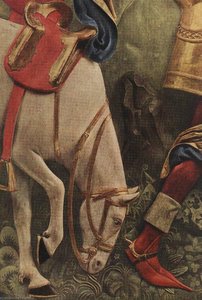
11High Altar of St Mary (Jerome) (1477) čiji je autor Вит СтвошHigh Altar of St Mary (Jerome)1477 · Crkva Marijanska u Krakovu 12Christ Child (1525) čiji je autor Вит СтвошChrist Child1525 13High Altar of St Mary (frame figure) (1477) čiji je autor Вит СтвошHigh Altar of St Mary (frame figure)1477 · Crkva Marijanska u Krakovu 14High Altar of St Mary (1477) čiji je autor Вит СтвошHigh Altar of St Mary1477 · Crkva Marijanska u Krakovu 15High Altar of St Mary (Angel with Lute) (1477) čiji je autor Вит СтвошHigh Altar of St Mary (Angel with Lute)1477 · Crkva Marijanska u Krakovu 16High Altar of St Mary (detail) (1477) čiji je autor Вит СтвошHigh Altar of St Mary (detail)1477 · Crkva Marijanska u Krakovu 17High Altar of St Mary (St Anne) (1477) čiji je autor Вит СтвошHigh Altar of St Mary (St Anne)1477 · Crkva Marijanska u Krakovu 18High Altar of St Mary (a soldier) (1477) čiji je autor Вит СтвошHigh Altar of St Mary (a soldier)1477 · Crkva Marijanska u Krakovu 19High Altar of St Mary (Apostle John) (1477) čiji je autor Вит СтвошHigh Altar of St Mary (Apostle John)1477 · Crkva Marijanska u Krakovu 20High Altar of St Mary (Pouring the Bathing Water) (1477) čiji je autor Вит СтвошHigh Altar of St Mary (Pouring the Bathing Water)1477 · Crkva Marijanska u Krakovu 21Dormition of the Virgin (1477) čiji je autor Вит СтвошDormition of the Virgin1477 · Crkva Marijanska u Krakovu 22High Altar of St Mary (detail of the Lamentation) (1477) čiji je autor Вит СтвошHigh Altar of St Mary (detail of the Lamentation)1477 · Crkva Marijanska u Krakovu 23High Altar of St Mary (a horse) (1477) čiji je autor Вит СтвошHigh Altar of St Mary (a horse)1477 · Crkva Marijanska u Krakovu 24High Altar of St Mary (detail of the Noli me tangere) (1477) čiji je autor Вит СтвошHigh Altar of St Mary (detail of the Noli me tangere)1477 · Crkva Marijanska u Krakovu 25High Altar of St Mary (head of Mary) (1477) čiji je autor Вит СтвошHigh Altar of St Mary (head of Mary)1477 · Crkva Marijanska u Krakovu 26High Altar of St Mary (Doctors) (1477) čiji je autor Вит СтвошHigh Altar of St Mary (Doctors)1477 · Crkva Marijanska u Krakovu 27Mary and the Child (1500) čiji je autor Вит СтвошMary and the Child1500 · Victoria and Albert Museum 28Annunciation (detail) (1517) čiji je autor Вит СтвошAnnunciation (detail)1517 · St. Lorenz 29Young Tobias (1516) čiji je autor Вит СтвошYoung Tobias1516 · Germanisches Nationalmuseum 30Annunciation (1517) čiji je autor Вит СтвошAnnunciation1517 · St Lorenzkirche 31Tobias and the Angel (1516) čiji je autor Вит СтвошTobias and the Angel1516 · Germanisches Nationalmuseum 32Saint Vitus in a cauldron of oil (1520) čiji je autor Вит СтвошSaint Vitus in a cauldron of oil1520 · Germanisches Nationalmuseum 33Antler Chandelier in the Shape of a Dragon (1522) čiji je autor Вит СтвошAntler Chandelier in the Shape of a Dragon1522 · Germanisches Nationalmuseum 34Winged Altarpiece (1523) čiji je autor Вит СтвошWinged Altarpiece1523 · Bamberg Cathedral Museums 35High Altar of St Mary (Crucifixion) (1477) čiji je autor Вит СтвошHigh Altar of St Mary (Crucifixion)1477 · Crkva Marijanska u Krakovu

Čuvena dela Вит Ствош po periodima

Motivi koji su privlačili pažnju Вит Ствош

Četiri teme koje se najčešće ponavljaju u ovim originalima, svaka sa svojim vrhunskim primerom.

Muzeji u kojima se čuvaju originalna dela umetnika Вит Ствош

8 muzeja u kojima se nalazi najviše slika sa ove stranice.

Muzeji Grad Radovi umetnika Вит Ствош Slike iz ovog spiska
Crkva Marijanska u Krakovu, KrakovCrkva Marijanska u Krakovu Krakov 20 High Altar of St Mary (detail of the Lamentation), High Altar of St Mary (Resurrection), High Altar of St Mary (Apostle Peter and Malchus)
Germanisches Nationalmuseum, NurenbergGermanisches Nationalmuseum Nurenberg 4 Young Tobias, Tobias and the Angel, Saint Vitus in a cauldron of oil
St Lorenzkirche, NurnbergSt Lorenzkirche Nurnberg 2 Annunciation, Annunciation
Bamberg Cathedral Museums, BambergBamberg Cathedral Museums Bamberg 2 Winged Altarpiece (detail), Winged Altarpiece
Gradski muzeji u Nirnbergu, NurenbergGradski muzeji u Nirnbergu Nurenberg 1 Engelsgruss of St. Lawrence Church in Nuremberg
Staatliche Graphische Sammlung, MunichStaatliche Graphische Sammlung Munich 1 Virgin and Child with Pomegranate
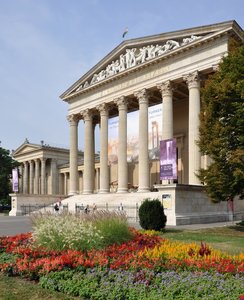
Szépművészeti Múzeum, BudimpeštaSzépművészeti Múzeum Budimpešta 1 Lamentation
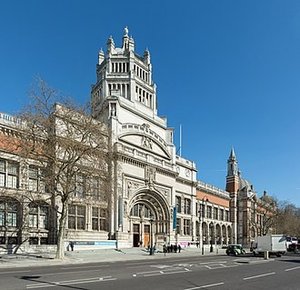
Victoria and Albert Museum, LondonVictoria and Albert Museum London 1 Mary and the Child

Вит Ствош deceniju po deceniju: original koji definiše svaku od njih

Radovi po decenijama

Izaberite deceniju da biste videli original koji je definiše.

Pitanja kolekcionara o slikama umetnika Вит Ствош

Po kojem delu je Вит Ствош najpoznatiji/a?Otkrij odgovor

Engelsgruss of St. Lawrence Church in Nuremberg (1518), Gradski muzeji u Nirnbergu, Nurenberg. Slede High Altar of St Mary (detail of the Lamentation) (1477) i High Altar of St Mary (Resurrection) (1477).

Koliko je godina imao/la Вит Ствош kada je nastalo delo Engelsgruss of St. Lawrence Church in Nuremberg?Otkrij odgovor

71 godina: Engelsgruss of St. Lawrence Church in Nuremberg datira iz 1518, a Вит Ствош je rođen/a 1447.

Koja su deset najpoznatijih slika umetnika Вит Ствош?Otkrij odgovor

Engelsgruss of St. Lawrence Church in Nuremberg, High Altar of St Mary (detail of the Lamentation), High Altar of St Mary (Resurrection), High Altar of St Mary (Apostle Peter and Malchus), High Altar of St Mary (detail), High Altar of St Mary (heads of Joachim and Anne), Virgin and Child with Pomegranate, Lamentation, Annunciation i Winged Altarpiece (detail). Gornji rang pokazuje godinu i muzej za svako od njih.

Koliko je slika ostavio Вит Ствош?Otkrij odgovor

Naš katalog sadrži 35 dela umetnika Вит Ствош, datiranih od 1477 do 1525.

U kojim muzejima se nalaze remek-dela umetnika Вит Ствош?Otkrij odgovor

Većinom u Crkva Marijanska u Krakovu (Krakov), Germanisches Nationalmuseum (Nurenberg) i St Lorenzkirche (Nurnberg). Tabela muzeja iznad sadrži njih sve.

U kojim godinama je Вит Ствош naslikao svoja najpoznatija dela?Otkrij odgovor

U 1470s: 21 od 35 dela na ovoj stranici nastalo je tada, od čega je High Altar of St Mary (detail of the Lamentation).

Koja su prva i poslednja čuvena originalna dela umetnika Вит Ствош?Otkrij odgovor

Na ovoj stranici, najstarije delo je iz High Altar of St Mary (detail of the Lamentation) (1477), a najnovije iz Christ Child (1525).

Koje je motive Вит Ствош najčešće birao/la?Otkrij odgovor

Woman (12), Sculpture (8) i Man (6), kroz svih 35 dela na ovoj stranici.

Koju je tehniku najčešće koristio/la Вит Ствош?Otkrij odgovor

Wood, za 22 od 35 dela na ovoj stranici.

Kojem umetničkom pravcu pripada Вит Ствош?Otkrij odgovor

Northern renaissance, sudeći po originalima na ovoj stranici.

Čija se dela umetnika Вит Ствош nalaze u Crkva Marijanska u Krakovu?Otkrij odgovor

High Altar of St Mary (detail of the Lamentation), High Altar of St Mary (Resurrection) i High Altar of St Mary (Apostle Peter and Malchus): Crkva Marijanska u Krakovu, Krakov čuva 20 dela sa ove stranice.

Вит Ствош: život i delo

Emocionalna drama Vita Stvoša

Stajati ispred dela Vita Stvoša, ili Veita Stoßa, znači suočiti se sa dubokim naletom ljudskih emocija zarobljenih u drvetu. Ovaj nemački majstor vajara, čiji je život obuhvatio tumultozni prelaz između kasnog gotika i uspona severne renesanse, nije samo klesao figure; on im je udahivao život. Njegovo umetničko stvaralaštvo bilo je duboko ukorenjeno u dramatičnoj žarki svog vremena, prožimajući njegova drvena dela gotovo opipljivim osećajem patosa. Iako detalji njegovog ranog učenja ostaju skriveni u magli istorije, jasno je da je od svojih formativnih godina upijao strogu disciplinu nemačke radioničke tradicije, ovladavajući tehnikama koje su mu omogućile da čvrsto drvo pretvori u posude duhovnog narativa.

Gospodstvo nad materijalom i pokretom

Stvošova tehnička briljantnost ležala je u njegovoj neprevaziđenoj sposobnosti manipulacije drvetom. Njegovo najprepoznatljivije dostignuće bilo je prikazivanje draperija—način na koji se tkanina spušta, nadima i prianjati uz formu tretira se ne kao puko pokrivanje, već kao aktivni učesnik drame koja se odvija unutar skulpture. Ovaj virtuozni stil rezbarstva naveo je istoričare umetnosti da osmisle termine poput „kasnoggotičkog baroka“, prepoznajući kako je on krute strukture ranijih stilova prožimao dinamičnom, gotovo nemirnom energijom. Njegove figure izgledaju kao da su uhvaćene u usred pokreta, dok im se odaje u vrtlogu kao da ih pokreće nevidljivi božanski vetar. Ovaj naglasak na pokretu i emocionalnom intenzitetu označava ga kao ključnu figuru čiji je rad premostio stilske epohe.

Ikonografija i trajno nasleđe

Dok je njegov uticaj prožimao umetničke tokove svog doba, možda je nemoguće govoriti o Stvošu a da se ne pomene monumentalni oltar koji se čuva u Bazilici Marijanskoj u Krakovu, u Poljskoj. Ovo delo stoji kao veličanstveni svedok njegovog genija, prikazujući narativnu složenost i emocionalnu dubinu koja je definisala njegovu karijeru. Pored ovog remek-dela, preživela dela poput Device i deteta sa Svetom Anom nastavljaju da demonstriraju njegovo duboko razumevanje sakralne ikonografije. Njegova sposobnost da religiozne teme prožme tako intenzivnim ljudskim osećanjem osigurala je da njegovo nasleđe odjekuje daleko izvan nemačkih radionica.

Most između era

Značaj Vita Stvoša ne može se preuveličati; bio je to umetnik koji je navigirao kroz period ogromnih kulturnih previranja. Uzeo je duhovni intenzitet i detaljni naturalizam karakterističan za period kasnog gotika i prožimao ih novonastalom renesansnom idejom humanizma, sve dok je istovremeno zadržavao jedinstvenu nemačku emocionalnu žarku. Njegova posvećenost beleženju unutrašnjeg života—čežnje, tuge, božanske ekstaze—kroz opipljiv medij drveta, osigurala mu je mesto vrhunskog majstora čija vizija i danas izaziva i pokreće savremene posmatrače.