1


Ažurirano: новембар 2026 · rangirano prema našem koeficijentu popularnosti (pretrage, posete i porudžbine za svako delo) · 19 dela Thomas Herbst u našem katalogu
Ukratko
Od svih originala koje je Thomas Herbst ostavio, najpoznatiji je Two Children (1900), koji se nalazi u kolekciji Bavarske državne slikopisne kolekcije, Minhen. Odmah za njima slede Birches (1885) i Farmstead in Niedersachsen (1892). Naš katalog sadrži 19 dela umetnika Thomas Herbst; galerija je čuvala 18 dela koja svet najviše admira, od kojih je svako prikazano sa svojim datumom, muzejom i pričom.


Četiri teme koje se najčešće ponavljaju u ovim originalima, svaka sa svojim vrhunskim primerom.
2 muzeja u kojima se nalazi najviše slika sa ove stranice.
| Muzeji | Grad | Radovi umetnika Thomas Herbst | Slike iz ovog spiska |
|---|---|---|---|
 Bavarske državne slikopisne kolekcije |
Minhen | 3 | Two Children, Farmstead in Niedersachsen, Landscape |
 Alte Nationalgalerie |
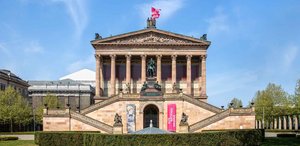
Berlin | 1 | Birches |
Izaberite deceniju da biste videli original koji je definiše.
Two Children (1900), Bavarske državne slikopisne kolekcije, Minhen. Slede Birches (1885) i Farmstead in Niedersachsen (1892).
52 godina: Two Children datira iz 1900, a Thomas Herbst je rođen/a 1848.
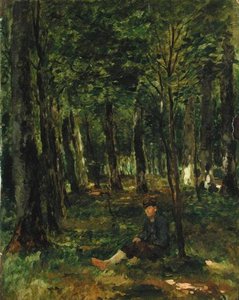
Two Children, Birches, Farmstead in Niedersachsen, Landscape, A Village In Winter, Wood, Horses at Water, Field Workers, Street in Altenbruch i At The Village Pond. Gornji rang pokazuje godinu i muzej za svako od njih.
Naš katalog sadrži 19 dela umetnika Thomas Herbst, datiranih od 1885 do 1900.
Većinom u Bavarske državne slikopisne kolekcije (Minhen) i Alte Nationalgalerie (Berlin). Tabela muzeja iznad sadrži njih sve.
U 1900s: 2 od 18 dela na ovoj stranici nastalo je tada, od čega je Two Children.
Na ovoj stranici, najstarije delo je iz Birches (1885), a najnovije iz Two Children (1900).
Forests (3), Village (2) i Roads (2), kroz svih 18 dela na ovoj stranici.
Two Children, Farmstead in Niedersachsen i Landscape: Bavarske državne slikopisne kolekcije, Minhen čuva 3 dela sa ove stranice.
Thomas Ludwig Herbst, a name whispered with affection in the annals of German art history, was far more than a mere chronicler of the countryside; he was a poet of light and atmosphere. Born in 1848 amidst the burgeoning industrial energy of Hamburg, Herbst’s life unfolded during a transformative era for European aesthetics. While his early years were rooted in the steady traditions of his German heritage, his artistic soul was destined to wander through the most prestigious academies of Europe. His journey began with foundational lessons under Jakob Becker in Frankfurt, but it was his subsequent migrations—to the Prussian Academy of Arts in Berlin, the Weimar Saxon Grand Ducal Art School, and eventually the vibrant art scenes of Düsseldorf and Paris—that forged his unique vision. In Paris, rubbing shoulders with contemporaries like Max Liebermann, Herbst absorbed the revolutionary tenets of Impressionism, learning to prioritize the ephemeral flicker of sunlight over the rigid permanence of form.
The essence of Herbst’s work lies in its profound connection to the natural world, specifically the serene and rolling landscapes of Holstein. He possessed an uncanny ability to translate the tactile reality of a meadow into a sensory experience for the viewer. His technique, characterized by loose, expressive brushstrokes, allowed him to capture the fleeting qualities of weather and time. Whether depicting a dense, tranquil forest or an expansive pasture, Herbst sought to convey the emotional resonance of the landscape. This dedication to capturing the "feeling" of a moment led to his enduring legacy as a master of atmospheric conditions, where the air itself seems to shimmer with moisture or warmth upon the canvas.
Perhaps the most endearing chapter of Herbst’s biography is the origin of his beloved nickname, “Kuhherbst”. This moniker, meaning "Cow Herbst," was bestowed upon him by admirers who recognized his unparalleled devotion to his favorite subject: the cattle grazing in the Holstein pastures. To many, these were not merely animal portraits but studies in harmony and peace. In works such as A Cow In The Meadow, one can observe how he utilized a luminous color palette to evoke the golden warmth of a summer afternoon. His ability to integrate livestock into the broader landscape without making them appear as mere ornaments is a testament to his skill; the animals become part of the very breath of the earth he painted.
Beyond the pastoral, Herbst’s contributions to the German art movement were significant and structural. As a founding member of the Hamburgischer Künstlerklub in 1897, he helped establish a platform for local experimentation and excellence. Though his temperament was occasionally at odds with the evolving cultural standards of the club—leading to his eventual resignation—his influence on the Hamburg art scene remained indelible. His life’s work serves as a bridge between the academic rigor of the mid-19th century and the sensory freedom of late-century Impressionism, leaving behind a body of work that continues to invite viewers into a world of quiet, pastoral splendor.