The Enigmatic World of Shiseki
Shiseki, a contemporary artist whose work defies easy categorization, has emerged as a compelling voice in the global art landscape. Born and continuing to live under circumstances shrouded in intentional obscurity – details of their personal life remain largely undisclosed – Shiseki’s artistic journey is marked by a profound exploration of liminal spaces, memory, and the ephemeral nature of existence. This deliberate withholding of biographical information isn't an act of aloofness but rather a conscious effort to allow the work itself to take center stage, unburdened by the preconceptions that often accompany an artist’s persona. The very name “Shiseki,” meaning ‘stone record’ in Japanese, hints at a fascination with enduring forms and the stories they silently hold.
Early Influences & Artistic Development
While specific formative experiences remain unknown, Shiseki's art reveals a deep engagement with both Eastern and Western philosophical traditions. The influence of Zen Buddhism is palpable – particularly its emphasis on *mu* (nothingness) and the beauty found in imperfection (*wabi-sabi*). Early works, dating back to the early 2000s, demonstrate an experimentation with traditional Japanese materials like sumi ink, washi paper, and natural pigments. However, Shiseki quickly moved beyond strict adherence to these techniques, incorporating unconventional elements such as found objects, industrial debris, and digital media into their practice. This blending of old and new, organic and synthetic, is a defining characteristic of their aesthetic.
The artist’s development wasn't linear; it was a process of constant questioning and reinvention. A period spent studying architectural ruins in various parts of the world – from the crumbling Roman aqueducts to abandoned Soviet-era structures – appears to have been particularly formative, instilling a fascination with decay, fragmentation, and the passage of time. These influences are evident in their recurring motifs: skeletal frameworks, eroded surfaces, and ghostly traces of past lives.
Major Themes & Techniques
Shiseki’s work is unified by several key themes. The exploration of memory – both personal and collective – is central to their practice. Their pieces often evoke a sense of nostalgia, but it's not a sentimental longing for the past; rather, it's a melancholic recognition of its irretrievability. This theme is frequently expressed through layered compositions that resemble palimpsests, with fragments of images, texts, and textures superimposed upon one another.
- Layering & Fragmentation: Shiseki masterfully employs layering techniques, often combining painting, collage, sculpture, and digital elements to create complex, multi-dimensional works.
- Ephemeral Materials: The use of materials that are inherently fragile or subject to change – such as dissolving paper, rusting metal, and fading inks – underscores the transient nature of existence.
- Liminal Spaces: Their art frequently depicts transitional zones: abandoned buildings, forgotten landscapes, and dreamlike interiors. These spaces serve as metaphors for psychological states and the boundaries between reality and illusion.
Shiseki’s technical approach is equally innovative. They are known for their pioneering use of digital manipulation to create ethereal textures and distorted perspectives. However, they always ground these technological interventions in a tactile sensibility, ensuring that the work retains a sense of physicality and emotional resonance.
Significant Achievements & Recognition
Despite maintaining a low public profile, Shiseki’s work has garnered significant critical acclaim and international recognition. Their first major solo exhibition, “Echoes of Absence,” held at the
Tokyo National Museum in 2015, was hailed as a breakthrough moment, establishing them as a leading figure in
contemporary art. Subsequent exhibitions at prestigious galleries and museums around the world – including the Centre Pompidou in Paris and the Guggenheim Museum in
New York – have further solidified their reputation.
Key Achievements:
- “Echoes of Absence” (2015) - Tokyo National Museum
- Participation in the Venice Biennale (2017 & 2023)
- Retrospective exhibition at the Centre Pompidou, Paris (2020)
Shiseki’s work has also been widely collected by major institutions and private collectors. Their pieces command high prices on the art market, but the artist remains committed to using their platform to support emerging artists and promote cultural exchange.
Historical Significance & Legacy
Shiseki's contribution to
contemporary art lies in their ability to synthesize seemingly disparate influences into a cohesive and profoundly moving body of work. They challenge conventional notions of artistic authorship, materiality, and representation. Their exploration of memory, loss, and the ephemeral nature of existence resonates deeply with audiences grappling with the complexities of the modern world.
Shiseki’s legacy is still unfolding. However, it's clear that their art will continue to inspire generations of artists and viewers alike – prompting us to question our relationship to the past, present, and future. Their deliberate anonymity serves as a powerful reminder that true artistic expression transcends personal identity, allowing the work itself to speak volumes about the
human condition. The “stone records” they create are not merely objects of aesthetic beauty but rather poignant reflections on the enduring mysteries of life and time.


 Minneapolis Institute of Art
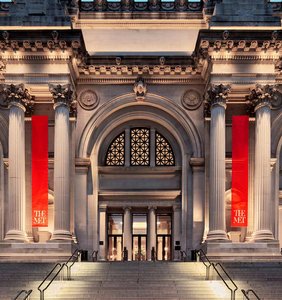 Metropoliten музеј у Њујорку