


1


Ažurirano: новембар 2026 · rangirano prema našem koeficijentu popularnosti (pretrage, posete i porudžbine za svako delo) · 20 dela Reginald Grange Brundrit u našem katalogu
Ukratko
Za ljubitelje galerije, najpoznatije delo umetnika Reginald Grange Brundrit je Miss Dorothy Counsell (1887–1978), Principal of Whitelands College (1950), čiji se original nalazi u muzeju Whitelands College, London. The River (1924) i Ribblesdale (1929) čine triju koju svako oko prepoznaje. Od 20 dela umetnika Reginald Grange Brundrit u našem katalogu, galerija u nastavku predstavlja 19 najpoznatijih dela, od kojih je svako originalno, sa navedenom godinom nastanka, muzejom i onim što ga čini jedinstvenim.


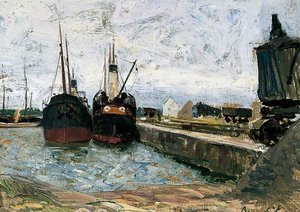 Glasson Dock, Lancashire
12
 Clouds from the West
13
 Trees
14
 LandscapeThe Hepworth Wakefield
15
 Autumn by the River
16
 Stainforth, A Ribblesdale FarmThe National Trust For Scotland
17
 Rothbury on the Severn
18
 The Vale of Eden1935 · Leeds Art Gallery
19The Wooded Vale1933 · Towneley Hall Art Gallery - Museum
Četiri teme koje se najčešće ponavljaju u ovim originalima, svaka sa svojim vrhunskim primerom.
7 muzeja u kojima se nalazi najviše slika sa ove stranice.
| Muzej | Grad | Radovi umetnika Reginald Grange Brundrit | Slike iz ovog spiska |
|---|---|---|---|
 Whitelands College |
London | 1 | Miss Dorothy Counsell (1887–1978), Principal of Whitelands College |
 Grundy Art Gallery |
Blackpool | 1 | Ribblesdale |
 Guildhall Art Gallery |
London | 1 | Walter R. Owen |
 The Hepworth Wakefield |
Wakefield | 1 | Landscape |
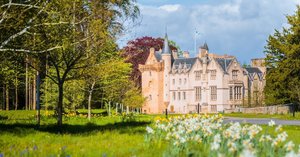 The National Trust For Scotland |
Forres | 1 | Stainforth, A Ribblesdale Farm |
 Leeds Art Gallery |
Lids | 1 | The Vale of Eden |
 Towneley Hall Art Gallery - Museum |
Burnley | 1 | The Wooded Vale |
Izaberite deceniju da biste videli original koji je definiše.
Miss Dorothy Counsell (1887–1978), Principal of Whitelands College (1950), Whitelands College, London. Slede The River (1924) i Ribblesdale (1929).
67 godina: Miss Dorothy Counsell (1887–1978), Principal of Whitelands College datira iz 1950, a Reginald Grange Brundrit je rođen/a 1883.
Miss Dorothy Counsell (1887–1978), Principal of Whitelands College, The River, Ribblesdale, English Landscape, Nutwith Common, Masham, Below the Sluice, Nightfall, Grassington Bridge, Above the Falls i Walter R. Owen. Gornji rang pokazuje godinu i muzej za svako od njih.
Naš katalog sadrži 20 dela umetnika Reginald Grange Brundrit, datiranih od 1924 do 1950.
Većinom u Whitelands College (London), Grundy Art Gallery (Blackpool) i Guildhall Art Gallery (London). Tabela muzeja iznad sadrži njih sve.
U 1940s: 6 od 19 dela na ovoj stranici nastalo je tada, od čega je Nutwith Common, Masham.
Na ovoj stranici, najstarije delo je iz The River (1924), a najnovije iz Miss Dorothy Counsell (1887–1978), Principal of Whitelands College (1950).
British art (2), Rural landscape (2) i English countryside (2), kroz svih 19 dela na ovoj stranici.
Impressionism, sudeći po originalima na ovoj stranici.
Reginald Grange Brundrit (1883-1960) remains a profound, if understated, voice in the history of British watercolor and oil painting. Born in the historic city of Oxford, his artistic sensibilities were deeply rooted in the very soil he would later immortalize on canvas. His early life was marked by an intense fascination with botany and geology, disciplines that provided him with a scientific eye for detail and a deep respect for the structural beauty of the natural world. This foundational interest in the earth's textures and organic forms would eventually manifest as a hallmark of his mature style, where every leaf and stone is rendered with both precision and poetic grace.
His formal education at Whitelands College, Oxford, served as the crucible for his technical development. Under the guidance of influential tutors, Brundrit mastered the delicate nuances of tonal subtlety and light manipulation. It was during these formative years that he cultivated a collaborative spirit, studying alongside contemporaries such as Bertram Wooster Smith. This period of academic rigor instilled in him a lifelong commitment to observation, teaching him that true artistry lies not in the exaggeration of a scene, but in the faithful capture of its atmospheric essence.
Brundrit’s body of work is a love letter to the English countryside, specifically the rolling landscapes of Oxfordshire and Gloucestershire. Eschewing the dramatic, sweeping vistas often found in Romanticism, he instead turned his gaze toward the intimate and the quiet. His paintings frequently focus on the subtle transitions of light across meadows bathed in golden sunlight or the mysterious, heavy mists that shroud wooded valleys. Through a masterful use of color, he was able to convey the fleeting sensations of weather and time, creating works that feel both immediate and timeless.
His technique often bridged the gap between meticulous realism and the soft, emotive qualities of Impressionism. In his landscapes, one can observe:
Whether working in the transparent, fluid medium of watercolor or the rich, layered textures of oil on canvas, Brundrit maintained a consistent devotion to the "quiet beauty" of his subjects. His ability to render Rothbury on the Severn with such atmospheric weight allowed viewers to experience the tranquility of the English landscape as if they were standing within it.
Beyond his celebrated landscapes, Brundrit’s artistic range extended into portraiture, where he demonstrated a remarkable capacity for psychological depth. His portraits, much like his landscapes, avoided the theatrical in favor of a sincere, observational truth. This ability to capture the essence of a subject—be it a person or a patch of woodland—is what secures his place in the canon of early 20th-century British art.
The historical significance of Reginald Grange Brundrit lies in his role as a custodian of the English pastoral tradition. At a time when the world was undergoing rapid industrial and social change, his work provided a sanctuary of stability and natural grace. He did not seek to reinvent the landscape through abstraction, but rather to deepen our appreciation for its existing splendor. Today, his works held in esteemed collections such as the Leeds Art Gallery and Towneley Hall Art Gallery continue to invite contemplation, reminding us of the enduring power of the quiet, observed moment.