Portret Kano Mitsunobu

Slike umetnika Kano Mitsunobu: Najpoznatijih 3 kroz oči galerije

Ažurirano: новембар 2026 · rangirano prema našem koeficijentu popularnosti (pretrage, posete i porudžbine za svako delo) · 3 dela Kano Mitsunobu u našem katalogu

Ukratko

Iz perspektive galerije, najpoznatije delo umetnika Kano Mitsunobu je Flowers and Grasses of the Four Seasons (501). The Return to Court of the Four Graybeards of Mount Shang (left); Su Shi’s Visit to the Wind and Water Cave (right (501) i Birds and Flowers čine triju koju svako oko prepoznaje. Od 3 dela umetnika Kano Mitsunobu u našem katalogu, galerija u nastavku predstavlja 3 najpoznatijih dela, od kojih je svako originalno, sa navedenom godinom nastanka, muzejom i onim što ga čini jedinstvenim.

1561 – 1608, Провинција Јамаширо Najviše dela: Cleveland Museum of Art

Top 10 slika umetnika Kano Mitsunobu u galeriji

1
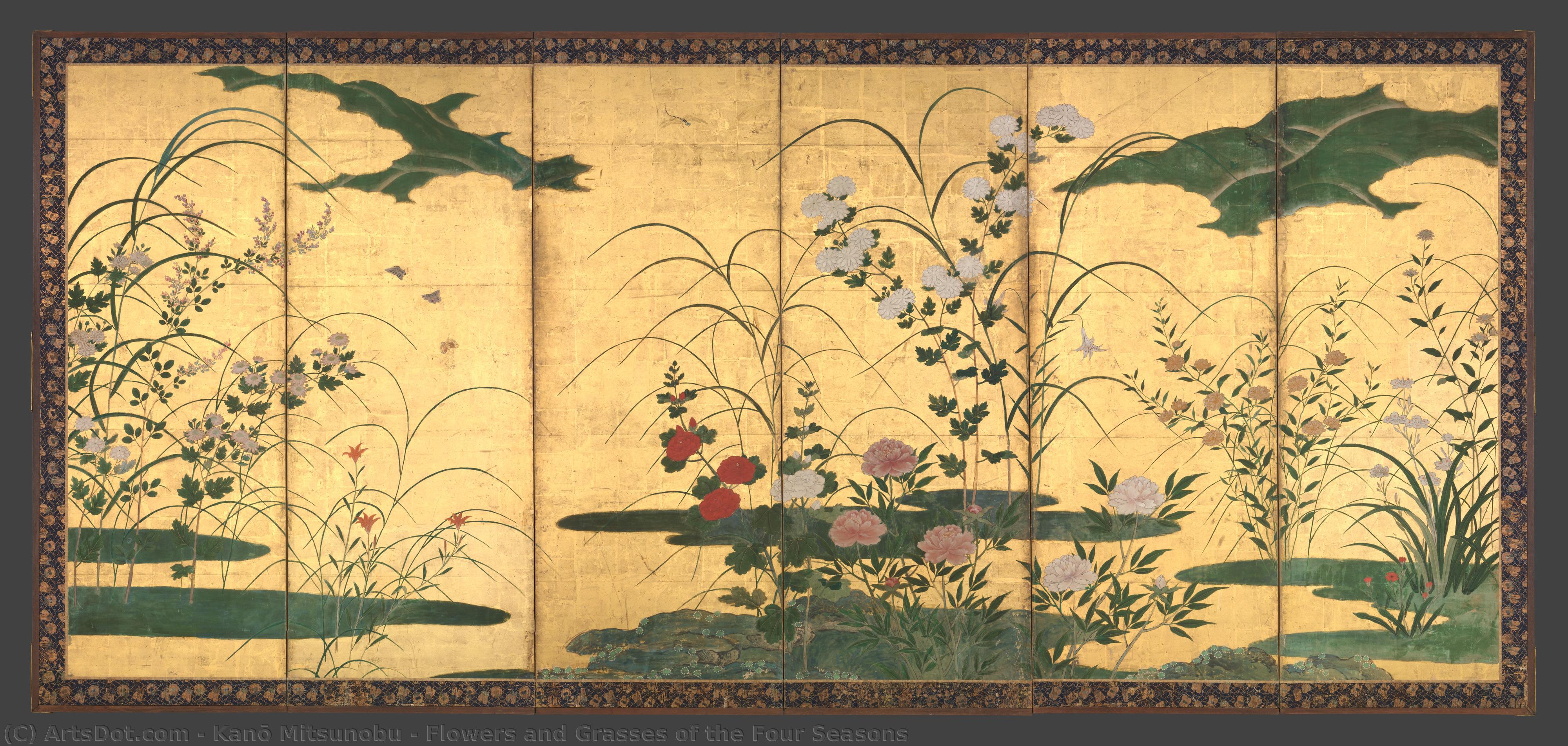
Flowers and Grasses of the Four Seasons (501) čiji je Kano Mitsunobu

Flowers and Grasses of the Four Seasons

501

Flowers and Grasses of the Four Seasons is a lyrical variation of the common theme of Flowers and Birds of the Four Seasons. This work was painted by Kanō Mitsunobu, a prominent figure of the Kanō school. He was the son of Kanō Eitoku and carried forward a significant artistic legacy. Born in Yamashiro Province, Japan, in 1561, he lived until 1608.

2
The Return to Court of the Four Graybeards of Mount Shang (left); Su Shi’s Visit to the Wind and Water Cave (right (501) čiji je Kano Mitsunobu

The Return to Court of the Four Graybeards of Mount Shang (left); Su Shi’s Visit to the Wind and Water Cave (right

501 · Ink

The Return to Court of the Four Graybeards of Mount Shang (left); Su Shi’s Visit to the Wind and Water Cave (right) by Kanō Mitsunobu presents two distinct narratives. On the right, the scene depicts the future Emperor Hui of the Han dynasty. A group of men walks along a beach, their backs turned to the viewer as they move through the landscape. Nearby, two men stand together, their gazes…

Muzeji u kojima se čuvaju originalna dela umetnika Kano Mitsunobu

1 muzeja u kojima se nalazi najviše slika sa ove stranice.

Muzej Grad Radovi umetnika Kano Mitsunobu Slike iz ovog spiska
Cleveland Museum of Art, KlivlendCleveland Museum of Art Klivlend 1 Birds and Flowers

Slike umetnika Kano Mitsunobu: odgovori galerije

Koja je najpoznatija slika umetnika Kano Mitsunobu?Otkrij odgovor

Flowers and Grasses of the Four Seasons (501). Slede The Return to Court of the Four Graybeards of Mount Shang (left); Su Shi’s Visit to the Wind and Water Cave (right (501) i Birds and Flowers.

Koliko je dela stvorio/la Kano Mitsunobu?Otkrij odgovor

Naš katalog sadrži 3 dela umetnika Kano Mitsunobu.

Gde se nalaze najpoznatiji originali umetnika Kano Mitsunobu?Otkrij odgovor

Većinom u Cleveland Museum of Art (Klivlend). Tabela muzeja iznad sadrži njih sve.

Kano Mitsunobu: umetnik

biography and artistic style

kanō mitsunobu, a prominent figure in the kanō school of japanese painting, was born in 1565 in kyoto, japan. as the son of kanō eitoku, mitsunobu was destined to carry on the family's artistic legacy. he became an influential artist in his own right, known for his mastery of the fundamental kanō school style and his unique expression of delicate, elegant, and gentle lightness.

artistic contributions

mitsunobu's color paintings, often featuring flowers, trees, and similar subjects, made extensive use of gold-leaf, characteristic of the kanō school. his work can be seen in various kyoto palaces and temples, including the kyoto imperial palace. notably, his style is also reflected in lacquer decoration at the mausoleum of warlord toyotomi hideyoshi in kyoto's kōdaiji temple.

notable works and collaborations

* flowers and grasses of the four seasons: a lyrical variation of a common theme, featuring delicately rendered insects amidst kerria roses, peonies, chrysanthemums, and bush clover. * collaboration with his father on major castles and palaces, including azuchi castle, osaka castle, and kyoto gosho.

legacy and influence

mitsunobu's work can be found in various collections, including the metsūji temple and the metropolitan museum of art. his legacy continues to inspire artists and art enthusiasts alike. important dates: * born: 1565, kyoto, japan * died: 1608 * notable collaborations and commissions: late 16th century museum collections: artistic style: delicate, elegant, and gentle lightness, characteristic of the kanō school.