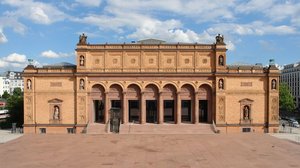
Portret Јозеф Ребељ

Slike umetnika Јозеф Ребељ: Najpoznatijih 39 kroz oči galerije

Ažurirano: новембар 2026 · rangirano prema našem koeficijentu popularnosti (pretrage, posete i porudžbine za svako delo) · 39 dela Јозеф Ребељ u našem katalogu

Ukratko

Za ljubitelje galerije, najpoznatije delo umetnika Јозеф Ребељ je The Mole at Portici (1818), čiji se original nalazi u muzeju Neue Pinakothek, Minhen. Schloss Persenbeug (1817) i View of the Manors of Emmersdorf Castle and Rothenhof with Melk Abbey in the Background (1826) čine triju koju svako oko prepoznaje. Od 39 dela umetnika Јозеф Ребељ u našem katalogu, galerija u nastavku predstavlja 39 najpoznatijih dela, od kojih je svako originalno, sa navedenom godinom nastanka, muzejom i onim što ga čini jedinstvenim.

1787 – 1828, Беч Najviše dela: Musée Condé

Top 10 slika umetnika Јозеф Ребељ u galeriji

1
The Mole at Portici (1818) čiji je Јозеф Ребељ

The Mole at Portici

1818 · Oil On Canvas · Neue Pinakothek, Minhen

The sunlight catches the ripples of the harbor in The Mole at Portici, a work by Josef Rebell. This oil on canvas captures a specific moment in time, frozen around 1818. The scene unfolds within a frame measuring 38 x 55 cm, inviting the eye to wander through the maritime activity of the Italian coast.

2
Schloss Persenbeug (1817) čiji je Јозеф Ребељ

Schloss Persenbeug

1817 · Oil On Canvas

Schloss Persenbeug, executed by Josef Rebell around 1817, captures the architectural presence of the Castle of Persenbeug. This structure remains a private property of the Habsburgian descendants. The site holds significant historical weight, as it was the birthplace of Charles I of Austria, who served as the Emperor of Austria and King of Hungary.

3
View of the Manors of Emmersdorf Castle and Rothenhof with Melk Abbey in the Background (1826) čiji je Јозеф Ребељ

View of the Manors of Emmersdorf Castle and Rothenhof with Melk Abbey in the Background

1826 · Oil

A large, mature deciduous tree anchors the left foreground, its dark, textured trunk reaching upward to frame the sweeping vista. Beneath its sprawling canopy, a group of peasants in traditional colorful attire gathers on a grassy slope. Some sit while others stand, caught in a quiet moment of conversation or rest. A dirt path winds from this gathering, cutting through rolling agricultural fields toward the middle ground. The eye follows…

Slike umetnika Јозеф Ребељ, rangirane od 11 do 39

Motivi koji su privlačili pažnju Јозеф Ребељ

Četiri teme koje se najčešće ponavljaju u ovim originalima, svaka sa svojim vrhunskim primerom.

Muzeji u kojima se čuvaju originalna dela umetnika Јозеф Ребељ

5 muzeja u kojima se nalazi najviše slika sa ove stranice.

Muzej Grad Radovi umetnika Јозеф Ребељ Slike iz ovog spiska
Musée Condé, ŠantijeMusée Condé Šantije 10 LE GOLFE DE NAPLES, VU DE CHIAJA, Palais de Studi, Naples, PORTICI
Bavarske državne slikopisne kolekcije, MinhenBavarske državne slikopisne kolekcije Minhen 3 View of Casamicciola on the Island of Ischia, View from Posilippo on Ischia, Coast of Capri at Sunset
Neue Pinakothek, MinhenNeue Pinakothek Minhen 1 The Mole at Portici
Hamburger Kunsthalle, HamburgHamburger Kunsthalle Hamburg 1 View of Atrani near Amalfi
Staatliche Kunsthalle Karlsruhe, KarlsrueStaatliche Kunsthalle Karlsruhe Karlsrue 1 View of the Gulf of Naples with Vesuvius

Јозеф Ребељ, jedno autentično delo po deceniji

Radovi po decenijama

Izaberite deceniju da biste videli original koji je definiše.

Slike umetnika Јозеф Ребељ: odgovori galerije

Koja je najpoznatija slika umetnika Јозеф Ребељ?Otkrij odgovor

The Mole at Portici (1818), Neue Pinakothek, Minhen. Slede Schloss Persenbeug (1817) i View of the Manors of Emmersdorf Castle and Rothenhof with Melk Abbey in the Background (1826).

Koliko je godina imao/la Јозеф Ребељ kada je dovršio/la The Mole at Portici?Otkrij odgovor

31 godina: The Mole at Portici datira iz 1818, a Јозеф Ребељ je rođen/a 1787.

Koja su najbolja 10 dela umetnika Јозеф Ребељ?Otkrij odgovor

The Mole at Portici, Schloss Persenbeug, View of the Manors of Emmersdorf Castle and Rothenhof with Melk Abbey in the Background, LE GOLFE DE NAPLES, VU DE CHIAJA, View of Casamicciola on the Island of Ischia, Scene from the Napoleonic Wars: View of Kaiserebersdorf, Scene from the Napoleonic Wars: The French Retreat from the Lobau and the Wounded Marshal Jean Lannes (Duc de Montebello), Scene from the Napoleonic Wars: The Beginning of the Bridgehead in the Lobau, Ideal Landscape with Temple Buildings i View from Posilippo on Ischia. Gornji rang pokazuje godinu i muzej za svako od njih.

Koliko je dela stvorio/la Јозеф Ребељ?Otkrij odgovor

Naš katalog sadrži 39 dela umetnika Јозеф Ребељ, datiranih od 1808 do 1827.

Gde se nalaze najpoznatiji originali umetnika Јозеф Ребељ?Otkrij odgovor

Većinom u Musée Condé (Šantije), Bavarske državne slikopisne kolekcije (Minhen) i Neue Pinakothek (Minhen). Tabela muzeja iznad sadrži njih sve.

Kada je Јозеф Ребељ stvorio svoje najpoznatije slike?Otkrij odgovor

U 1810s: 18 od 39 dela na ovoj stranici nastalo je tada, od čega je The Mole at Portici.

Koja su najranija i najkasnija poznata dela umetnika Јозеф Ребељ?Otkrij odgovor

Na ovoj stranici, najstarije delo je iz Ideal Landscape with Temple Buildings (1808), a najnovije iz Lighthouse in the Port of Neapel in Moonlight (1827).

Kojim se motivima Јозеф Ребељ najčešće bavio?Otkrij odgovor

Sky (3), Water (2) i Mountains (2), kroz svih 39 dela na ovoj stranici.

U kojoj je tehnici najviše radio/la Јозеф Ребељ?Otkrij odgovor

Oil On Canvas, za 2 od 39 dela na ovoj stranici.

Koje originale umetnika Јозеф Ребељ poseduje Musée Condé?Otkrij odgovor

LE GOLFE DE NAPLES, VU DE CHIAJA, Palais de Studi, Naples i PORTICI: Musée Condé, Šantije čuva 10 dela sa ove stranice.

Јозеф Ребељ: umetnik

Joseph Rebell (1787 – 1828): Bridging Romantic Landscape and Neoclassical Portraiture

Joseph Rebell was born in Vienna, Austria, on January 11, 1787. His artistic inclinations began early, spurred by a fascination with architectural design—a formative influence that would later permeate his landscape paintings. He enrolled at the Akademie der Bildenden Künste in Vienna in 1808 and honed his skills under Michael Wutky, absorbing classical ideals and mastering techniques vital for capturing the grandeur of European vistas.
  • Early Influences: Rebell’s initial artistic explorations were profoundly shaped by the neoclassical aesthetic championed by artists like Jacques-Louis David, whose monumental canvases instilled in him a commitment to formal precision and idealized representation.
  • Swiss Sojourn & Milanese Patronage (1809–1812): Recognizing his talent, Rebell embarked on a journey to Switzerland in 1809, immersing himself in the Alpine landscape—a formative experience that would fuel his future artistic endeavors. Shortly thereafter, he secured patronage from Eugène Beauharnais in Milan, allowing him to refine his craft amidst the vibrant cultural milieu of the Italian court.

Naples and the Court of Murat (1813–1815)

Rebell’s relocation to Naples in 1813 marked a pivotal moment, placing him at the epicenter of artistic innovation during Napoleon's reign. He found himself captivated by Caroline Bonaparte—Napoleon’s youngest sister—who served as regent for Murat and championed Rebell’s artistic pursuits. This association exposed him to the burgeoning Neoclassical movement and fostered collaborations with prominent sculptors and architects. His landscapes from this period exemplify a masterful blend of observation and idealized vision, reflecting the grandeur of Murat's court and capturing the essence of Southern Italy.
  • Murat’s Influence: Caroline Bonaparte recognized Rebell’s artistic potential and actively encouraged his engagement with contemporary art trends, fostering an environment conducive to experimentation and stylistic evolution.
  • Notable Landscapes: Among Rebell's most celebrated works are “The Mole at Portici” (1821), a dramatic depiction of Pompeii’s ruins bathed in moonlight—a testament to his ability to convey emotion through meticulous detail—and “Palais Royal de Naples, Vu de Largo Reale,” which showcases the architectural splendor of Naples' central square.

Rome and Artistic Development (1816–1824)

From 1816 to 1824, Rebell resided in Rome—a crucible of artistic creativity during the Romantic era—where he absorbed inspiration from fellow artists like Joseph Vernet and Johann Christian Peixotto. He embraced the expressive qualities of Romantic landscape painting, prioritizing atmosphere and emotion over strict adherence to classical conventions. This stylistic shift culminated in his masterful portrayal of St Joseph Chapel (1824), a serene depiction reflecting the spiritual fervor of the time.
  • Romantic Sensibility: Rebell’s artistic sensibilities embraced the Romantic movement's emphasis on subjective experience and emotional intensity, departing from the rationalism of Neoclassicism to convey profound feelings about nature and human existence.
  • Vienna Gallery Directorship & Later Works: Rebell’s appointment as Director of the Belvedere Gallery in Vienna provided him with invaluable access to artistic resources and fostered continued engagement with Viennese cultural life. He produced several additional landscapes, cementing his reputation as one of Austria's foremost landscape painters.

Legacy and Recognition

Joseph Rebell died unexpectedly in Dresden on December 18, 1828, leaving behind a legacy of remarkable artistic achievement. His paintings—particularly “Palais de la Favorite, a Portici” and “View from Posillipo on Capri”—remain treasured masterpieces of the Romantic landscape genre, demonstrating his unparalleled skill in capturing light, color, and emotion. Rebell’s work continues to inspire admiration for its beauty and technical virtuosity, securing his place as an enduring figure in European art history. His landscapes are housed in museums across Europe—including Munich Pinakothek, Berlin Gallery, Parma Gallery—testament to the lasting impact of his artistic vision.