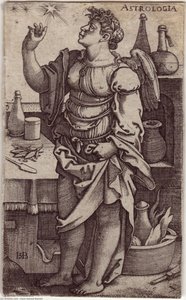
Portret Hans Sebald Beham

14 najpoznatijih slika umetnika Hans Sebald Beham, izbor iz galerije

Ažurirano: новембар 2026 · rangirano prema našem koeficijentu popularnosti (pretrage, posete i porudžbine za svako delo) · 14 dela Hans Sebald Beham u našem katalogu

Ukratko

Od svih originala koje je Hans Sebald Beham ostavio, najpoznatiji je Tree of Faith, Love, and Good Works (1525), koji se nalazi u kolekciji Staatliche Museen zu Berlin, Berlin. Odmah za njima slede Hercules Capturing Cerberus (1545) i Processing of dancing pairs (1561). Naš katalog sadrži 14 dela umetnika Hans Sebald Beham; galerija je čuvala 14 dela koja svet najviše admira, od kojih je svako prikazano sa svojim datumom, muzejom i pričom.

1500 – 1550, Nuremberg Najviše dela: Staatliche Museen zu Berlin

Top 10 slika umetnika Hans Sebald Beham: izbor galerije

1
Tree of Faith, Love, and Good Works (1525) čiji je Hans Sebald Beham

Tree of Faith, Love, and Good Works

1525 · Woodcut · Staatliche Museen zu Berlin, Berlin

To gaze upon this woodcut print, Tree of Faith, Love, and Good Works by Hans Sebald Beham, is to step directly into the intellectual and spiritual fervor of the early sixteenth century. It is not merely an image; it is a profound theological treatise rendered in stark, masterful black and white lines. The composition immediately draws the eye to the central figure, whose contemplative gesture seems to bridge the earthly…

4
The Prodigal Son Wasting His Patrimony (1540) čiji je Hans Sebald Beham

The Prodigal Son Wasting His Patrimony

1540 · Engraving · National Gallery of Art, Washington

Hans Sebald Beham's "The Prodigal Son Wasting His Patrimony," created around 1540, is more than just a depiction of a biblical parable; it’s a meticulously rendered tableau of moral consequence and the seductive allure of excess. Executed in stark black and white engraving on paper, this work offers a profound glimpse into the anxieties and artistic sensibilities of the German Renaissance, a period grappling with religious reformation and shifting social…

5
Scenes from the Life of David (1534) čiji je Hans Sebald Beham

Scenes from the Life of David

1534 · Oil On Panel · Luvr, Pariz

The meticulously rendered cityscape depicted in Hans Sebald Beham's "Scenes from the Life of David," created in 1534, offers a captivating glimpse into the artistic and intellectual landscape of late Renaissance Germany. More than just a depiction of a bustling urban scene, this work is a complex tapestry woven with threads of religious allegory, classical influence, and the burgeoning anxieties of a nation grappling with profound change. Measuring a modest…

9
Fountain of Youth and bathhouse čiji je Hans Sebald Beham

Fountain of Youth and bathhouse

The use of water to heal is a practice as old as medicine itself. Visitors travelled to spas in order to regain their health and the strength of their youth. However, the results were usually disappointing, thus leading to the dream of a fountain of youth, where men and women could regain their beauty, youth, and ability to love. At the left of our sheet, the elderly are being carried…

Izbor umetnika Hans Sebald Beham se nastavlja, od 11 do 14

Motivi koji su privlačili pažnju Hans Sebald Beham

Četiri teme koje se najčešće ponavljaju u ovim originalima, svaka sa svojim vrhunskim primerom.

Muzeji u kojima se čuvaju originalna dela umetnika Hans Sebald Beham

6 muzeja u kojima se nalazi najviše slika sa ove stranice.

Muzej Grad Radovi umetnika Hans Sebald Beham Slike iz ovog spiska
Staatliche Museen zu Berlin, BerlinStaatliche Museen zu Berlin Berlin 1 Tree of Faith, Love, and Good Works
Los Angeles County Museum of Art, Los AnđelesLos Angeles County Museum of Art Los Anđeles 1 Hercules Capturing Cerberus
Nacionalni muzej u Varšavi, VaršavaNacionalni muzej u Varšavi Varšava 1 Processing of dancing pairs
National Gallery of Art, WashingtonNational Gallery of Art Washington 1 The Prodigal Son Wasting His Patrimony
Luvr, ParizLuvr Pariz 1 Scenes from the Life of David
Kupferstichkabinett, BerlinKupferstichkabinett Berlin 1 Fountain of Youth and bathhouse

Hans Sebald Beham deceniju po deceniju: original koji definiše svaku od njih

Radovi po decenijama

Izaberite deceniju da biste videli original koji je definiše.

Pitanja kolekcionara o slikama umetnika Hans Sebald Beham

Po kojem delu je Hans Sebald Beham najpoznatiji/a?Otkrij odgovor

Tree of Faith, Love, and Good Works (1525), Staatliche Museen zu Berlin, Berlin. Slede Hercules Capturing Cerberus (1545) i Processing of dancing pairs (1561).

Koliko je godina imao/la Hans Sebald Beham kada je nastalo delo Tree of Faith, Love, and Good Works?Otkrij odgovor

25 godina: Tree of Faith, Love, and Good Works datira iz 1525, a Hans Sebald Beham je rođen/a 1500.

Koja su deset najpoznatijih slika umetnika Hans Sebald Beham?Otkrij odgovor

Tree of Faith, Love, and Good Works, Hercules Capturing Cerberus, Processing of dancing pairs, The Prodigal Son Wasting His Patrimony, Scenes from the Life of David, Cimon and Pero, Christ and the Woman of Samaria, Patience (Die Geduld), Fountain of Youth and bathhouse i March and April. Gornji rang pokazuje godinu i muzej za svako od njih.

Koliko je slika ostavio Hans Sebald Beham?Otkrij odgovor

Naš katalog sadrži 14 dela umetnika Hans Sebald Beham, datiranih od 1525 do 1545.

U kojim muzejima se nalaze remek-dela umetnika Hans Sebald Beham?Otkrij odgovor

Većinom u Staatliche Museen zu Berlin (Berlin), Los Angeles County Museum of Art (Los Anđeles) i Nacionalni muzej u Varšavi (Varšava). Tabela muzeja iznad sadrži njih sve.

U kojim godinama je Hans Sebald Beham naslikao svoja najpoznatija dela?Otkrij odgovor

U 1540s: 2 od 14 dela na ovoj stranici nastalo je tada, od čega je Hercules Capturing Cerberus.

Koja su prva i poslednja čuvena originalna dela umetnika Hans Sebald Beham?Otkrij odgovor

Na ovoj stranici, najstarije delo je iz Tree of Faith, Love, and Good Works (1525), a najnovije iz Hercules Capturing Cerberus (1545).

Koje je motive Hans Sebald Beham najčešće birao/la?Otkrij odgovor

Renaissance (3), Renaissance art (2) i Moral lesson (2), kroz svih 14 dela na ovoj stranici.

Hans Sebald Beham: život i delo

Hans Sebald Beham: A Master of Miniature and Reformation

Born in Nuremberg around 1500, Hans Sebald Beham (though often referred to as Hans Sebald Beham due to the “H” in his monogram) emerged during a pivotal period of artistic and religious upheaval in Germany. His life coincided with the dawn of the Reformation, a time when traditional authority was being challenged and new ideas – both artistic and theological – were rapidly spreading. While details about his early life remain scarce, what we know of Beham reveals an artist deeply influenced by the era’s turbulent currents and remarkably adept at navigating them through his intricate prints.

Beham's origins are shrouded in mystery; records concerning his parents are absent. However, he was part of a family connected to the artistic world – his brother, Bartel Beham, also pursued a career as an artist. Their training remains undocumented, suggesting that Beham’s early development relied heavily on observation and perhaps informal apprenticeships rather than structured academic instruction. This lack of formal documentation is characteristic of many artists working during this period, particularly those operating outside the established centers of artistic patronage.

The “Godless Painters” and Nuremberg's Religious Divide

Beham’s career took a dramatic turn in 1525 when he, along with his brother Bartel and Georg Pencz, were banished from Nuremberg. The charges leveled against them – heresy, blasphemy, and a refusal to recognize the authority of the city council – painted a picture of artists deeply involved in radical Protestant beliefs. This expulsion earned them the moniker “godless painters,” a label that reflects the anxieties surrounding religious dissent within the staunchly Catholic city.

The accusations stemmed from Beham’s increasingly outspoken Lutheran views, which clashed directly with Nuremberg's established Catholic leadership. The timing of this event is particularly significant: just two months after the banishment, Nuremberg officially adopted Lutheranism as its state religion. This swift shift highlights the volatile religious climate and underscores the precarious position occupied by artists who dared to challenge prevailing orthodoxies. Despite their subsequent reinstatement, Beham’s hasty departure from Nuremberg in 1528 – prompted by legal threats related to a plagiarism accusation concerning his treatise on horse proportions (allegedly derived from an unpublished manuscript by Albrecht Dürer) – demonstrates the lingering distrust and potential for persecution.

A Prodigious Printmaker: Technique and Subject Matter

Following his time in Nuremberg, Beham spent years working across various German cities, establishing himself as a prolific printmaker. His work is characterized by an extraordinary level of detail—many of his engravings are remarkably small, some even approaching the size of postage stamps. This miniaturization was not merely a technical feat; it reflected a deliberate aesthetic choice, emphasizing precision and meticulous observation.

Beham’s prints encompassed a diverse range of subjects, including scenes from peasant life, classical mythology, and erotic themes – often intertwined in complex allegorical narratives. His depictions of everyday rural life offered a stark contrast to the idealized representations favored by many of his contemporaries, providing a glimpse into the realities of ordinary people during the Renaissance. Simultaneously, he skillfully adapted classical motifs, imbuing them with a distinctly German sensibility. His engravings frequently feature dynamic compositions and dramatic figures, showcasing a mastery of line and perspective.

Influence and Legacy

Beham’s artistic development is inextricably linked to that of Albrecht Dürer, his supposed master. While the precise nature of their relationship remains debated, Beham clearly absorbed many of Dürer's techniques—particularly his meticulous attention to detail and his innovative use of engraving—but he pushed beyond Dürer’s established style, embracing a greater degree of social commentary and exploring more unconventional subject matter. He stands as one of the “Little Masters,” a group of German artists who followed in Dürer’s footsteps but developed their own distinctive voices within the evolving landscape of printmaking.

Despite his relatively obscure status for much of the 20th century, Beham's work has experienced a resurgence of interest in recent decades. His prints are now recognized as significant contributions to German Renaissance art and offer valuable insights into the religious, social, and artistic currents of his time. His legacy lies not only in the beauty and technical brilliance of his engravings but also in his courageous embrace of challenging subjects and his willingness to defy convention.