Portret Frederick Richard Say

Slike umetnika Frederick Richard Say: Najpoznatijih 29 kroz oči galerije

Ažurirano: новембар 2026 · rangirano prema našem koeficijentu popularnosti (pretrage, posete i porudžbine za svako delo) · 29 dela Frederick Richard Say u našem katalogu

Ukratko

Za ljubitelje galerije, najpoznatije delo umetnika Frederick Richard Say je General Sir James Macdonell, 1781 - 1857. Soldier (1835), čiji se original nalazi u muzeju Scottish National Portrait Gallery, Edinburg. Sir William Webb Follet (1796–1845), MP for Exeter (1835–1845) (1835) i Wilhelm I, Prince of Prussia, later King of Prussia and German Emperor (1797-1888) (1848) čine triju koju svako oko prepoznaje. Od 29 dela umetnika Frederick Richard Say u našem katalogu, galerija u nastavku predstavlja 29 najpoznatijih dela, od kojih je svako originalno, sa navedenom godinom nastanka, muzejom i onim što ga čini jedinstvenim.

1804 – 1868, London Najviše dela: Royal Collection

Top 10 slika umetnika Frederick Richard Say u galeriji

2
Sir William Webb Follet (1796–1845), MP for Exeter (1835–1845) (1835) čiji je Frederick Richard Say

Sir William Webb Follet (1796–1845), MP for Exeter (1835–1845)

1835 · Oil On Canvas · Royal Albert Memorial Museum, Exeter

The room feels heavy with the weight of intellect and duty. Seated within the deep embrace of a dark green velvet armchair, Sir William Webb Follet rests in a state of profound contemplation. Light spills from the left, carving the contours of his face and catching the subtle textures of his hair. He holds a collection of papers, their edges crisp against his hands, suggesting a mind constantly engaged with…

3
Wilhelm I, Prince of Prussia, later King of Prussia and German Emperor (1797-1888) (1848) čiji je Frederick Richard Say

Wilhelm I, Prince of Prussia, later King of Prussia and German Emperor (1797-1888)

1848 · Oil On Canvas · Royal Collection, London

A single gaze meets the viewer from the shadows of a heavy, crimson curtain. Wilhelm I, Prince of Prussia, sits in a moment of stillness, his presence defined by the rigid geometry of a military uniform. The dark navy fabric absorbs the light, while the metallic glint of epaulettes catches a sharp, directional glow from the upper left. Every detail of his face is rendered with a quiet, exacting precision,…

4
Edward Ward (1790–1837), 3rd Viscount Bangor (1840) čiji je Frederick Richard Say

Edward Ward (1790–1837), 3rd Viscount Bangor

1840 · Oil On Canvas · Castle Ward

In this half-length portrait, we encounter Edward Ward, 3rd Viscount Bangor, captured in a moment of quiet contemplation. The subject is rendered with a striking sense of presence, his form emerging from a dark, indistinct background that focuses all attention on his character. He is dressed in formal attire, the sharp edges of his collar and the heavy folds of his jacket providing a structured contrast to the softer, more…

5
Edward Law, 1st Earl of Ellenborough (1845) čiji je Frederick Richard Say

Edward Law, 1st Earl of Ellenborough

1845 · Oil On Canvas · National Portrait Gallery, London

Frederick Richard Say captured the likeness of Edward Law, 1st Earl of Ellenborough, in this 1845 oil painting. The subject sits with the weight of a British Tory politician. His gaze holds the stillness of a man accustomed to the halls of power. He once held the presidency of the Board of Control on four separate occasions. The brush traces the steady presence of a statesman.

7
Albert of Saxe Coburg Gotha (1819–1861), Prince Consort (1850) čiji je Frederick Richard Say

Albert of Saxe Coburg Gotha (1819–1861), Prince Consort

1850 · Oil · Government Art Collection, London

The figure emerges from a deep, dark void, anchored by the weight of heavy, textured robes. A single light source carves the contours of a face, catching the bridge of a nose and the steady gaze of a man held in a moment of quiet repose. The fabric of the garment ripples in thick, sculptural folds, suggesting a material of immense weight and luxury. Every line of the drapery leads…

8
Prince Albert, Prince Consort (1819-1861) (1862) čiji je Frederick Richard Say

Prince Albert, Prince Consort (1819-1861)

1862 · Oil On Canvas · Royal Collection, London

In this 1862 portrait, we encounter Prince Albert, Prince Consort, presented with a quiet, commanding presence. The composition utilizes an oval vignette, a choice that focuses the viewer’s attention entirely upon the subject, stripping away the distractions of a specific setting to emphasize the man himself. He is captured in a three-quarter view, his gaze directed with a sense of calm authority. The lighting, descending from the upper left, carves…

9
Ernest, Prince of Leiningen, with Prince Victor of Hohenlohe-Langenburg, Count Gleichen (1857) čiji je Frederick Richard Say

Ernest, Prince of Leiningen, with Prince Victor of Hohenlohe-Langenburg, Count Gleichen

1857 · Oil On Canvas · Royal Collection, London

The oil portrait titled Ernest, Prince of Leiningen, with Prince Victor of Hohenlohe-Langenburg, Count Gleichen captures a quiet moment of aristocratic proximity. Frederick Richard Say, a society portrait painter active in London, rendered this double portrait to document the likenesses of these two men. The canvas holds the presence of Ernest, Prince of Leiningen, alongside Prince Victor of Hohenlohe-Langenburg, Count Gleichen.

10
John Parker II (1772–1840), 1st Earl of Morley (1830) čiji je Frederick Richard Say

John Parker II (1772–1840), 1st Earl of Morley

1830 · Oil On Canvas · National Trust, Plymouth

The man sits within the quiet gravity of a seated portrait, his gaze meeting the viewer with a steady, composed expression. He is dressed in the formal attire of a gentleman, the crisp white of his collar providing a sharp contrast to the darker tones of his suit. Every fold of his clothing and the subtle contours of his face are rendered with a meticulous attention to detail that suggests…

Slike umetnika Frederick Richard Say, rangirane od 11 do 29

Motivi koji su privlačili pažnju Frederick Richard Say

Četiri teme koje se najčešće ponavljaju u ovim originalima, svaka sa svojim vrhunskim primerom.

Muzeji u kojima se čuvaju originalna dela umetnika Frederick Richard Say

8 muzeja u kojima se nalazi najviše slika sa ove stranice.

Muzej Grad Radovi umetnika Frederick Richard Say Slike iz ovog spiska
Royal Collection, LondonRoyal Collection London 4 Wilhelm I, Prince of Prussia, later King of Prussia and German Emperor (1797-1888), Prince Albert, Prince Consort (1819-1861), Ernest, Prince of Leiningen, with Prince Victor of Hohenlohe-Langenburg, Count Gleichen
National Portrait Gallery, LondonNational Portrait Gallery London 3 Edward Law, 1st Earl of Ellenborough, Henry Pelham Fiennes Pelham Clinton, 5th Duke of Newcastle under Lyne, Edward Stanley, 14th Earl of Derby
National Trust, PlymouthNational Trust Plymouth 3 John Parker II (1772–1840), 1st Earl of Morley, Frances Talbot (1782–1857), Countess of Morley, Edmund Parker (1810–1864), 2nd Earl of Morley
Scottish National Portrait Gallery, EdinburgScottish National Portrait Gallery Edinburg 2 General Sir James Macdonell, 1781 - 1857. Soldier, Walter Francis Scott (1806–1884), 5th Duke of Buccleuch and 7th Duke of Queensberry, Lord Privy Seal
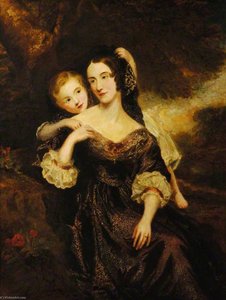
National Trust, BasingstokeNational Trust Basingstoke 2 Martha Buckworth, Mrs William Lyde Wiggett Chute, with Her Son, Chaloner William Chute (1838–1892), William Lyde Wiggett Chute (1800–1879)
National Maritime Museum, LondonNational Maritime Museum London 2 Admiral Sir William Hargood (1726–1839), Admiral Sir Robert Stopford (1768–1847)
Royal Albert Memorial Museum, ExeterRoyal Albert Memorial Museum Exeter 1 Sir William Webb Follet (1796–1845), MP for Exeter (1835–1845)
Castle WardCastle Ward 1 Edward Ward (1790–1837), 3rd Viscount Bangor

Frederick Richard Say, jedno autentično delo po deceniji

Radovi po decenijama

Izaberite deceniju da biste videli original koji je definiše.

Slike umetnika Frederick Richard Say: odgovori galerije

Koja je najpoznatija slika umetnika Frederick Richard Say?Otkrij odgovor

General Sir James Macdonell, 1781 - 1857. Soldier (1835), Scottish National Portrait Gallery, Edinburg. Slede Sir William Webb Follet (1796–1845), MP for Exeter (1835–1845) (1835) i Wilhelm I, Prince of Prussia, later King of Prussia and German Emperor (1797-1888) (1848).

Koliko je godina imao/la Frederick Richard Say kada je dovršio/la General Sir James Macdonell, 1781 - 1857. Soldier?Otkrij odgovor

31 godina: General Sir James Macdonell, 1781 - 1857. Soldier datira iz 1835, a Frederick Richard Say je rođen/a 1804.

Koja su najbolja 10 dela umetnika Frederick Richard Say?Otkrij odgovor

General Sir James Macdonell, 1781 - 1857. Soldier, Sir William Webb Follet (1796–1845), MP for Exeter (1835–1845), Wilhelm I, Prince of Prussia, later King of Prussia and German Emperor (1797-1888), Edward Ward (1790–1837), 3rd Viscount Bangor, Edward Law, 1st Earl of Ellenborough, Henry Pelham Fiennes Pelham Clinton, 5th Duke of Newcastle under Lyne, Albert of Saxe Coburg Gotha (1819–1861), Prince Consort, Prince Albert, Prince Consort (1819-1861), Ernest, Prince of Leiningen, with Prince Victor of Hohenlohe-Langenburg, Count Gleichen i John Parker II (1772–1840), 1st Earl of Morley. Gornji rang pokazuje godinu i muzej za svako od njih.

Koliko je dela stvorio/la Frederick Richard Say?Otkrij odgovor

Naš katalog sadrži 29 dela umetnika Frederick Richard Say, datiranih od 1830 do 1863.

Gde se nalaze najpoznatiji originali umetnika Frederick Richard Say?Otkrij odgovor

Većinom u Royal Collection (London), National Portrait Gallery (London) i National Trust (Plymouth). Tabela muzeja iznad sadrži njih sve.

Kada je Frederick Richard Say stvorio svoje najpoznatije slike?Otkrij odgovor

U 1840s: 8 od 29 dela na ovoj stranici nastalo je tada, od čega je Wilhelm I, Prince of Prussia, later King of Prussia and German Emperor (1797-1888).

Koja su najranija i najkasnija poznata dela umetnika Frederick Richard Say?Otkrij odgovor

Na ovoj stranici, najstarije delo je iz John Parker II (1772–1840), 1st Earl of Morley (1830), a najnovije iz Thomas Musgrave (1788–1860), Fellow, Senior Bursar, Lord Almoner's Professor of Arabic and Senior Proctor (1863).

Kojim se motivima Frederick Richard Say najčešće bavio?Otkrij odgovor

Man (10), Portrait (5) i Suit (5), kroz svih 29 dela na ovoj stranici.

U kojoj je tehnici najviše radio/la Frederick Richard Say?Otkrij odgovor

Oil On Canvas, za 16 od 29 dela na ovoj stranici.

Koje originale umetnika Frederick Richard Say poseduje Royal Collection?Otkrij odgovor

Wilhelm I, Prince of Prussia, later King of Prussia and German Emperor (1797-1888), Prince Albert, Prince Consort (1819-1861) i Ernest, Prince of Leiningen, with Prince Victor of Hohenlohe-Langenburg, Count Gleichen: Royal Collection, London čuva 4 dela sa ove stranice.

Frederick Richard Say: umetnik

Frederick Richard Say: Portretiści viktorijanske dostojanstvenosti

Frederick Richard Say (1804–1868) stoji kao svedočanstvo tihe briljantnosti viktorijanskog portretizma, hvatajući suštinu istaknutih ličnosti – plemića, političara i porodica – sa suptilnom elegancijom koja i danas odjekuje. Rođen u Londonu, Say-ev umetnički put razvijao se na pozadini bujajuće ere koju su definisale društvene reforme i umetničke inovacije, ali njegov stil je ostao izuzetno dosledan: majstorska mešavina neoklasicističkih ideala ublaženih romantičarskim senzibilitetom.
  • Raniji život i obuka:
  • Say-ove formativne godine obeležilo je privilegovano odgajanje u porodici duboko ukorenjenoj u umetničkom patronatu. Podučavao ga je John Opie, slavni pejzažni slikar i uticajna figura romantičnog pokreta, čime je u njemu potonuo duboki afinitet prema prirodnoj lepoti uporedo sa klasičnim formama. Ovaj dvostruki uticaj pokazao bi se kao ključan za oblikovanje njegove prepoznatljive umetničke vizije.

Stil definisan prefinjenošću

Sayova tehnika odlikovala se pedantnim posmatranjem i neophodnim detaljem—osobinama koje su njegove portrete podigle iznad običnih sličica u istinske izraze karaktera i statusa. Favorizovao je uljane boje na platnu, koristeći suzdržanu paletu u kojoj dominiraju zemljani tonovi i prigušene nijanse plave i zelene. Za razliku od mnogih savremenika koji su prihvatali upadljive boje i dramatične kompozicije, Say je davao prednost jasnoći forme i tonalnim gradacijama, stvarajući slike prožete atmosferom dostojanstvenog mira. Njegova platna često su prikazivala difuzno osvetljenje—tehniku pozajmljenu od Rembrandta—koja je suptilno skulpturirala konture lica i draperije njegovih subjekata, prenoseći duboki osećaj realizma.
  • Značajni porudžbine i subjekti:
  • Say je stekao značajnu slavu zahvaljujući svojim portretima uticajnih pojedinaca britanskog društva. Među njegovim najslavnijim delima izdvajaju se prikazi Edwarda Lawa, 1. grofa od Ellenborougha—nepokolebljivog zagovornika parlamentarnih reformi—i vizkonta Bangor, koji su prikazivali aristokratski sjaj viktorijanske ere. Njegovi precizni prikazi nisu zabeležili samo fizički izgled, već i psihološku nijansu, otkrivajući prozore u unutrašnji život njegovih subjekata.

Uticaji i umetničko nasleđe

Frederick Richard Say je svoje umetničke senzibilitete duboko crpeo iz estetskih struja svog vremena, a posebno od uticaja neoklasične skulpture i slikarstva koje je zastupao Jacques-Louis David. Ipak, on je vešto uspevao da u svoje delo integriše principe romantizma, što se naročito ogleda u njegovoj upotrebi kjaroskura (dramatične igre svetlosti i senke), prateći tako ekspresivne tehnike koje su preferirali Rembrandt i Caravaggio. Njegovo nasleđe ne počiva samo u lepoti njegovih portreta, već i u njihovom doprinosu dokumentovanju ključnog perioda u britanskoj istoriji—vremena društvenih previranja i umetničkih eksperimentacija.
  • Dalja istraživanja:
  • Za dublji uvid u opus Frederick Richard Say, razmislite o poseti Muzeju skulptura Marshall M. Fredericks u University Centeru, Michigan, gde možete diviti skulpturama inspirisanim njegovom pedantnom pažnjom posvećenom detaljima i klasičnim idealima. Takođe, istražite online resurse posvećene viktorijanskoj istoriji umetnosti kako biste stekli sveobuhvatno razumevanje njegovog umetničkog konteksta.

Resursi: