

1


Ažurirano: новембар 2026 · rangirano prema našem koeficijentu popularnosti (pretrage, posete i porudžbine za svako delo) · 3 dela François Anne David u našem katalogu
Ukratko
Za ljubitelje galerije, najpoznatije delo umetnika François Anne David je Napoleon at the battle of Marengo (1806), čiji se original nalazi u muzeju British Museum, London. Napoleon at the battle of Austerlitz (1806) i Allegory of Napoleon's Coronation (1806) čine triju koju svako oko prepoznaje. Od 3 dela umetnika François Anne David u našem katalogu, galerija u nastavku predstavlja 3 najpoznatijih dela, od kojih je svako originalno, sa navedenom godinom nastanka, muzejom i onim što ga čini jedinstvenim.
1 muzeja u kojima se nalazi najviše slika sa ove stranice.
| Muzej | Grad | Radovi umetnika François Anne David | Slike iz ovog spiska |
|---|---|---|---|
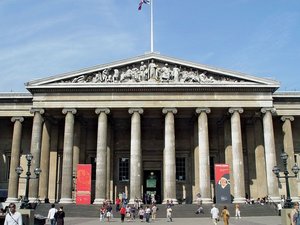 British Museum |
London | 3 | Napoleon at the battle of Marengo, Napoleon at the battle of Austerlitz, Allegory of Napoleon's Coronation |
Svako originalno delo umetnika François Anne David na ovoj stranici nastalo je 1806: evo ih, počevši od najpoznatijih.
Izaberite godinu da biste videli originalna dela.
Napoleon at the battle of Marengo (1806), British Museum, London. Slede Napoleon at the battle of Austerlitz (1806) i Allegory of Napoleon's Coronation (1806).
65 godina: Napoleon at the battle of Marengo datira iz 1806, a François Anne David je rođen/a 1741.
Naš katalog sadrži 3 dela umetnika François Anne David.
Većinom u British Museum (London). Tabela muzeja iznad sadrži njih sve.
U 1806: 3 od 3 dela na ovoj stranici nastalo je tada, od čega je Napoleon at the battle of Marengo.
Napoleon at the battle of Marengo, Napoleon at the battle of Austerlitz i Allegory of Napoleon's Coronation: British Museum, London čuva 3 dela sa ove stranice.
The brushstrokes of François Anne David capture a France in the throes of profound transformation. Working through the late eighteenth and early nineteenth centuries, his life spans the volatile transition from the old order to the rise of the Napoleonic era. He does not merely paint; he documents the shifting tides of power through a lens of historical precision. His presence in the art world is felt most strongly in the way his work intersects with the political gravity of his time.
His output is inextricably linked to the visual language of the French Empire. As the political landscape shifted under Napoleon, David’s work became a medium for recording the grand narratives of the state. He operated during a period where art was a primary tool for legitimizing new regimes and defining national identity.
The historical record places his activity at the heart of a changing Europe. His work reflects the tension between the classical traditions of the past and the urgent, often violent, demands of a new imperial age. He was a figure of his era, navigating the complexities of a nation redefining itself through war and conquest.
His contributions to the visual history of France include:
To look at the work of François Anne David is to see the mechanics of history in motion. He was active during a time when the image was a vital component of political communication. His ability to translate the movements of leaders and the atmosphere of an empire into a visual format ensured his place within the historical record. He remains a figure whose work is inseparable from the era of Napoleon Bonaparte.

