


1


Ažurirano: новембар 2026 · rangirano prema našem koeficijentu popularnosti (pretrage, posete i porudžbine za svako delo) · 8 dela Domenico Corvi u našem katalogu
Ukratko
Od svih originala koje je Domenico Corvi ostavio, najpoznatiji je The Glorification of Andrea Doria (1750), koji se nalazi u kolekciji Minneapolis Institute of Art, Minneapolis. Odmah za njima slede Camillus and the Schoolmaster of Falerii (1764) i Allegory of Painting (1764). Naš katalog sadrži 8 dela umetnika Domenico Corvi; galerija je čuvala 8 dela koja svet najviše admira, od kojih je svako prikazano sa svojim datumom, muzejom i pričom.


6 muzeja u kojima se nalazi najviše slika sa ove stranice.
| Muzej | Grad | Radovi umetnika Domenico Corvi | Slike iz ovog spiska |
|---|---|---|---|
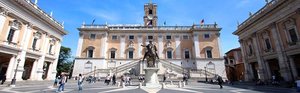 Kapitolinski muzeji |
Rim | 2 | Camillus and the Schoolmaster of Falerii, The Vestal Tuccia |
 Minneapolis Institute of Art |
Minneapolis | 1 | The Glorification of Andrea Doria |
 Walters Art Museum |
Baltimore | 1 | Allegory of Painting |
 Scottish National Portrait Gallery |
Edinburg | 1 | David Allan, 1744 - 1796. Artist |
 Accademia di San Luca |
Rim | 1 | Self-portrait |
 Muzej finih umetnosti u Bostonu |
Boston | 1 | Virgin and Child |
Izaberite deceniju da biste videli original koji je definiše.
The Glorification of Andrea Doria (1750), Minneapolis Institute of Art, Minneapolis. Slede Camillus and the Schoolmaster of Falerii (1764) i Allegory of Painting (1764).
29 godina: The Glorification of Andrea Doria datira iz 1750, a Domenico Corvi je rođen/a 1721.
Naš katalog sadrži 8 dela umetnika Domenico Corvi, datiranih od 1750 do 1803.
Većinom u Kapitolinski muzeji (Rim), Minneapolis Institute of Art (Minneapolis) i Walters Art Museum (Baltimore). Tabela muzeja iznad sadrži njih sve.
U 1760s: 2 od 8 dela na ovoj stranici nastalo je tada, od čega je Camillus and the Schoolmaster of Falerii.
Na ovoj stranici, najstarije delo je iz The Glorification of Andrea Doria (1750), a najnovije iz Self-portrait (1803).
Camillus and the Schoolmaster of Falerii i The Vestal Tuccia: Kapitolinski muzeji, Rim čuva 2 dela sa ove stranice.
Domenico Corvi was an Italian painter active during the close of the 18th century. Born in Viterbo, he moved to Rome to work under Francesco Mancini. His early career involved works in Viterbo and Palestrina, as well as the decoration of churches in and around Rome. In 1750, he won first prize at the Accademia di San Luca, later becoming a full member in 1756. During this time, he returned to his native Viterbo to participate in decorating the church of the Gonfalone, contributing roundels of the apostles Saints Simon and Jude and a scene of the Beheading of Saint John the Baptist.
Corvi's professional journey included significant commissions for various patrons. His works include:
In his later years, Corvi engaged in church decoration throughout Italy, spanning from Ravenna to Pisa, and from Venice to Spoleto. His ecclesiastical commissions included large canvases for the Cathedral of St. Ursus in Solothurn, Switzerland, featuring The Last Supper, the Coronation of the Virgin, the Incredulity of Saint Thomas, and the Pentecost.
Corvi held several official positions within the Accademia di San Luca. From 1757, he served as the director of the Scuola del Nudo at Campodoglio. His pupils included Giuseppe Cades, Francesco Alberi, and Vincenzo Camuccini. He died in Rome.