


1


Ažurirano: новембар 2026 · rangirano prema našem koeficijentu popularnosti (pretrage, posete i porudžbine za svako delo) · 23 dela Barnett Samuel Marks u našem katalogu
Ukratko
John Hemingway (1795–1872) (1860) je slika autora Barnett Samuel Marks koja privlači najviše pogleda. Nakon toga, pogled se seli na The Dock, a Reminiscence of the Court (1871) i Board School Children (1874). Među 23 dela umetnika Barnett Samuel Marks u našem katalogu, ovih 23 su najpoznatija, od kojih je svako jedinstveni original predstavljen sa godinom nastanka, muzejom i razlogom zbog kojeg je i danas neprocenjivo.


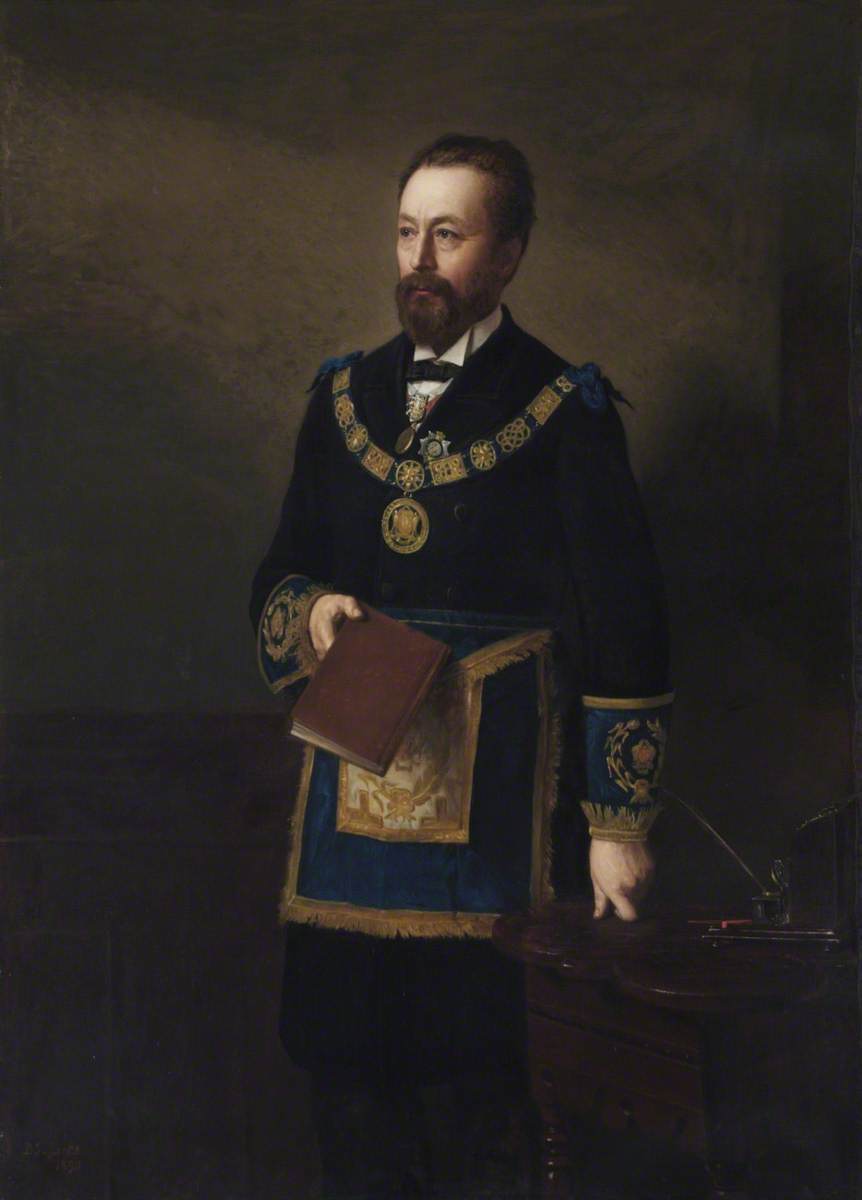


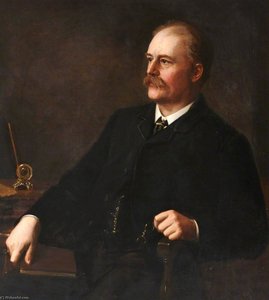 John Allen Brown (1833–1903), FRGS, First Chairman of the Ealing Free Library1888 · Ealing Central Library
12
 Alderman Andrew Fulton, Mayor of Cardiff (1884–1885)1895
13
 Edward (1837–1898), 1st Earl of Lathom and 2nd Baron Skelmersdale, GCB1893 · The Library And Museum of Freemasonry
14
 Alderman Daniel Lewis, JP, Mayor of Cardiff (1890–1891)1893
15
 David Duncan1899 · Llyfrgell Genedlaethol Cymru / The National Library of Wales
16
 Joseph Edwards (1814–1882)
17
 Daniel Thomas (1849–1884)
18
 Sir Edward Montague Nelson, Esq. (1841–1919), JP, CC
19
 The Right Honourable Lord Aberdare (1815–1895)
20
 Self PortraitEaling Central Library
21
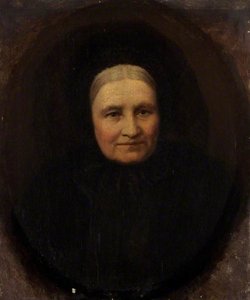 Mrs Mary Frost at the Age of 80Victoria Art Gallery
22
 Saved from the Streets, Portraits of Boys on Board the 'Chichester' Training Ship In Deep Mire Where There is No StandingNational Maritime Museum
23
 Saved from the Streets, Portraits of Boys on Board the 'Chichester' Training Ship Escape as a Bird out of the Snare of the FowlerNational Maritime Museum
6 muzeja u kojima se nalazi najviše slika sa ove stranice.
| Muzej | Grad | Radovi umetnika Barnett Samuel Marks | Slike iz ovog spiska |
|---|---|---|---|
 The Library And Museum of Freemasonry |
London | 6 | Sir John Braddick Monckton (1832–1902), HRH George (1762–1830), Prince of Wales, KG, HRH Augustus Frederick (1773–1843), Duke of Sussex |
 Llyfrgell Genedlaethol Cymru / The National Library of Wales |
Aberystwyth | 2 | Reverend Edward Matthews (1813–1892), David Duncan |
 Ealing Central Library |
London | 2 | John Allen Brown (1833–1903), FRGS, First Chairman of the Ealing Free Library, Self Portrait |
 National Maritime Museum |
London | 2 | Saved from the Streets, Portraits of Boys on Board the 'Chichester' Training Ship In Deep Mire Where There is No Standing, Saved from the Streets, Portraits of Boys on Board the 'Chichester' Training Ship Escape as a Bird out of the Snare of the Fowler |
 Walker Art Gallery |
Liverpud | 1 | The Dock, a Reminiscence of the Court |
 Victoria Art Gallery |
Bath | 1 | Mrs Mary Frost at the Age of 80 |
Izaberite deceniju da biste videli original koji je definiše.
John Hemingway (1795–1872) (1860). Slede The Dock, a Reminiscence of the Court (1871) i Board School Children (1874).
33 godina: John Hemingway (1795–1872) datira iz 1860, a Barnett Samuel Marks je rođen/a 1827.
John Hemingway (1795–1872), The Dock, a Reminiscence of the Court, Board School Children, Sir John Braddick Monckton (1832–1902), HRH George (1762–1830), Prince of Wales, KG, HRH Augustus Frederick (1773–1843), Duke of Sussex, Frederic Davison (c.1815–1889), Thomas Fenn (1820–1901), Reverend Dr Thomas Davies i Reverend Edward Matthews (1813–1892). Gornji rang pokazuje godinu i muzej za svako od njih.
Naš katalog sadrži 23 dela umetnika Barnett Samuel Marks, datiranih od 1860 do 1899.
Većinom u The Library And Museum of Freemasonry (London), Llyfrgell Genedlaethol Cymru / The National Library of Wales (Aberystwyth) i Ealing Central Library (London). Tabela muzeja iznad sadrži njih sve.
U 1880s: 7 od 23 dela na ovoj stranici nastalo je tada, od čega je Sir John Braddick Monckton (1832–1902).
Na ovoj stranici, najstarije delo je iz John Hemingway (1795–1872) (1860), a najnovije iz David Duncan (1899).
Sir John Braddick Monckton (1832–1902), HRH George (1762–1830), Prince of Wales, KG i HRH Augustus Frederick (1773–1843), Duke of Sussex: The Library And Museum of Freemasonry, London čuva 6 dela sa ove stranice.
Barnett Samuel Marks (1827-1916) stands as a compelling figure in 19th and early 20th century British art, a painter whose career unfolded across Cardiff and London, marked by both the refinement of classical portraiture and a growing engagement with social issues. Born into a prominent Jewish family deeply rooted in Welsh commerce and culture, Marks’ life was one of artistic ambition tempered by familial obligations and a keen awareness of his community's evolving role within British society. His legacy lies not just in the elegant portraits he created – many commissioned by wealthy patrons – but also in the poignant depictions of poverty and childhood that emerged later in his career, revealing a sensitive artist grappling with the complexities of his time.
Marks’ early life in Cardiff was one of privilege and cultural immersion. The Marks family were significant figures in the city's burgeoning Jewish community, involved in trade, finance, and social affairs. Barnett received a private education, supplemented by artistic instruction, demonstrating an early aptitude for both music and painting. He quickly established himself as a portrait artist, catering to a clientele that included members of Cardiff’s elite – the Marchioness of Bute being particularly influential in his career. His style during this period leaned heavily towards the neoclassical tradition, characterized by meticulous detail, balanced compositions, and an emphasis on capturing the dignity and character of his subjects. These early portraits, often depicting nobility and prominent figures, showcase a mastery of technique and a keen eye for likeness – qualities that secured him recognition at the Royal Academy in London.
A pivotal moment in Marks’ artistic development occurred during the 1860s, coinciding with his move to London. The experience of urban poverty – particularly the plight of children – profoundly impacted him. Witnessing the stark realities of Victorian society fueled a desire to depict these issues through his art. This shift is most dramatically illustrated by his series of diptychs depicting young boys before and after their rescue by Dr. Barnardo’s Homes. These works, characterized by their emotional intensity and unflinching portrayal of hardship, marked a significant departure from the idealized portraits that had defined much of his earlier career.
The reception to these social realist paintings was notably positive, with critics praising Marks' ability to convey empathy and compassion. Ruskin himself offered encouragement, recognizing the power of his work to raise awareness about the plight of vulnerable children. This period demonstrated a willingness to engage with contemporary social concerns – a characteristic that distinguished him from many of his contemporaries.
Barnett Samuel Marks' career continued to flourish throughout the late 19th and early 20th centuries. In 1887, he was elected a full member of the Royal Cambrian Academy, a prestigious honor that recognized his contributions to Welsh art. This affiliation solidified his position within the artistic community and provided him with further opportunities for exhibition and recognition. He remained active in Cardiff, supporting local initiatives and continuing to paint portraits on commission.
Beyond portraiture, Marks also engaged in landscape painting, often depicting scenes of the Welsh countryside – a reflection of his strong ties to his birthplace. His later works demonstrate a growing interest in capturing the atmospheric qualities of light and shadow, suggesting an evolving artistic sensibility. He was a member of Freemasonry for over 50 years, serving as Master of the Buckingham and Chandos Lodge, further cementing his place within London’s social and cultural elite.
Barnett Samuel Marks’ artistic legacy is complex and multifaceted. He was a skilled portraitist who successfully navigated the conventions of Victorian society, capturing the likenesses of prominent figures with technical precision and elegance. However, he was also an artist willing to confront social issues and express his compassion for those less fortunate. His shift towards social realism represents a significant moment in his career – a testament to his artistic integrity and his commitment to using art as a means of engaging with the world around him.
Marks’ work offers valuable insights into Victorian society, reflecting both its wealth and its poverty, its formality and its compassion. His paintings serve as reminders of a time when artists were increasingly expected to engage with social concerns – a tradition that continues to resonate today. Barnett Samuel Marks remains an important figure in British art history, a painter whose career spanned decades and whose work continues to be studied and appreciated for its technical skill, emotional depth, and historical significance.
Further Resources: