1


Ažurirano: новембар 2026 · rangirano prema našem koeficijentu popularnosti (pretrage, posete i porudžbine za svako delo) · 1 dela Aldus Pius Manutius u našem katalogu
Ukratko
Za ljubitelje galerije, najpoznatije delo umetnika Aldus Pius Manutius je Poliphilus in a Wood (1499), čiji se original nalazi u muzeju British Museum, London. Od 1 dela umetnika Aldus Pius Manutius u našem katalogu, galerija u nastavku predstavlja 1 najpoznatijih dela, od kojih je svako originalno, sa navedenom godinom nastanka, muzejom i onim što ga čini jedinstvenim.
1 muzeja u kojima se nalazi najviše slika sa ove stranice.
| Muzej | Grad | Radovi umetnika Aldus Pius Manutius | Slike iz ovog spiska |
|---|---|---|---|
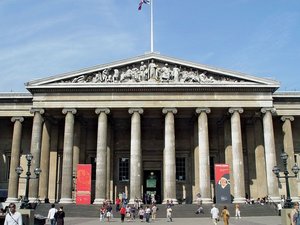 British Museum |
London | 1 | Poliphilus in a Wood |
Svako originalno delo umetnika Aldus Pius Manutius na ovoj stranici nastalo je 1499: evo ih, počevši od najpoznatijih.
Izaberite godinu da biste videli originalna dela.
Poliphilus in a Wood (1499)
50 godina: Poliphilus in a Wood datira iz 1499, a Aldus Pius Manutius je rođen/a 1449.
Naš katalog sadrži 1 dela umetnika Aldus Pius Manutius.
Većinom u British Museum (London). Tabela muzeja iznad sadrži njih sve.
In the vibrant, intellectual crucible of the Italian Renaissance, few figures shaped the landscape of human thought as profoundly as Aldus Pius Manutius. Born in Bassano del Grappa around 1449, Manutius was not a painter of canvases or a sculptor of marble, yet he was a master of a different kind of medium: the printed word. His life was a grand odyssey of classical devotion, beginning in the halls of Rome's Faculty of Arts, where he studied under the esteemed Battista Guarino. This early immersion in the elegance of Greek and Latin scholarship instilled in him a lifelong reverence for the purity of ancient texts—a passion that would eventually transform the very way humanity consumes knowledge.
As a young man, Manutius moved through the prestigious humanist circles of Ferrara, serving as a tutor to the children of Duke Federico da Montefeltro. This period of pedagogical service was more than mere employment; it was an era of deep intellectual cultivation. He walked alongside the greatest minds of his age, absorbing the nuances of classical rhetoric and the urgent need for the preservation of vanishing manuscripts. However, the quiet life of a scholar could not contain his entrepreneurial spirit. In 1489, driven by a vision to bridge the gap between ancient wisdom and a growing literate public, he turned his gaze toward Venice, the burgeoning maritime and commercial heart of Europe.
The founding of the Aldine Press in Venice marked a seismic shift in the history of communication. Partnering with brilliant minds like Andrea Torresano, Manutius did not merely seek to print books; he sought to reinvent them. Before his intervention, books were often massive, cumbersome folios designed for heavy lecterns in monastic libraries. Manut::us envisioned a more intimate relationship between reader and text. He pioneered the enchiridia—small, portable book formats that served as the true ancestors of the modern paperback. These pocket-sized volumes allowed scholars to carry the wisdom of the ancients into the streets, the gardens, and the cafes, democratizing reading in a way previously unimagined.
His technical innovations were equally breathtaking. Manutius was a pioneer of the italic typeface, a graceful, slanted script inspired by the fluid humanist handwriting of his era. This was not merely an aesthetic choice; it was a functional triumph that allowed for more text to be packed onto a page without sacrificing legibility. Furthermore, his dedication to Greek scholarship was unparalleled. At a time when printing Greek characters was considered prohibitively complex, Manutius commissioned specialized typefaces to ensure that the works of Aristotle and Aristophanes could be read in their original, unadulterated forms. His meticulous attention to detail even extended to the standardization of punctuation, introducing the comma and semicolon to provide a rhythmic, musical flow to the written word.
The impact of the Aldine Press resonated far beyond the borders of Venice. The reputation for accuracy and scholarly rigor was so immense that even the great Dutch philosopher Erasmus sought Manutius out to publish his translations. Through the Aldine Press, the Renaissance was not just a period of artistic flourishing, but a period of widespread intellectual dissemination. Manutius provided the infrastructure for the Reformation and the Scientific Revolution by ensuring that ideas could travel faster and further than ever before.
Though he passed away in 1515, the echoes of his work remain embedded in every book we hold today. His achievements can be summarized through several enduring contributions:
Aldus Pius Manutius remains a titan of the Renaissance—a man who understood that while art may capture the eye, it is the printed word that captures the soul of an era.