Early Renaissance · 1448
St Agnes (Zanobi Strozzi, 1448)
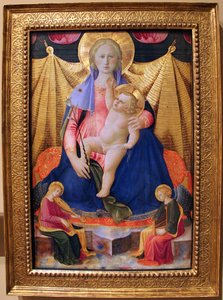
Zanobi Strozzi (1412–1468) je napravio St Agnes. Datirano je iz 1448. Pripada pokretu Early Renaissance. Izrađeno je u Tempera On Panel. Čuva se u muzeju Samostan San Marko u mestu Firenca, Italija. Dimenzije su 63 × 47 cm.
- 1448
- Tempera On Panel
- 63 × 47 cm
- Samostan San Marko, Firenca

 Pregledaj u prostoru

 Ručno oslikano uljanim bojama
 Pošalji
 Podeli
 Informativni list za štampu


 Preuzmi
 Slični predmeti
 Rendgenski snimak
 Automatska prezentacija
 Pitanja i odgovori

 Statistika
St Agnes, ukratko
- Naslov
- St Agnes
- Umetnik
- Zanobi Strozzi (1412–1468)
- Mesto rođenja umetnika
- Фиренца, Италија
- Datum
- 1448
- Tehnika
- Tempera On Panel
- Dimenzije
- 63 × 47 cm
- Gde se može videti
- Samostan San Marko, Firenca, Italija
- Pokret
- Early Renaissance
- Period
- Renaissance
- Tema
- st agnes, zanobi strozzi, renaissance art, tempera panel, religious painting, italian art
Šta prikazuje St Agnes?
Zanobi Strozzi’s ‘St Agnes’: A Florentine Echo of Devotion
The tempera panel painting, “St Agnes,” attributed to Zanobi Strozzi and completed in 1448, is more than simply a depiction of a saint; it's a meticulously crafted window into the artistic sensibilities of early Renaissance Florence. Measuring just 63 x 47 cm, this work housed within the Museo di San Marco possesses an intimate quality that draws the viewer into its serene and profoundly devotional world. Strozzi, a pupil of the celebrated Fra Angelico, established himself as a master of detail and color, creating works imbued with a quiet spirituality that resonated deeply during his time.
- Subject & Narrative: The painting portrays Saint Agnes, martyred for her refusal to succumb to pagan temptations. The narrative is conveyed through the saint’s posture – dignified yet vulnerable – and the surrounding symbolic elements.
- Technique - Tempera on Panel: Strozzi's masterful use of tempera paint on a wooden panel creates a remarkable depth and luminosity. This technique, favored for its durability and ability to achieve rich colors, is evident in the subtle gradations of tone and the meticulous rendering of textures – from the folds of Agnes’ cloak to the intricate patterns adorning her surroundings.
A Symphony of Color and Decorative Detail
The visual impact of “St Agnes” stems largely from Strozzi's bold use of color and his extraordinary attention to decorative detail. Predominantly employing shades of blue, red, and gold – colors deeply associated with piety and royalty in the late medieval period – he constructs a complex tapestry of patterns that frame the central figure. Swirls, floral motifs, and other decorative elements aren’t merely ornamental; they serve as a visual language, amplifying the saint's solemnity and invoking a sense of heavenly grace. The background isn’t a simple backdrop but an active participant in the narrative, contributing to the overall atmosphere of reverence.
Historical Context & Artistic Influences
Created during a period of immense artistic innovation in Florence – a time when artists were rediscovering classical ideals while simultaneously developing their own unique styles – “St Agnes” reflects the evolving aesthetic sensibilities of the era. Strozzi’s close association with Fra Angelico undoubtedly influenced his approach, sharing a commitment to clarity, emotional intensity, and a profound sense of spirituality. The painting's style aligns perfectly with the artistic trends of the Florentine Renaissance, showcasing a sophisticated understanding of perspective and proportion, albeit within the constraints of the tempera medium.
Symbolism & Emotional Resonance
Beyond its technical brilliance, “St Agnes” is rich in symbolism. The red cloak, traditionally associated with sacrifice and martyrdom, underscores the saint’s tragic fate. The serene expression on her face conveys a sense of acceptance and unwavering faith. The overall effect is one of profound contemplation – an invitation to reflect on themes of devotion, courage, and ultimately, redemption. This painting continues to resonate with viewers today, offering a tangible connection to the artistic and spiritual values of Renaissance Florence.
U kom muzeju se nalazi St Agnes?
Samostan San Marko
Firenca, Italija
Манастир Сан Марко: Усамљена оаза вере и уметности У самом срцу Флоренце, скривен од буке градске вреве, лежи Манастир Сан Марко – место где се дух Ренесансе испреплиће са дубоком религиозном преданошћу. Ово није само збирка ремек-дела; то је имерзивно путовање назад у петнаести век, позив да се замисли наслеђе Фра Анђелика и Ђиролама Савонароле у зидинама предивне, добро очуване доминаканске обитељи. Основан првобитно као манастир Валомброзијана у тринаестом веку, Сан Марко је трансформацију у живи центар хуманистичке мисли и уметничке иновације започео под покровитељством Козима де Медичија – пресудни тренутак који је обезбедио долазак реформисаног Доминиканског реда и увео еру неупоредиве креативности.


Slike visoke rezolucije za St Agnes
Zanobi Strozzi, St Agnes (1448), Samostan San Marko. Javno dobro.
Odgovori na pitanja o St Agnes
U kom muzeju se čuva originalni "St Agnes"?
Originalno delo „St Agnes”, autor Zanobi Strozzi čuva se u muzeju Samostan San Marko, Firenca, Italija. Reprodukcija omogućava da se ovo umetničko delo izloži u vašem domu.
U kojoj godini je nastalo delo „St Agnes”, autor Zanobi Strozzi?
„St Agnes“ potiče iz 1448. Ovaj datum smešta delo u okviru karijere umetnika Zanobi Strozzi i same ere.
U kojoj je tehnici izvedeno delo „St Agnes”, autor Zanobi Strozzi?
Zanobi Strozzi je koristio/la tehniku Tempera On Panel za delo "St Agnes". Ova tehnika definiše materijalnu prirodu originalnog dela.
Kolikih je dimenzija originalnog dela "St Agnes"?
„St Agnes“ u svom izvornom obliku ima dimenzije 63 x 47 cm. Originalne dimenzije su koristan pokazatelj pri odabiru veličine reprodukcije.
Šta predstavlja delo "St Agnes"?
„St Agnes”, autor Zanobi Strozzi prikazuje: st agnes, zanobi strozzi, renaissance art, tempera panel, religious painting, italian art, medieval text.
Da li se prikaz „St Agnes”, autor Zanobi Strozzi može slobodno reprodukovati?
„St Agnes”, autor Zanobi Strozzi pripada u javnom vlasništvu – autorska prava su istekla. Ovaj status određuje način na koji se slika dela može reprodukovati.
Ko je umetnik koji stoji iza dela "St Agnes"?
Delo "St Agnes" je kreirao/la Zanobi Strozzi. Informacije na ovoj stranici opisuju originalno delo umetnika Zanobi Strozzi.
Koji umetnički pravac obuhvata „St Agnes”, autor Zanobi Strozzi?
„St Agnes”, autor Zanobi Strozzi pripada pravcu Early Renaissance. Ovaj pravac pruža stilski kontekst dela.
U kom periodu karijere Zanobi Strozzi pripada delo "St Agnes"?
U okviru karijere umetnika Zanobi Strozzi, delo "St Agnes" pripada periodu Early Renaissance, što omogućava poređenje sa drugim radovima ovog autora.
O umetniku, Zanobi Strozzi
1412–1468, Италија
Zanobi Strozzi
Firentinski vizionar: Život i nasleđe Zanobija Strozija U zlatnom dobu firentinske renesanse, gde su svetlost i senka počele da plešu sa novonadvenom humanističkom dubinom, ime Zanobi Strozzi isplivalo je kao vitalna nit u umetničkom tapiseriji tog grada. Rođen 1412. godine u slavnu porodicu Strozzi, Zanobijev rani život oblikovali su duboki politički prevrati u Firenci. Iako ga je loza povezivala sa plemstvom, prerana smrt oca, kada je Zanobi imao svega petnaest godina, usmerila ga je ka drugačijoj sudbini.
O umetniku Zanobi Strozzi Istaknuta dela umetnika Zanobi Strozzi
Takođe i Zanobi Strozzi
 Madonna and Child with Angels1434
 Camaldolese Friars in Choir1450
 The Annunciation1442
 Virgin and Child with Four Angels and the Redeemer1450
Eseji o delu St Agnes
 From Gold to Gravity: Italo-Byzantine Style vs. the Proto-RenaissanceMaster the shift from Byzantine gold to Proto-Renaissance naturalism. Learn to spot the evolution of art history today.
 Italian early Renaissance paintersMasterpieces by Botticelli and Giotto define the Italian Early Renaissance. Explore the full collection online at OriginalUniqueArt.com.
 Divine Beauty: The 25 Most Iconic Masterpieces by Fra AngelicoJourney through the divine beauty of Fra Angelico's finest works. Explore 25 iconic Renaissance masterpieces, from ethereal frescoes to sac…