- Početna strana

- Reprodukcija uljane slike
- vincenzo scamozzi
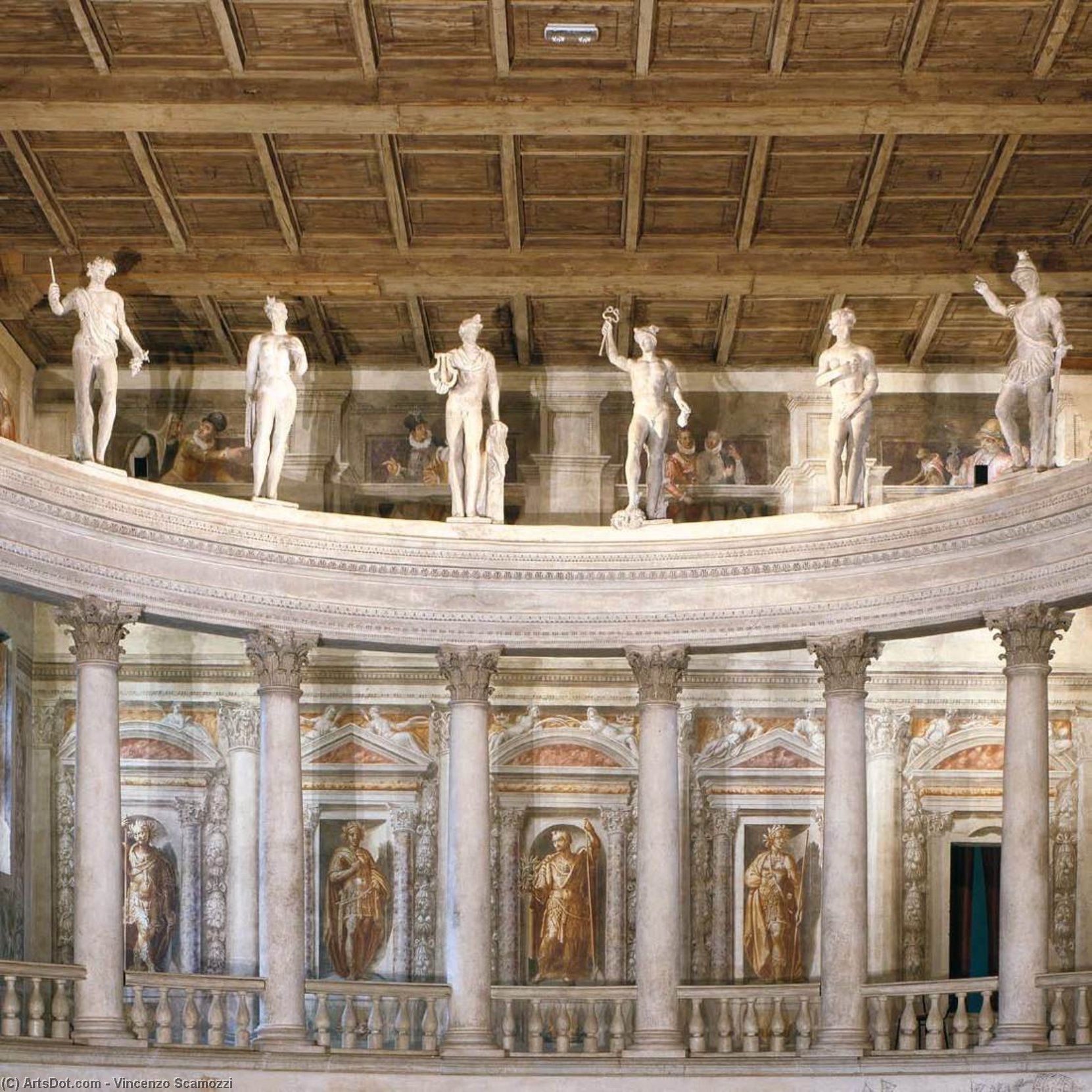
- Интерijer (детаљ)
 Kupi štampu Kupi digitalnu sliku
 Pošalji
 Podeli
 Detalji o delu
 Dodaj u omiljene

 Преузми
 Slični predmeti
 Rendgenski snimak
 Slajdovi
Интерijer (детаљ)


 Pročitaj više
Ručno rađena uljana reprodukcija
Ručno oslikano uljanim bojama na platnu u dimenzijama i okviru po vašem izboru, izrađeno po porudžbini od strane naših umetnika.




P118B $10

P118H $10

P118W $10

P438Z $10

P508JH $12

P508YH $12

P805H $10

P805Z $10

P919BZ $10

P919G $10

P919XJ $10

P959ZH $10

P968JZ $12

W106C $8

W218G $10

W218JH $8

W218Y $10

W307PJ $10

W316G $10

W316PJ $8

W316Y $10

W398PJ $8

W4111J $10

W500HY $15

W500JH $15

W692G $12

W849H $8

W940BG $15

W953PJ $8




Izaberite jednu od naših unapred definisanih veličina koje odgovaraju originalnim proporcijama umetničkog dela.

Можете унети сопствене димензије како бисте прилагодили дело одређеном оквиру или простору. Ако одабрана величина не одговара пропорцијама оригинала, слика ће бити исечена или проширена додатним елементима који се ручно насликавају. Дигитални prikaz ће вам бити послат на одобрење пре почетка производње.
Имајте на уму да преглед на екрану не одражава стварно исецање или проширење. Само приказ (mockup) ће тачно приказати коначну композицију.
Иако су доступне прилагођене величине, препоручујемо да одаберете димензију из дефинисане листе како бисте сачували оригиналне пропорције.
Nakon narudžbine, tim OriginalUniqueArt.com će klijentu putem e-pošte poslati uputstva i dostaviti prikaz predloženog rešenja
Isporuka širom sveta () za 3/4 nedelje umesto uobičajenih 5 nedelja. (19 јул). Bez kompromisa po pitanju kvaliteta.

Besplatna ekspresna dostava širom sveta

Visokokvalitetno laneno platno

Kompletno osiguranje transporta

Garancija povraćaja carine i uvoznih dažbina

Garancija vernosti boja

Politika povrata u roku od 60 dana (samo u slučaju nedostataka)

Garancija povrata novca od 100%

Popust pri grupnoj kupovini
 Opcija sa staklom dostupna je samo za dimenzije manje od 110 cm

Интерijer (детаљ)
Tehnika reprodukcije
Dimenzije reprodukcije
-


Konačna cena
-
Opis umetničkog dela
Унутрашност (детаљ) – Виченцо Скамози
Унутрашност је дивна архитектурална композиција из 1588. године, дело виченца Скамозија, која преноси дух ренесансе и римског класицизма. Ова велика радост за све љубитеље уметности и декорације представља детаљан приказ интерьера Саббионете театера, где се веома добро осећа елеганција и грандиознија архитектура. Изучавање ове слике може да доведе до познавања историјских контекста и утицаја ренесансне културе на уметност и декорацију.- Представљање: Ова велика радост за све љубитеље уметности и декорације представља детаљан приказ интерьера Саббионете театера, где се веома добро осећа елеганција и грандиознија архитектура. Слика је настала у време ренесансе и приказује велики театар који је био познат по својој лепоти и величини. Изучавање ове слике може да доведе до познавања историјских контекста и утицаја ренесансне културе на уметност и декорацију.
- Стил: Слика је настала у време ренесансе и приказује велики театар који је био познат по својој лепоти и величини. Она припада стилу класицизма, што се може видети у употреби елегантних облика и декоративних детаља као што су колонаде и фреске које су украшене античким мотивама.
- Техника: Слика је настала у време ренесансе и приказује велики театар који је био познат по својим елегантним облик и декоративним детаљима као што су колонаде и фреске које су украшене античким мотивама. Техника која је Скамозији прилагодио је ренесансна техника фрескирања, коју су познати уметници током тог времена користили да би створили велике и сложене слике које су обележиле своје време.
- Историјски контекст: Слика је настала у време ренесансе и приказује велики театар који је био познат по својој лепоти и величини. Саббионета театар је био веома важна културна институција у Италији током 16. века и представља пример ренесансне архитектуре која је била инспирисана античким идеалима и принципима.
- Симболизам: Слика је настала у време ренесансе и приказује велики театар који је био познат по својим елегантним облик и декоративним детаљима као што су колонаде и фреске које су украшене античким мотивама. Фреске су украшене фигурама античких богова и јурана, које представљају идеале лепоти и моћи који су били важни у ренесансној култури.
Biografija umetnika
Catharina van Hemessen: A Pioneering Voice in the Northern Renaissance
Before Rembrandt, before Rubens, there existed a woman who quietly yet powerfully shaped the artistic landscape of 16th-century Flanders – Catharina van Hemessen. Often overshadowed by her male contemporaries, she stands as a remarkable testament to female creativity and skill during a period when societal constraints severely limited women’s access to formal artistic training and recognition. Her legacy isn't one of grand, monumental works, but rather in the intimate portraits and devotional paintings that reveal a keen eye for detail, a subtle understanding of human emotion, and an early embrace of Renaissance ideals.
Born around 1528 in Antwerp – a vibrant hub of artistic activity during this era – Catharina’s life was inextricably linked to her father, Jan Sanders van Hemessen, a respected Mannerist painter. He served as her initial mentor, nurturing her nascent talent and providing her with the foundational skills necessary for her future endeavors. While details about her early childhood remain scarce, it's believed she received an education that extended beyond the typical domestic sphere for women of the time, likely involving exposure to artistic techniques through her father’s workshop. This privileged access was a rarity, as formal art training was almost exclusively reserved for men.
The prevailing attitudes towards female artists during this period were deeply restrictive. Artistic guilds, which controlled much of the professional landscape, largely excluded women. Furthermore, the accepted methods of artistic instruction – including dissection and study of the nude male form – presented significant obstacles to a woman’s pursuit of painting. Despite these challenges, Catharina persevered, demonstrating an exceptional aptitude for her craft. She skillfully navigated the social barriers, becoming one of the first documented female artists in Flanders to achieve professional recognition.
A Portraitist and Devotional Painter
Catharina's artistic output is characterized by a remarkable versatility, encompassing both portraiture and religious scenes. Her small-scale portraits, often depicting women from wealthy merchant families, are particularly noteworthy for their elegance and psychological depth. These weren’t simply likenesses; she captured the personalities of her subjects with subtle gestures, expressions, and carefully rendered clothing details. The 1548 self-portrait, now housed in the Kunstmuseum Basel, is a pivotal work in understanding her artistic development. It depicts her seated at an easel, engaged in the act of painting – a bold statement for its time and a testament to her confidence as an artist.
Beyond portraiture, Catharina produced a series of devotional paintings, often featuring Mary Magdalene or other female saints. These works demonstrate her ability to translate religious iconography into emotionally resonant images. Her use of color is restrained yet effective, creating a sense of serenity and contemplation. Notable examples can be found in the Rijksmuseum in Amsterdam and the National Gallery in London, showcasing her consistent quality across different commissions.
Influences and Artistic Style
Catharina’s artistic style reflects a synthesis of influences – primarily Mannerism, which was prevalent in Flanders at the time, and elements of early Renaissance humanism. She skillfully employed techniques learned from her father, incorporating his characteristic use of rich colors, dynamic compositions, and attention to detail. However, she also developed a distinct personal voice, evident in her nuanced portrayal of female subjects and her subtle integration of classical motifs.
The work of Jan Sanders van Hemessen undoubtedly shaped Catharina’s early development. She frequently collaborated with him on various projects, absorbing his techniques and artistic sensibilities. However, she quickly surpassed her father's style, demonstrating a greater independence and originality in her own paintings. The influence of Italian Renaissance artists, particularly those working in Florence, is also discernible in her compositions and use of perspective.
A Legacy of Quiet Innovation
Catharina van Hemessen’s impact on the art world may not be immediately apparent, but she played a crucial role in challenging conventional notions about women's roles as artists. As one of the earliest documented female Flemish painters, her existence alone defied societal expectations and paved the way for future generations of women to pursue careers in the arts. Her self-portrait stands as a powerful symbol of artistic ambition and self-expression – a testament to her courage and determination.
Despite the relative obscurity that has surrounded her life and work, Catharina van Hemessen’s legacy endures. Her paintings offer a valuable glimpse into the artistic practices of 16th-century Flanders and serve as a reminder of the often-overlooked contributions of women to the history of art. Further research continues to shed light on this fascinating artist, solidifying her place as a pioneering figure in the Northern Renaissance.

vincenzo scamozzi
1548 - 1616 , Italy
Osnovne informacije
- Artistic Movement Or Style: Northern Renaissance
- Artists Who Influenced This Artist: ['Jan Sanders van Hemessen']
- Date Of Birth: 1528
- Date Of Death: after 1565
- Full Name: Catharina van Hemessen
- Nationality: Flemish
- Notable Artworks:
- Self-Portrait
- Female portraits
- Religious compositions
- Place Of Birth: Antwerp, Belgium
Povezani članci
Baroque Painting's Greatest Hits: 10 Masterpieces for Your Home | OriginalUniqueArt
Journey through Baroque painting's glory! Explore 10 masterpieces by Caravaggio, Rembrandt & Vermeer. Discover dramatic lighting, rich colors & timeless stories. Find museum-quality art reproductions for your home at OriginalUniqueArt.com.
Neizbežni Platno: Preciznost Besprekorne Dizajn Integracije Umeća i Arhitekture za Harmonious Enterijere
Otkrijte savršenu integraciju umetnosti i arhitekture za enterijere iz snova! Ekskluzivni vodiči, stručni saveti i vrhunske reprodukcije slika. OriginalUniqueArt – transformišite vaš dom u inspirativan prostor.
Renesansna Genijalnost: 10 Remek Dela Koja Su Izjedili Umjetnost
Otkrijte 10 remek dela koje su obeležile ranu renesansu! Leonardo, Michelangelo, Rafael... Uronite u priče iza ovih umetničkih dragulja i inspirisanje za vaš dom. Kvalitetne reprodukcije na OriginalUniqueArt.com – istražite celu kolekciju online!
Beyond Decoration: Architectural Resonance of Fine Art Reproductions in Interior Design
Elevate hotel interiors with fine art reproductions that resonate architecturally. Discover how custom artwork & expert curation create unforgettable guest experiences. Explore Renaissance-inspired design solutions.

Барокна драма: Уношење величине и емоција у савремене ентеријере
Откријте барокну драму и унесите величину у ваш ентеријер! OriginalUniqueArt нуди ручно насликане репродукције, персонализоване портрете и стручне консултације за љубитеље класичне уметности. Потражите савршено дело већ данас!


