Expressionism · 1909
Homeric Laughter, First Version (Ловис Коринт, 1909)
Ловис Коринт (1858–1925) je napravio Homeric Laughter, First Version. Datirano je iz 1909. Pripada pokretu Expressionism. Izrađeno je u Oil On Canvas. Čuva se u muzeju Bayerische Staatsgemaldesammlungen u mestu Minhen, Nemačka. Dimenzije su 98 × 120 cm.
- 1909
- Oil On Canvas
- 98 × 120 cm
- Bayerische Staatsgemaldesammlungen, Minhen

 Pregledaj u prostoru

 Ručno oslikano uljanim bojama
 Pošalji
 Podeli
 Informativni list


 Preuzmi
 Slični predmeti
 Rendgenski snimak
 Automatska prezentacija
 Pitanja i odgovori

 Statistika
Homeric Laughter, First Version, ukratko
- Naslov
- Homeric Laughter, First Version
- Umetnik
- Ловис Коринт (1858–1925)
- Rođen/a u
- Гвардејск, Русија
- Datum
- 1909
- Tehnika
- Oil On Canvas
- Dimenzije
- 98 × 120 cm
- Gde se može videti
- Bayerische Staatsgemaldesammlungen, Minhen, Nemačka
- Pokret
- Expressionism
- Period
- 19th Century
- Tema
- nude figure, social gathering, conversation, greek mythology, laughter, domestic scene
Šta prikazuje Homeric Laughter, First Version?
A Moment of Shared Revelry: Unpacking “Homeric Laughter”
Lovis Corinth’s “Homeric Laughter,” painted in 1909, isn't merely a depiction of a gathering; it’s an invitation into a vibrant tableau of human connection and the intoxicating pleasure of shared experience. The painting immediately draws the eye with its scale – a generous 98 x 120 cm canvas – allowing for a complete immersion in the scene. Corinth masterfully captures a group of individuals, numbering at least thirteen, engaged in what appears to be an animated conversation or perhaps a lighthearted celebration. The central figure, a woman reclining on a bed, is undeniably the focal point, her exposed form not presented with overt sexuality but rather as a symbol of vulnerability and openness within this intimate setting. The surrounding figures – men and women alike, some standing, others seated or kneeling – contribute to a sense of communal warmth and relaxed conviviality.

The Expressionist Palette and Corinth’s Unique Style
Painted during a pivotal period in Corinth's artistic evolution, “Homeric Laughter” exemplifies his distinctive style – a potent blend of Impressionism and burgeoning Expressionism. He abandons the meticulous detail favored by earlier academic training, opting instead for bold brushstrokes, vibrant colors, and a deliberately loose application of paint. Notice how he uses color not to represent reality but to evoke feeling; the reds and oranges dominate, radiating warmth and suggesting an atmosphere of joyous abandon. Corinth’s technique is characterized by a dynamic layering of pigments, creating a sense of movement and immediacy. The figures aren't sharply defined; they are rendered with a slightly blurred quality, contributing to the painting’s overall dreamlike atmosphere. This approach was influenced by his travels through Paris and Antwerp, where he encountered artists like Rubens and Impressionists who challenged traditional artistic conventions.
Echoes of Homer and the Celebration of Human Connection
The title itself, “Homeric Laughter,” immediately connects the painting to the works of ancient Greek poet Homer. Homer’s epics are filled with scenes of feasting, drinking, and boisterous gatherings – celebrations of life, friendship, and human connection. Corinth's painting captures this spirit, suggesting a modern-day reimagining of these timeless themes. The objects scattered around the group—a bowl and a cup—further reinforce the idea of shared indulgence and communal enjoyment. The woman on the bed isn’t simply exposed; she embodies a state of relaxed vulnerability, inviting the viewer to contemplate the dynamics of intimacy and social interaction within this circle.
A Window into Corinth's Life and Artistic Journey
Lovis Corinth’s life was marked by both artistic triumph and personal hardship. Following a debilitating stroke in 1911, he adapted his technique, favoring his right hand and exploring themes of domesticity and family. “Homeric Laughter” can be viewed as a reflection of this evolving perspective – a celebration of the simple pleasures of life and the importance of human relationships. Corinth’s work is deeply personal, imbued with emotion and a profound understanding of the human condition. Reproductions of “Homeric Laughter” offer a captivating glimpse into his world, inviting viewers to share in his vision of joy, connection, and the enduring power of art.
U kom muzeju se nalazi Homeric Laughter, First Version?
Bayerische Staatsgemaldesammlungen
Minhen, Nemačka
Istorija Bayerische Staatsgemaldesammlungen Koreni Bayerische Staatsgemaldesammlungen duboko su ukorenjeni u 1799. godinu, kada je osnovana Centralgemäldegaleriedirektion. Smeštena u Minhenu, u srcu Nemačke, ova institucija je započela svoj put kao pažljivo odabrani prostor namenjen kraljevskim kolekcijama.


Slike visoke rezolucije za Homeric Laughter, First Version

Ловис Коринт, Homeric Laughter, First Version (1909), Bayerische Staatsgemaldesammlungen. Javno dobro.
Odgovori na pitanja o Homeric Laughter, First Version
Gde se danas može videti delo „Homeric Laughter, First Version”, autor Ловис Коринт?
Originalno delo „Homeric Laughter, First Version”, autor Ловис Коринт čuva se u muzeju Bayerische Staatsgemaldesammlungen, Minhen, Nemačka. Reprodukcija omogućava da se ovo umetničko delo izloži u vašem domu.
U kojoj godini je nastalo delo „Homeric Laughter, First Version”, autor Ловис Коринт?
Delo „Homeric Laughter, First Version”, autor Ловис Коринт nastalo je 1909.
Kojom tehnikom je izrađeno "Homeric Laughter, First Version"?
Tehnika dela „Homeric Laughter, First Version”, autor Ловис Коринт je Oil On Canvas. Reprodukcije imaju za cilj da dočaraju izgled ove tehnike.
Koje su dimenzije originalnog dela „Homeric Laughter, First Version”, autor Ловис Коринт?
Dimenzije originalnog dela „Homeric Laughter, First Version”, autor Ловис Коринт su 98 x 120 cm.
Šta prikazuje „Homeric Laughter, First Version”, autor Ловис Коринт?
„Homeric Laughter, First Version”, autor Ловис Коринт prikazuje: nude figure, social gathering, conversation, greek mythology, laughter, domestic scene, 19th century.
Da li je delo „Homeric Laughter, First Version”, autor Ловис Коринт u javnom vlasništvu?
Što se tiče autorskih prava, delo "Homeric Laughter, First Version" je u javnom vlasništvu – autorska prava su istekla.
Kome se pripisuje delo "Homeric Laughter, First Version"?
Autor dela "Homeric Laughter, First Version" je Ловис Коринт. Delo je katalogizovano pod imenom Ловис Коринт.
Koji umetnički pravac obuhvata „Homeric Laughter, First Version”, autor Ловис Коринт?
Umetnički pravac koji se povezuje sa delom „Homeric Laughter, First Version”, autor Ловис Коринт je Expressionism. Ova klasifikacija smešta rad među srodne umetnike i umetnička dela.
U kojoj periodi karijere umetnika Ловис Коринт pripada delo "Homeric Laughter, First Version"?
„Homeric Laughter, First Version“ pripada Mature Period u karijeri umetnika Ловис Коринт. Ova klasifikacija povezuje delo sa razvojem samog umetnika.
O umetniku, Ловис Коринт

1858–1925, Русија
Ловис Коринт
A Life Forged in Paint: The World of Lovis Corinth Lovis Corinth, born Franz Heinrich Louis on July 21, 1858, in the Prussian province of East Prussia, was a figure who embodied the tumultuous transition from the 19th to the early 20th-century art world. His journey wasn’t one of immediate acclaim but rather a gradual evolution fueled by relentless study, diverse influences, and ultimately, personal tragedy. Corinth's beginnings were rooted in the rural landscapes of his birthplace, Tapiau, where his father worked as a tanner. This early exposure to the physicality of labor and the raw beauty of nature would subtly permeate his later work, even amidst more sophisticated stylistic explorations.
Takođe i Ловис Коринт
 У кланицу1893
 Wilhelmine with a Ball1915
 Portrait of the Painter Paul Eugène Gorge1908
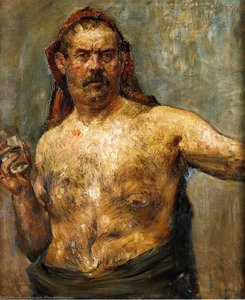 Self Portrait with a Glass1907

Eseji o delu Homeric Laughter, First Version
 19th Century Masterpieces: 10 Paintings That Defined an Era | OriginalUniqueArtJourney through 19th century art with OriginalUniqueArt! Explore 10 iconic paintings – from Monet & Renoir to Courbet – and discover the st…
 Romantic Realism's Finest: 10 Masterpieces for Your Home | OriginalUniqueArtExplore 10 defining masterpieces of Romantic Realism! Discover Courbet, Millet & Daumier's powerful paintings—capturing emotion and social …
 Lovis Corinth: Bridging Impressionism & Expressionism – A Study of Artistic EvolutionExplore the fascinating artistic journey of Lovis Corinth, a pivotal figure bridging Impressionism & Expressionism. Discover his evolution,…