Neoclassicism
Wesley (Džon Džekson)
Džon Džekson (1778–1831) je napravio Wesley. Pripada pokretu Neoclassicism. Izrađeno je u Oil On Canvas.
- Oil On Canvas

 Pregledaj u prostoru

 Ručno oslikano uljanim bojama
 Pošalji
 Podeli
 Informativni list za štampu


 Preuzmi
 Slični predmeti
 Rendgenski snimak
 Automatska prezentacija
 Pitanja i odgovori

 Statistika
Wesley, ukratko
- Naslov
- Wesley
- Umetnik
- Džon Džekson (1778–1831)
- Mesto rođenja umetnika
- Lastingam, Уједињено Краљевство
- Tehnika
- Oil On Canvas
- Pokret
- Neoclassicism
- Period
- Early Modern
- Tema
- portrait, clergy, dignified, formal, neoclassical, authority
Šta prikazuje Wesley?
Identification of the Portrait of Wesley
In this portrait, titled Wesley, the artist John Jackson presents a formal and dignified depiction of his subject. The work focuses on an elderly man, whose presence suggests the weight of a significant role, likely that of a clergyman or a judge. There is a quiet authority in his steady, contemplative expression, which meets the viewer with a sense of seasoned wisdom. The portrait captures a moment of stillness, focusing on the character and intellect of the sitter through a direct and serious gaze.
The subject is rendered in traditional clerical attire, which provides immediate insight into his social standing and professional life. He wears a long white wig and a black robe, accented by a stole that emphasizes his religious or judicial vocation. This specific choice of clothing, combined with the formal composition, establishes the sitter as a man of importance and discipline. The dark, indistinct background ensures that the viewer's attention remains fixed entirely upon the man and the textures of his garments.
Composition and Visual Elements
The composition is centered on the subject's head and shoulders, creating an immediate sense of presence. This focused arrangement draws the eye directly to the man's face, where a serious and contemplative expression suggests a life of deep thought. He is dressed in traditional clerical attire, characterized by a long white wig and a black robe that anchors the figure within the frame. The background remains dark and indistinct, a murky expanse that prevents distraction and pushes the subject into the foreground.
Lighting is used with a deliberate, dramatic intent. Strong highlights strike the face and the folds of the robes, carving out the form against the shadows. This chiaroscuro effect provides a sense of volume and weight to the figure. While the portrait feels intimate, the perspective is linear, utilizing subtle converging lines to suggest a sense of depth within the space. The interplay of light and shadow defines the contours of the clothing and the texture of the hair, grounding the figure in a tangible, physical reality.
Technique and Artistic Materials
The work is executed in oil paints on canvas, a choice that allows for a profound sense of depth and presence. Jackson employs a meticulous technique, characterized by careful observation and skillful brushwork that defines the contours of the face and the heavy folds of the clerical attire. There is a deliberate precision in how the light is handled, creating a sense of solidity through the careful application of pigment.
The texture of the piece is notably rich and layered. Through the use of impasto techniques, the artist has built up the surface to create a tangible quality, particularly visible in the rendering of the white wig and the heavy robes. This tactile approach provides a physical weight to the subject, ensuring that the interplay of light and shadow feels grounded and real rather than merely painted.
Related Works by John Jackson
Beyond this portrait, Jackson’s oeuvre reveals a consistent interest in the psychological depth of his subjects. His catalog includes Reginald Macdonald, a work that reflects his ability to handle formal portraiture. He also produced several self-portraits, which offer a more intimate look at the artist himself, providing a glimpse into his own character and the introspective nature of his practice. These works demonstrate his capacity to move between the public persona of a sitter and the private reality of the individual.
The artist’s technical range is further evidenced by his various studies, such as Flaxman. In these pieces, one can observe his command over oil textures and his specific approach to directional lighting. His ability to manipulate light and shadow is a recurring element across his various commissions. Whether working on a formal portrait or a focused study, Jackson maintained a commitment to capturing the essential presence of the person before him.
Slike visoke rezolucije za Wesley
Džon Džekson, Wesley. Javno dobro.
Odgovori na pitanja o Wesley
U kojoj je tehnici izvedeno delo „Wesley”, autor Džon Džekson?
Tehnika dela „Wesley”, autor Džon Džekson je Oil On Canvas. Reprodukcije imaju za cilj da dočaraju izgled ove tehnike.
Šta predstavlja delo "Wesley"?
Teme prisutne u delu „Wesley”, autor Džon Džekson obuhvataju portrait, clergy, dignified, formal, neoclassical, authority, wisdom, religious, što zajedno sažima suštinu ovog umetničkog dela.
Da li se prikaz „Wesley”, autor Džon Džekson može slobodno reprodukovati?
„Wesley”, autor Džon Džekson pripada u javnom vlasništvu – autorska prava su istekla. Ovaj status određuje način na koji se slika dela može reprodukovati.
Ko je umetnik koji stoji iza dela "Wesley"?
Autor dela "Wesley" je Džon Džekson. Delo je katalogizovano pod imenom Džon Džekson.
Koji umetnički pravac obuhvata „Wesley”, autor Džon Džekson?
Umetnički pravac koji se povezuje sa delom „Wesley”, autor Džon Džekson je Neoclassicism. Ova klasifikacija smešta rad među srodne umetnike i umetnička dela.
U kojoj fazi stvaralaštva umetnika Džon Džekson se nalazi delo "Wesley"?
U okviru karijere umetnika Džon Džekson, delo "Wesley" pripada periodu Mature Period, što omogućava poređenje sa drugim radovima ovog autora.
Da li je delo "Wesley" autora Džon Džekson u javnom vlasništvu i zašto?
„Wesley”, autor Džon Džekson je u u javnom vlasništvu – autorska prava su istekla. Autorska prava traju od smrti umetnika, koja se dogodila 1831.
Šta "Wesley" deli sa ostatkom stvaralaštva umetnika Džon Džekson?
„Wesley“ deli sa ostalim delima umetnika Džon Džekson svoj Neoclassicism stil i prepoznatljive teme: reflects jackson's skill, demonstrates mastery, typical of his portraits, established style, classical ideals, roman portraiture, neoclassical style, formal composition.
Na koji način se tema dela "Wesley" odnosi na uobičajene teme umetnika Džon Džekson?
Učestale teme umetnika Džon Džekson obuhvataju reflects jackson's skill, demonstrates mastery, typical of his portraits, established style, classical ideals, roman portraiture, neoclassical style, formal composition; delo "Wesley" fokusira se na portrait, clergy, dignified, formal, neoclassical, authority, wisdom, religious.
O umetniku, Džon Džekson
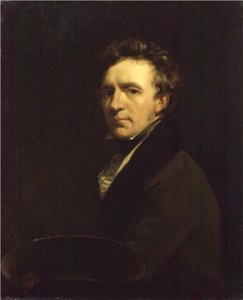
1778–1831, Уједињено Краљевство
Džon Džekson
Rano detinjstvo i šegrtovanje: Nevoljno početak Džon Džekson, rođen u šarmantnom jojrškom selu Lastingam 31. maja 1778. godine, krenuo je putem koji je bio daleko udaljen od njegove prvobitne sudbine. Njegov otac, praktični krojač, zamišljao je sličan zanat za svog sina, pa je mladi Džon na taj način i upućen na šegrtovanje.
O umetniku Džon Džekson Istaknuta dela umetnika Džon Džekson
Takođe i Džon Džekson
 Portrait of a Man1822
 Reverend William Holwell Carr1827
 Portrait of a Gentleman1810
 Frederick, Duke of York (1763-1827)1822
Eseji o delu Wesley
 The Artistry and Process of Bespoke Oil Painting: From Concept to CanvasMaster the technical artistry of bespoke oil painting from glazing to impasto. Discover the secrets of fine art commissions today.
 25 Essential Portraits by François Clouet: A Guide to His Finest WorksExplore 25 iconic François Clouet portraits from the French Renaissance. Discover the full collection online at OriginalUniqueArt.com.
 25 Essential John Collier Paintings: Iconic Portraits and Narrative ScenesExplore 25 iconic John Collier paintings and Pre-Raphaelite portraits. Discover the full collection online at OriginalUniqueArt.com.