Impressionistic Sketching
The Orchard (Џејмс Енсор)
Џејмс Енсор (1860–1949) je napravio The Orchard. Pripada pokretu Impressionistic Sketching. Izrađeno je u Acrylic On Canvas. Čuva se u muzeju Harvard Art Museums u mestu Kembriđ, Sjedinjene Američke Države.
- Acrylic On Canvas
- Harvard Art Museums, Kembriđ

 Pregledaj u prostoru

 Ručno oslikano uljanim bojama
 Pošalji
 Podeli
 Informativni list


 Preuzmi
 Slični predmeti
 Rendgenski snimak
 Automatska prezentacija
 Pitanja i odgovori

 Statistika
The Orchard, ukratko
- Naslov
- The Orchard
- Umetnik
- Џејмс Енсор (1860–1949)
- Rođen/a u
- Остенде, Белгија
- Tehnika
- Acrylic On Canvas
- Gde se može videti
- Harvard Art Museums, Kembriđ, Sjedinjene Američke Države
- Period
- Early Medieval
- Tema
- orchard, landscape, sketch, trees, rural, sketching
Šta prikazuje The Orchard?
A Silent Orchard’s Echoes: James Ensor's "The Orchard"
James Ensor’s “The Orchard,” painted in 1886, isn’t merely a depiction of a rural landscape; it’s a carefully constructed psychological portrait rendered with the unsettling precision that defined the artist’s unique vision. Born in Ostend, Belgium, amidst a vibrant carnival scene – a world of masks and theatricality – Ensor carried this fascination throughout his career, translating its inherent ambiguity into his art. “The Orchard” embodies this perfectly, presenting a seemingly tranquil vista that immediately hints at something deeper, something subtly unsettling beneath the surface. The painting’s monochrome palette—a carefully orchestrated dance of grays—immediately establishes an atmosphere of quiet contemplation and restrained emotion. It's not a celebration of nature’s beauty in its purest form, but rather a considered observation filtered through Ensor’s intensely personal lens.Composition and Technique: A Sketch from the Soul
The composition is deceptively simple, yet profoundly effective. A modest building—perhaps a farmhouse or a small dwelling—nestles within a cluster of trees that recede into a hazy distance. The arrangement isn’t one of dramatic perspective; instead, it feels like a quick sketch, an impression captured in charcoal or pencil – a deliberate choice by Ensor to convey immediacy and spontaneity. Notice the visible strokes, the delicate layering of lines that build up form and texture. This technique—a hallmark of Ensor's style—is not about meticulous detail but rather about capturing the *feeling* of the scene, the way light falls on bark and shadow plays across leaves. The use of hatching and cross-hatching creates a tactile quality, inviting the viewer to almost reach out and touch the surface of the painting. The artist’s hand is undeniably present, lending an intimate and slightly melancholic quality to the work.Symbolism and the Weight of Memory
While seemingly straightforward, “The Orchard” bristles with symbolic weight. The muted colors, the solitary building, and the dense foliage all contribute to a sense of isolation and introspection. Considering Ensor’s background—his childhood spent amidst the spectacle of carnival masks – it's not surprising that this motif reappears here, albeit subtly. The orchard itself can be interpreted as a metaphor for memory, a place where fragments of the past are preserved and revisited. The building, small and unassuming, suggests a retreat from the world, a space for quiet contemplation—or perhaps, for dwelling on unresolved emotions. The lack of vibrant color further reinforces this sense of melancholy, suggesting that even in a beautiful setting, there’s an underlying sadness.Historical Context & Influences
- Ensor's work is often associated with the Symbolist movement and foreshadows Expressionism, emphasizing emotional intensity over realistic representation.
- His use of masks and theatrical elements reflects a broader interest in exploring the darker aspects of human psychology.
- The painting’s stark monochrome palette aligns with the artistic trends of late 19th-century Europe, where artists sought to move beyond traditional academic styles.
An Emotional Resonance: A Quiet Contemplation
Ultimately, “The Orchard” is a profoundly moving work that transcends its simple subject matter. It’s not a painting about apples or trees; it's a painting about the human condition—about memory, loss, and the quiet beauty of solitude. The subdued colors and expressive brushstrokes evoke a sense of melancholy and introspection, inviting viewers to contemplate their own personal histories and emotional landscapes. Reproductions of this piece offer a remarkable opportunity to bring this evocative atmosphere into any space, providing a focal point for reflection and conversation. It’s a testament to Ensor's genius that a seemingly simple orchard can hold such profound depth and resonance.U kom muzeju se nalazi The Orchard?
Harvard Art Museums
Kembriđ, Sjedinjene Američke Države
Istorija Harvard Art Museums Harvard Art Museums postoje kao integralni deo Univerziteta Harvard. Današnji oblik ove institucije nastao je 1983. godine integracijom tri zasebna entiteta.


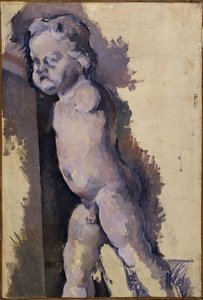
Slike visoke rezolucije za The Orchard
Џејмс Енсор, The Orchard, Harvard Art Museums. Javno dobro.
Odgovori na pitanja o The Orchard
Gde mogu videti originalno delo „The Orchard”, autor Џејмс Енсор?
Originalno delo "The Orchard" možete videti u muzeju Harvard Art Museums, Kembriđ, Sjedinjene Američke Države.
Kojom tehnikom je izrađeno "The Orchard"?
"The Orchard" je urađeno u tehnici Acrylic On Canvas.
Šta predstavlja delo "The Orchard"?
Motivi dela "The Orchard" su orchard, landscape, sketch, trees, rural, sketching, monochrome.
Da li je "The Orchard" slobodan od autorskih prava?
Što se tiče autorskih prava, delo "The Orchard" je u javnom vlasništvu – autorska prava su istekla.
Kome se pripisuje delo "The Orchard"?
Autor dela "The Orchard" je Џејмс Енсор. Delo je katalogizovano pod imenom Џејмс Енсор.
Koji umetnički pravac pripada delu "The Orchard"?
„The Orchard”, autor Џејмс Енсор pripada pravcu Impressionistic Sketching. Ovaj pravac pruža stilski kontekst dela.
U kom periodu karijere Џејмс Енсор pripada delo "The Orchard"?
„The Orchard“ pripada Late Period u karijeri umetnika Џејмс Енсор. Ova klasifikacija povezuje delo sa razvojem samog umetnika.
Šta objašnjava status autorskih prava za „The Orchard”, autor Џејмс Енсор?
„The Orchard”, autor Џејмс Енсор je u u javnom vlasništvu – autorska prava su istekla. Autorska prava traju od smrti umetnika, koja se dogodila 1949.
Da li se „The Orchard”, autor Џејмс Енсор čuva u matičnoj zemlji umetnika?
Ne – umetničko delo se nalazi u inostranstvu. Delo „The Orchard“ se čuva u državi Sjedinjene Američke Države, dok je Џејмс Енсор rođen/a u državi Белгија.
O umetniku, Џејмс Енсор

1860–1949, Белгија
Џејмс Енсор
James Ensor: A Pioneer of Expressionism and SurrealismJames Sidney Edouard, Baron Ensor (Ostend, 13 April 1860 – 19 November 1949) was a Belgian painter and printmaker who stands as one of the most influential figures in the development of Expressionism and Surrealism. Born into an English father and Belgian mother amidst the vibrant atmosphere of Ostend’s seaside resort town, Ensor’s upbringing instilled within him a profound fascination with observation and detail—a foundation upon which he would construct his distinctive artistic vision.Early Influences and Artistic TrainingFrom a young age, Ensor demonstrated an exceptional talent for drawing and painting. Encouraged by his parents' operation of a souvenir shop brimming with curiosities and carnival masks – a veritable cabinet of wonders that ignited his imagination – he pursued formal artistic training at the Académie Royale des Beaux-Arts in Brussels. Despite encountering resistance from the rigid academic conventions of the time, Ensor quickly recognized the necessity of forging his own path, prioritizing experimentation and personal expression above all else.The Emergence of Grotesque VisionAround 1886–87, Ensor embarked on a transformative artistic journey, rejecting Impressionistic ideals in favor of a bold embrace of grotesque imagery.
Takođe i Џејмс Енсор
 Уљећење Христа у Брсел1888
 Portret sa Maskama1899
 Kupališta u Ostendu
 Skeleti koji se greju1889
Eseji o delu The Orchard
 19th Century Masterpieces: 10 Paintings That Defined an Era | OriginalUniqueArtJourney through 19th century art with OriginalUniqueArt! Explore 10 iconic paintings – from Monet & Renoir to Courbet – and discover the st…
 The Impressionist’s Sanctuary: Light and Water in Monet’s Giverny GardenExplore Monet's Giverny through expert analysis of his light and water techniques. Step into the master's garden today.
 Emotional Transmutation in Visual Art: A Study of Affective Representation Through Color, Form, and TextureExplore the fascinating intersection of art & emotion! Discover how color, form, and texture convey feelings in masterpieces. Expert analys…