Romanticism · 1800
Architecture with Figures (Ибер Робер, 1800)
Ибер Робер (1733–1808) je napravio Architecture with Figures. Datirano je iz 1800. Pripada pokretu Romanticism. Izrađeno je u Oil On Paper. Čuva se u muzeju Statens Museum For Kunst u mestu Kopenhagen, Danska. Dimenzije su 86 × 106 cm.
- 1800
- Oil On Paper
- 86 × 106 cm
- Statens Museum For Kunst, Kopenhagen

 Pregledaj u prostoru

 Ručno oslikano uljanim bojama
 Pošalji
 Podeli
 Informativni list


 Preuzmi
 Slični predmeti
 Rendgenski snimak
 Automatska prezentacija
 Pitanja i odgovori

 Statistika
Architecture with Figures, ukratko
- Naslov
- Architecture with Figures
- Umetnik
- Ибер Робер (1733–1808)
- Rođen/a u
- Париз, Француска
- Datum
- 1800
- Tehnika
- Oil On Paper
- Dimenzije
- 86 × 106 cm
- Gde se može videti
- Statens Museum For Kunst, Kopenhagen, Danska
- Pokret
- Romanticism
- Period
- 19th Century
- Tema
- architecture, figures, columns, ruins, sky, stone
Šta prikazuje Architecture with Figures?
Identification of Architecture with Figures
Architecture with Figures is a painting by the French artist Hubert Robert. This work dates to about 1800. The artist, who was a member of the school of Romanticism, produced this piece during a period of significant transition in French art. Robert's background in both sculpture and painting informs the structural presence of the subjects within this composition.
The artwork depicts a scene of monumental classical ruins. The subject matter focuses on three figures—a standing man, a seated woman, and an older seated figure—who interact near a stone basin or altar. These figures are positioned amidst large-scale architectural elements, including massive columns and an arched structure. The scene is set under a vast, cloudy sky, with an obelisk visible in the distance to establish depth.
The visual presentation of the work relies on a monochromatic palette. It utilizes various shades of grey, black, and white to define the forms. This approach emphasizes the interplay of light and shadow across the textures of weathered stone, smooth marble, and soft fabric. The composition uses strong vertical lines from the columns and the obelisk to contrast with the curved lines of the arches and the draped clothing of the figures.
The Composition and Visual Elements
The composition is organized around large-scale architectural elements that establish a sense of monumental scale. On the right side, massive columns rise vertically, while an arched structure on the left side of the frame creates a boundary for the central scene. These structural components frame a central group of three figures positioned near a stone basin or altar. This group consists of a standing man, a seated woman, and an older seated figure engaged in interaction. In the background, an obelisk is placed in the distance, contributing to the receding perspective and the depth of the scene.
The color palette is monochromatic, utilizing various shades of grey, black, and white. This lack of hue emphasizes the interplay of light and shadow across the various surfaces. Dramatic lighting originates from a directional source, casting deep shadows and creating bright highlights on the textures of the weathered stone, the smooth marble, and the soft fabric of the draped clothing. The arrangement of lines reinforces the structural order, using strong verticality through the columns and the obelisk, contrasted by the curved lines of the classical arches and the organic forms of the figures and scattered flowers.
Technique and Artistic Method
The medium of this work appears to be a monochrome painting, likely executed in oil or wash on paper. The artist employs fine brushwork to render the intricate details of the architectural elements and the folds of the drapery. These precise strokes define the textures of the weathered stone and the soft surfaces of the fabric worn by the figures.
Robert frequently utilized the alla prima technique in his practice. This method involves applying paint in a direct and spontaneous manner. Such an approach allows for a sense of immediacy in the execution of the composition. The application of pigment creates a clear distinction between the solid, geometric forms of the columns and the more organic, fluid shapes of the human figures and scattered flowers.
The Artistic Style of Hubert Robert
Hubert Robert is noted for his landscape paintings and his development of the capriccio. These works consist of semi-fictitious, picturesque depictions of ruins located in Italy and France. His approach to these subjects involves a specific method of blending careful observation with a heightened imagination. This combination allows for the construction of theatrical atmospheres within the landscape. He often uses atmospheric perspective to soften distant horizons, which creates a sense of depth and space.
The artist's technique is characterized by a versatility that moves between the precision of a draftsman and the fluid touch of a painter. He frequently employed the alla prima technique, applying paint in a direct and spontaneous manner. This method contributes to the immediacy of his compositions. His work often utilizes light and shadow to manipulate the perception of space, using these elements to suggest a sense of history within the architectural forms.
U kom muzeju se nalazi Architecture with Figures?
Statens Museum For Kunst
Kopenhagen, Danska
Istorija i poremeo Statens Museum For Kunst Poreme Statens Museum For Kunst seže duboko u prošlost, prateći liniju privatnih umetničkih kolekcija koje su gomilali danski monarhi. Ova kraljevska imovina postavila je temelje za ono što će postati najveći umetnički muzej u Danskoj. Iako su koreni institucije neraskidivo povezani sa ovim suverennim kolekcijama, njeno formalno osnivanje obeležavaju dva značajna datuma.


Slike visoke rezolucije za Architecture with Figures

Ибер Робер, Architecture with Figures (1800), Statens Museum For Kunst. Javno dobro.
Odgovori na pitanja o Architecture with Figures
Gde mogu videti originalno delo „Architecture with Figures”, autor Ибер Робер?
Originalno delo "Architecture with Figures" možete videti u muzeju Statens Museum For Kunst, Kopenhagen, Danska.
U kojoj godini je nastalo delo „Architecture with Figures”, autor Ибер Робер?
Delo „Architecture with Figures”, autor Ибер Робер nastalo je 1800.
Kojom tehnikom je urađeno „Architecture with Figures”, autor Ибер Робер?
Tehnika dela „Architecture with Figures”, autor Ибер Робер je Oil On Paper. Reprodukcije imaju za cilj da dočaraju izgled ove tehnike.
Koje su stvarne dimenzije dela „Architecture with Figures”, autor Ибер Робер?
Dimenzije dela „Architecture with Figures”, autor Ибер Робер su 86.0 x 106.0cm. Reprodukcije se mogu naručiti u drugim dimenzijama uz zadržavanje istih proporcija.
Šta predstavlja delo "Architecture with Figures"?
„Architecture with Figures”, autor Ибер Робер prikazuje: architecture, figures, columns, ruins, sky, stone, drapery.
Da li se prikaz „Architecture with Figures”, autor Ибер Робер može slobodno reprodukovati?
„Architecture with Figures”, autor Ибер Робер pripada u javnom vlasništvu – autorska prava su istekla. Ovaj status određuje način na koji se slika dela može reprodukovati.
Ko je autor dela "Architecture with Figures"?
Delo "Architecture with Figures" pripisuje se umetniku Ибер Робер.
Koji umetnički pravac obuhvata „Architecture with Figures”, autor Ибер Робер?
„Architecture with Figures“ je delo Romanticism pokreta. Ovaj pokret označava umetničku tradiciju kojoj je delo pripada.
U kom periodu karijere Ибер Робер pripada delo "Architecture with Figures"?
„Architecture with Figures“ pripada Late Period u karijeri umetnika Ибер Робер. Ova klasifikacija povezuje delo sa razvojem samog umetnika.
O umetniku, Ибер Робер
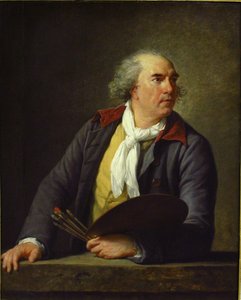
1733–1808, Француска
Ибер Робер
Rani život, porodica i umetnička obuka Rođen u Parizu 1733. godine, Hubert Robert je ušao u svet u kojem je društveni status njegove porodice bio neraskidivo povezan sa služenjem drugima. Njegov otac, Nicolas Robert, bio je zaposlen u domaćinstvu istaknutog pojedinca, što je bila veza koja će vremenom olakšati mladom čoveku kretanje kroz najviše slojeve francuskog društva. Ova rani period stabilnosti pružio je temelj za formalno obrazovanje, koje je sticao u strukturiranom okruženju koledža Navarre.
Takođe i Ибер Робер
 The Pont du Gard1787
 The Finding of the Laocoön1773
 Le port de Ripetta
 PROJET D'AMENAGEMENT DE LA GRANDE GALERIE DU LOUVRE

Eseji o delu Architecture with Figures
 Hubert Robert: Picturing Ruins, Preserving Memory – A Study of Romantic Antiquarianism & Artistic InnovationExplore the captivating world of Hubert Robert, master of Romantic landscape painting & 'capriccio' ruins. Discover his historical context,…
 Vedute and Capriccio: Distinguishing Topographical Views from Architectural FantasyMaster the difference between veduta and capriccio through expert art history analysis. Explore the masters of Italian landscape art today.
 French artworks of the 1880sFrench Impressionist masterpieces by Claude Monet, Pierre-Auguste Renoir, and Georges Seurat. Find museum-quality reproductions on Original…