

 Pregledaj u prostoru
 Podeli
 Podeli
 Detalji
 Vodič
Vodič

 Preuzmi sliku
 Slični predmeti
 Rendgenski snimak
 Automatska prezentacija
 Statistika
Ju Jitsu
 Oil On Board
- Cubism
 1913
1913- Late Medieval
 62.0 x 62.0 cm
 Tate Liverpool
 Pročitaj više
Umetničko delo prikazano na ovoj stranici zaštićeno je autorskim pravima, što znači da zakonski nismo u mogućnosti da kreiramo niti prodajemo identičnu reprodukciju. Ova zaštita se sprovodi u skladu sa međunarodnim sporazumima kao što su Bernska konvencija i nacionalnim zakonima, uključujući i one koji su definisani u Američki zakon o autorskom pravu – Naslov 17.
Ovaj metod je u potpunosti usklađen sa regulativama o autorskim pravima jer ne podrazumeva kopiranje ili dupliranje zaštićenih umetničkih dela. Umesto toga, reč je o kreativnoj reinterpretaciji – novom slikarskom delu koje je inspirisano originalom, ali nije identično njemu.
Giclee štampa / Umetnički otisak
Giclée štampa ili print na platnu muzejskog kvaliteta uz brzu izradu i raznovrsne opcije završne obrade. ( Naručite ručno oslikano reprodukciju Pređi na prodaju digitalnih slika)




P118B дин10

P118H дин10

P118W дин10

P438Z дин10

P508JH дин12

P508YH дин12

P805H дин10

P805Z дин10

P919BZ дин10

P919G дин10

P919XJ дин10

P959ZH дин10

P968JZ дин12

W106C дин8

W218G дин10

W218JH дин8

W218Y дин10

W307PJ дин10

W316G дин10

W316PJ дин8

W316Y дин10

W398PJ дин8

W4111J дин10

W500HY дин15

W500JH дин15

W692G дин12

W849H дин8

W940BG дин15

W953PJ дин8




Izaberite jednu od naših unapred definisanih veličina koje odgovaraju originalnim proporcijama umetničkog dela.

Unesite širinu i visinu koja vam je potrebna, kako bi se uklopili u vaš ram ili na vaš zid. Štampa se može samo iseći, nikada ne može biti veća od originalne slike, stoga format sa drugačijim proporcijama gubi deo slike. Poslaćemo vam digitalni prikaz radi potvrde pre nego što započnemo štampu. Slika prikazana na ovoj stranici ne pokazuje stvarni rez — to pokazuje samo digitalni prikaz.
Dostava širom sveta () za 2 nedelje umesto uobičajenih 4/5 nedelja. (25 октобар)

Besplatna ekspresna dostava širom sveta

Visokokvalitetno laneno platno

Sveobuhvatno osiguranje transporta

Garancija povraćaja carine i uvoznih dažbina

Garancija vernosti boja i autentičnosti pri reprodukciji

Politika povraćaja u roku od 100 dana (samo u slučaju nedostataka)

Garancija povrata 100% novca

Popust pri većoj količini
 Opcija sa staklom dostupna je samo za dimenzije manje od 110 cm

Ju Jitsu
Giclee štampa / Umetnički otisak
Veličina reprodukcije
-


Ukupna cena
дин 8248
David Bomberg’s ‘Ju Jitsu’: A Fragmented Dance of Energy
David Bomberg's 1913 painting, “Ju Jitsu,” is not merely a depiction of a martial art; it’s a dynamic exploration of form, movement, and the very essence of human interaction. Captured on a relatively small board – measuring just 62 x 62 cm – the work explodes with an arresting energy that belies its modest scale. Bomberg, a key figure within the ‘Whitechapel Boys,’ a group of East End artists pushing against established artistic conventions, presents us with a collage-like composition featuring four figures engaged in what appears to be a grappling match. However, this isn’t a straightforward representation; instead, Bomberg employs a fractured, almost Cubist approach, layering torso and arm fragments against each other, creating an illusion of simultaneous action and spatial ambiguity.
The muted color palette – dominated by ochres, browns, and greys – contributes significantly to the painting’s subdued yet powerful atmosphere. This deliberate restraint allows the geometric forms and the implied movement to take center stage. The checkered backdrop, a subtle but effective element, adds depth and reinforces the sense of fragmented space, mirroring the disjointed nature of the figures themselves. Bomberg's use of line is particularly striking; bold, angular strokes define the contours of the bodies, conveying both strength and vulnerability. The painting’s roots lie in the burgeoning avant-garde movements of the early 20th century – Cubism, Futurism, and Constructivism – all of which sought to break down traditional representation and explore new ways of perceiving and depicting reality.
Influences and Artistic Context
Bomberg’s artistic journey was shaped by a diverse range of influences. His early training at the City and Guilds Technical Art School provided a foundational understanding of technique, while his time under Walter Sickert at Westminster School of Art instilled in him an appreciation for form and urban life – elements that would later inform his own distinctive style. Crucially, Bomberg’s exposure to Paul Cézanne through the 1910 Roger Fry exhibition “Manet and the Post-Impressionists” proved transformative, introducing him to Cézanne's emphasis on geometric simplification and the exploration of underlying structure. This influence is evident in Bomberg’s own use of fragmented forms and his focus on capturing essential shapes rather than detailed representations.
Furthermore, Bomberg was deeply engaged with the radical artistic currents circulating at the Slade School of Art during this period. Alongside contemporaries like Mark Gertler and Stanley Spencer, he experimented with abstract geometric compositions, drawing inspiration from the Futurists’ celebration of dynamism and movement. The painting “Ju Jitsu” stands as a testament to this experimental spirit, embodying Bomberg's willingness to challenge conventional artistic norms and explore new visual languages.
Decoding the Symbolism
While ostensibly depicting a scene of physical combat, "Ju Jitsu" transcends a simple representation of martial arts. The fragmented figures can be interpreted as symbols of human interaction – the struggle for dominance, the interplay of power and vulnerability, and the inherent tension between individuals. The act of grappling itself represents a negotiation, a yielding and resisting, mirroring the broader themes of conflict and resolution that permeate human experience. Considering Bomberg’s background as a Jewish immigrant in London's East End, one might also read the painting as an exploration of identity and resilience within a rapidly changing urban landscape.
The painting’s abstraction further enhances its symbolic resonance. By stripping away extraneous details and focusing on essential forms, Bomberg invites viewers to engage with the underlying dynamics of the scene – to contemplate the forces at play and to project their own interpretations onto the composition. The lack of a clear narrative or resolution encourages active participation from the viewer, transforming the painting into a dynamic meditation on human interaction.
A Legacy of Innovation
“Ju Jitsu” is more than just a striking visual work; it’s a pivotal example of David Bomberg's artistic evolution. It represents a crucial stage in his development as an abstract painter, bridging the gap between his early training and his later explorations of landscape and portraiture. The painting’s bold geometric forms, dynamic composition, and muted color palette established Bomberg as a leading figure within the British avant-garde, paving the way for future generations of artists to push the boundaries of artistic expression. Reproductions of this captivating work offer a unique opportunity to experience the energy and innovation of one of Britain's most important 20th-century painters.
Pitanja i odgovori
Gde se preporučuje izlaganje dela "Ju Jitsu" u formatu Square?
Sa svojim Square oblikom, reprodukcija dela "Ju Jitsu" preporučuje se za Living Room.
Kakav osećaj prenosi „Ju Jitsu”, David Bomberg?
U delu "Ju Jitsu", Dramatic raspoloženje prati Mysterious emocija.
Koja boja dominira kompozicijom dela „Ju Jitsu”, David Bomberg?
Dominantna boja dela „Ju Jitsu”, David Bomberg je Phthalo Green (#262f40).
Biografija umetnika
Rani život i umetnička obuka
- Rođen: Birmingham, Ujedinjeno Kraljevstvo (5. decembar 1890.)
- Preminuo: London, Ujedinjeno Kraljevstvo (19. avgust 1957.)
- Jedan od „Whitechapel Boys“ – grupe umetnika Istočnog Enda koji su se pojavili početkom 20. veka.
Rođen u porodici poljsko-jevrejskih imigranata, Avrahama i Rebeke Bomberg, Dejvid je svoje prve umetničke korake napravio u Tehničkoj umetničkoj školi City and Guilds, pre nego što je u Birminghamu prošao obuku za litografa.
Svoje obrazovanje nastavio je pod mentorstvom Valtera Sikerta u Školi umetnosti Westminster (1908–1910), gde je na sebe snažno utical Sikertov fokus na formu i urbani život. Ključni trenutak za njegov razvoj bila je izložba Rodžera Fraja „Manet i postimpresionisti“ 1910. godine, koja mu je omogućila duboki uvid u rad Pol Sezana. Nakon toga, pohađao je čuvenu Školu umetnosti Slade (1911), gde je osvojio nagradu Tonks za portret svog kolege, Ajzaka Rozenberga.
Avantgardne godine: Kubizam, futurizam i kontroverze
- Dok je boravio u školi Slade, Bomberg je bio deo izuzetne generacije koju su činili Mark Gertler, Stenli Spenser, C.R.W. Nevinson i Dora Kerintun.
- Njegov rad bio je pod snažnim uticajem londonskih izložbi italijanskih futurista iz 1912. godine, kao i Frajeve druge postimpresionističke izložbe koja je predstavila Pikasa, Matisa, fauviste i Vimdema Luisa.
- Razvio je prepoznatljiv stil koji spaja kubizam i futurizam – karakterisan geometrijskim kompozicijama, ograničenom paletom boja, angularnim figurama i strukturama nalik mrežama.
- Njegov radikalni pristup doveo je do izbacivanja iz škole Slade 1913. godine, jer je njegov umetnički izraz smatrao previše drskim za konvencionalne metode te institucije.
- Kratko vreme bio je povezan sa Omega radionicama Bloomsbury grupe i izlagao je sa Camden Town grupom. Iako je pokazivao bliskost sa vorticističkim pokretom Vimdema Luisa, ostao je nezavisan, odbijajući potpuno uključenje u taj pokret.
Od rata do pejzaža: Promena stila
Iskustva kao običan vojnik tokom Prvog svetskog rata duboko su promenila njegov umetnički vid, navodeći ga na odmak od apstrakcije.
Dvadesete godine 20. veka donele su promenu ka figurativnijem stilu, sa fokusom na portrete i pejzaže koji su direktno izvučeni iz same prirode. Razvio je sve ekspresivniju tehniku, koju su obeležili teksturirani impasto i emocionalni intenzitet.
Snažan uticaj na njegov kasniji rad imali su i brojni putovanja kroz Bliski istok (posebno Palestina) i Evropu. Njegove interpretacije Jerusalima ostaju posebno značajni i upečatljivi deo njegovog dela.
Kasne godine i nasleđe
- Od 1945. do 1953. godine predavao je na Politehniku Borough (današnji London South Bank University), oblikujući generacije umetnika kao što su Frenk Auerbah, Leon Kosof, Filip Holm, Klif Holden, Edna Men, Doroti Mid, Gustav Mecger, Denis Krefield, Sesil Bejli i Majls Ričmond.
- Bio je oženjen slikarkom pejzaža Lilijan Holt.
- Uprkos periodima relativne zaboravljenosti tokom života, Bombergov rad je poslednjih decenija dobio sve veće priznanje kao značajan doprinos britanskoj modernoj umetnosti.
- U njegov čast nazvana je Kuća Dejvida Bomberga na London South Bank University.
- Njegovo nasleđe leži u jedinstvenoj sintezi evropskih avantgardnih pokreta i kasnijem razvoju moćnog, ekspresivnog pejzažnog stila koji je uspeo da uhvati samu suštinu mesta i ljudskog iskustva.

David Bomberg
1890 - 1957 , Ujedinjeno Kraljevstvo
Brzi pregled
- Artistic Movement Or Style:
- Kubizam
- Futurizam
- Ekspresionizam
- Artists Or Movements Influenced By This Artist:
- Frank Auerbach
- Leon Kossoff
- Artists Who Influenced This Artist:
- Paul Cézanne
- Walter Sickert
- Wyndham Lewis
- Date Of Birth: 5. decembar 1890.
- Date Of Death: 19. avgust 1957.
- Full Name: David Garshen Bomberg
- Nationality: Britanac
- Notable Artworks:
- Autoportret (1937)
- Kitty, umetnikova sestra (1929)
- Studija za sliku
- Jerusalim
- Place Of Birth: Birmingham, Ujedinjeno Kraljevstvo
Srodni članci
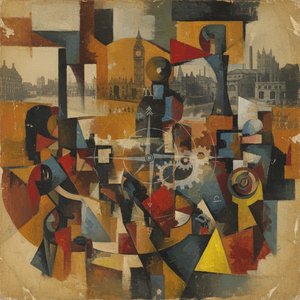
David Bomberg: Reassessing the Pioneering Spirit of Early British Abstraction
Explore the groundbreaking work of David Bomberg, a pivotal figure in British abstraction. Discover his artistic evolution, influences, and lasting legacy through insightful analysis & expert commentary.
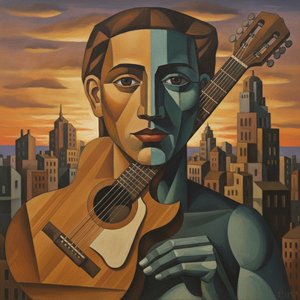
Cubism Unveiled: How Picasso and Braque Redefined Reality Through Geometric Abstraction
Explore the revolutionary world of Cubism. Discover how masters Pablo Picasso and Georges Braque dismantled reality through geometric abstraction to redefine modern art history.

Deconstructing Reality: Cubism's Evolution, Impact & Enduring Legacy
Explore the revolutionary world of Cubism with expert insights from OriginalUniqueArt. Discover Picasso & Braque's groundbreaking techniques, its philosophical roots, and lasting impact on modern art. Expert appraisal & custom reproductions available.
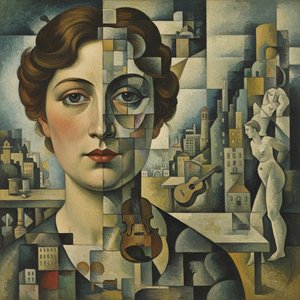
Deconstructing Reality: Cubism's Revolutionary Impact on 20th-Century Art
Explore the revolutionary world of Cubism with OriginalUniqueArt. Discover Picasso & Braque's groundbreaking techniques, its philosophical roots, and lasting impact on modern art. Expert insights for collectors.
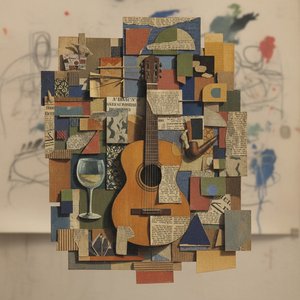
Deconstructing Reality: A Comprehensive Exploration of Synthetic Cubism's Evolution & Impact
Explore the revolutionary world of Synthetic Cubism! Discover its origins, key artists like Picasso & Braque, techniques, and lasting impact on modern art. A comprehensive guide for enthusiasts.

