Rococo · 1765
Bathsheba (Шарл Андре Ван Ло, 1765)
Шарл Андре Ван Ло (1705–1765) je napravio Bathsheba. Datirano je iz 1765. Pripada pokretu Rococo. Izrađeno je u Oil.
- 1765
- Oil

 Pregledaj u prostoru

 Ručno oslikano uljanim bojama
 Pošalji
 Podeli
 Informativni list


 Preuzmi
 Slični predmeti
 Rendgenski snimak
 Automatska prezentacija
 Pitanja i odgovori

 Statistika
Bathsheba, ukratko
- Naslov
- Bathsheba
- Umetnik
- Шарл Андре Ван Ло (1705–1765)
- Rođen/a u
- Ница, Француска
- Datum
- 1765
- Tehnika
- Oil
- Pokret
- Rococo
- Period
- Early Modern
- Tema
- woman, handmaidens, drapery, architecture, trees, hills
Šta prikazuje Bathsheba?
Identification of the Depicted Subject and Artist
Charles-André van Loo’s Bathsheba is a Rococo-style oil painting dating to about 1765. The work captures a moment of intimate preparation, focusing on the biblical figure as she is attended to by her handmaidens. This composition places the central subject within a setting of luxury and grace, characteristic of the mid-eighteenth-century French school.
The artist, Charles-André van Loo, was a prominent figure in the French Rococo movement. Born in Nice, he rose to become the First Painter to King Louis XV in 1762. His technical precision and ability to handle complex historical and mythological subjects defined much of the courtly art of his era. In this specific work, he applies a refined approach to the female form and the surrounding drapery, emphasizing the fluid movement of the figures.
Composition and Visual Elements
The composition is dynamic and asymmetrical. A grouping of figures on the right leads the eye across a landscape toward a grand architectural structure on the left. Fluid and curvilinear lines emphasize graceful movement and the appearance of billowing fabrics. This arrangement creates a sense of rhythm that directs the viewer's gaze through the receding background of trees and distant hills.
The color palette relies on soft, luminous tones, featuring pastel pinks, creamy whites, and sky blues. These lighter hues contrast with the deep blues and warm ochres found in the drapery. Bright, diffused lighting suggests an outdoor setting during daylight, casting soft shadows that enhance the three-dimensional depth of the figures.
Artistic Style and Technique
The work is characteristic of 18th-century French painting, defined by an emphasis on elegance, grace, and ornate detail. The artist employs a refined technique to capture both light and motion, utilizing fluid and curvilinear lines that emphasize the graceful movement of the figures and the billowing fabrics. This approach creates a sense of light and airiness throughout the composition.
The textures appear smooth and painterly, with visible brushstrokes that contribute to the overall luminosity of the scene. The lighting is bright and diffused, suggesting an outdoor setting during daylight. This technique produces soft shadows and enhances the three-dimensional depth of the figures against the receding background of trees and distant hills. The color palette relies on soft, luminous tones, featuring pastel pinks, creamy whites, and sky blues, which contrast against deep blues and warm ochres in the drapery.
Related Works by Charles-André van Loo
The artist's diverse oeuvre spans religious, mythological, and portraiture subjects. His religious output includes The Marriage of the Virgin, which is preserved in the Louvre. In the realm of mythology, he produced Venus and Amor, currently held in Kunsthalle Bremen, as well as Jupiter and Antiope. He also executed multiple versions of Perseus and Andromeda.
As a prominent figure in the French court, van Loo produced significant royal and social portraiture. His notable works include a portrait of Marie Leszczynska, Queen of France, and a 1760 portrait of Mademoiselle Clairon as Medea. His Self Portrait offers a direct look into his own self-perception. Other notable compositions include Halt of the Hunt, located at The Metropolitan Museum of Art.
The Biblical Subject of Bathsheba
Bathsheba was an Israelite queen consort, originally the wife of Uriah the Hittite before becoming the wife of King David. Her lineage continued through her son, Solomon, who succeeded David as monarch. The narrative central to her story involves a summons by royal messengers after David witnessed her bathing, an event that triggered a series of profound consequences for the kingdom.
In the history of Western art, this biblical episode frequently appears within the Power of Women topos. Artists often utilized the subject as a pretext to feature a large female nude within the framework of a formal history painting. The tension between the domestic intimacy of the bath and the political gravity of the king's gaze provides a recurring focal point for painters seeking to explore themes of desire and divine judgment.
Slike visoke rezolucije za Bathsheba

Шарл Андре Ван Ло, Bathsheba (1765). Javno dobro.
Odgovori na pitanja o Bathsheba
U kojoj godini je nastalo "Bathsheba"?
„Bathsheba“ potiče iz 1765. Ovaj datum smešta delo u okviru karijere umetnika Шарл Андре Ван Ло i same ere.
Kojom tehnikom je izrađeno "Bathsheba"?
"Bathsheba" je urađeno u tehnici Oil.
Šta predstavlja delo "Bathsheba"?
Motivi dela "Bathsheba" su woman, handmaidens, drapery, architecture, trees, hills, sky, pink fabric.
Da li je delo „Bathsheba”, autor Шарл Андре Ван Ло u javnom vlasništvu?
„Bathsheba”, autor Шарл Андре Ван Ло pripada u javnom vlasništvu – autorska prava su istekla. Ovaj status određuje način na koji se slika dela može reprodukovati.
Kome se pripisuje delo "Bathsheba"?
Delo "Bathsheba" je kreirao/la Шарл Андре Ван Ло. Informacije na ovoj stranici opisuju originalno delo umetnika Шарл Андре Ван Ло.
Koji umetnički pravac obuhvata „Bathsheba”, autor Шарл Андре Ван Ло?
„Bathsheba”, autor Шарл Андре Ван Ло pripada pravcu Rococo. Ovaj pravac pruža stilski kontekst dela.
U kom periodu karijere Шарл Андре Ван Ло pripada delo "Bathsheba"?
„Bathsheba“ pripada Late Period u karijeri umetnika Шарл Андре Ван Ло. Ova klasifikacija povezuje delo sa razvojem samog umetnika.
Koliko je godina imao/la Шарл Андре Ван Ло u vreme nastanka dela "Bathsheba"?
Шарл Андре Ван Ло je imao/la 60 godina kada je kreirao/la "Bathsheba" u 1765. Godina je izračunata na osnovu godine rođenja umetnika, 1705.
Da li je delo "Bathsheba" autora Шарл Андре Ван Ло u javnom vlasništvu i zašto?
Status autorskih prava za delo "Bathsheba" - u javnom vlasništvu – autorska prava su istekla - proizilazi iz godine smrti umetnika, 1765.
O umetniku, Шарл Андре Ван Ло
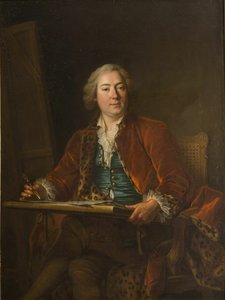
1705–1765, Француска
Шарл Андре Ван Ло
Rani Život i Obrazovanje Charlesa-Andréa van Looa Charles-André van Loo, rođen 15. februara 1705. godine u Nici, Francuska, bio je izuzetno talentovan slikar čiji je život obeležila elegancija, gracioznost i raskošni detalj karakteristični za Rokoko period. Poticao je iz ugledne holandske dinastije slikara; njegov otac, Louis-Abraham van Loo, i mlađi brat, Jean-Baptiste van Loo, bili su uspešni umetnici koji su snažno uticali na njegov rani razvoj.
O Шарл Андре Ван Ло Značajna dela umetnika Шарл Андре Ван Ло
Takođe i Шарл Андре Ван Ло
 Spanish Concert (Spanish Сonversation)1754
 Aeneas Carrying Anchises1729
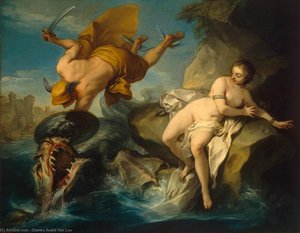 Perseus and Andromeda1735
 The sultana1747

Eseji o delu Bathsheba
 French artworks of the 1870sFrench Impressionist masterpieces by Claude Monet, Pierre-Auguste Renoir, and Édouard Manet define the 1870s. View the full collection on O…
 French rococo paintersMasterpieces by Fragonard and Watteau define French Rococo elegance. Explore the full collection online at OriginalUniqueArt.com.
 Mastering Light: The 25 Most Iconic Landscapes by Jean-Baptiste-Camille CorotImmerse yourself in the serene landscapes of Jean-Baptiste-Camille Corot. Explore 25 iconic masterpieces of the Barbizon school, from misty…