Expressionism · 1914
Tightrope walker (Аугуст Маке, 1914)
Аугуст Маке (1887–1914) je napravio Tightrope walker. Datirano je iz 1914. Pripada pokretu Expressionism. Izrađeno je u Acrylic On Canvas. Čuva se u muzeju Kunstmuseum Bonn u mestu Bon, Nemačka. Dimenzije su 82 × 60 cm.
- 1914
- Acrylic On Canvas
- 82 × 60 cm
- Kunstmuseum Bonn

 Pregledaj u prostoru

 Ručno oslikano uljanim bojama
 Pošalji
 Podeli
 Informativni list


 Preuzmi
 Slični predmeti
 Rendgenski snimak
 Automatska prezentacija
 Pitanja i odgovori

 Statistika
Tightrope walker, ukratko
- Naslov
- Tightrope walker
- Umetnik
- Аугуст Маке (1887–1914)
- Rođen/a u
- Мешеде, Немачка
- Datum
- 1914
- Tehnika
- Acrylic On Canvas
- Dimenzije
- 82 × 60 cm
- Gde se može videti
- Kunstmuseum Bonn, Bon, Nemačka
- Pokret
- Expressionism
- Tema
- circus, performance, tightrope, color, harmony, landscape
Šta prikazuje Tightrope walker?
August Macke: A Symphony of Color Amidst Modern Anxiety
August Robert Ludwig Macke (1887-1914), a name etched in the annals of German Expressionism, embodies the poignant beauty born from fleeting moments and shadowed realities. His tragically premature demise during World War I robbed the art world of a prodigious talent—one who relentlessly pursued new artistic horizons while simultaneously grappling with profound existential questions. Macke’s journey began in Meschede, Westphalia, where he absorbed the influences of Impressionism and Post-Impressionism before decisively embracing Fauvist color palettes and Orphic abstraction, cementing his place as a pivotal figure within Der Blaue Reiter—a revolutionary artistic collective dedicated to exploring psychological landscapes and challenging conventional aesthetic norms.- Subject Matter: Macke’s canvases frequently depict scenes of rural life – farmers tending their fields, children playing outdoors – yet these seemingly idyllic subjects are imbued with an underlying tension reflecting the anxieties of a rapidly changing era. The tightrope walker embodies this duality; he performs his task with grace and precision against a backdrop of towering buildings, symbolizing humanity's precarious balance between tradition and progress.
- Style: Macke’s distinctive style is characterized by bold simplification and flattened perspective—techniques borrowed from Fauvist painters like Matisse. He eschewed meticulous detail in favor of expressive brushstrokes that prioritize color and tonal harmony, creating images brimming with vitality and emotional resonance.
Technique: Bold Color & Textured Surfaces
Macke’s masterful manipulation of pigment is central to his artistic vision. Utilizing thick impasto—a technique involving applying paint in textured layers—he achieved remarkable depth and luminosity, capturing the physicality of the subject matter with palpable immediacy. His color choices are deliberately vibrant and unrestrained, eschewing naturalistic hues for emotionally charged shades that convey mood and atmosphere. The use of complementary colors – blues against reds, yellows against greens – intensifies visual impact and contributes to the overall dynamism of his compositions.- Color Palette: Macke’s palette leans heavily into warm tones—ochres, reds, yellows—contrasting sharply with cooler blues and greens. This deliberate juxtaposition underscores the tension between stability and disruption inherent in the depicted environment.
- Brushwork: Macke's brushstrokes are loose and energetic, conveying movement and spontaneity. He employed a technique known as “Alla Prima,” applying paint directly onto the canvas without underpainting—a bold decision that maximized textural richness and expressive potential.
Historical Context & Symbolism: Facing Uncertainty
Macke’s artistic output coincided with the turbulent years leading up to World War I, a period marked by social unrest and intellectual ferment. The Expressionist movement sought to articulate the psychological realities of the time—the anxieties surrounding impending conflict, the disillusionment following Nietzschean philosophy—and Macke's work reflects this preoccupation. The tightrope walker itself serves as a potent symbol: representing precariousness, balance, and the constant struggle for survival amidst overwhelming forces. It speaks to the human condition – vulnerable yet striving for mastery – mirroring the broader anxieties of a society grappling with profound transformations.Emotional Impact & Legacy
“Tightrope walker” transcends mere visual representation; it resonates deeply with viewers through its evocative color palette and expressive brushwork. Macke’s ability to convey emotion—a palpable sense of tension mingled with beauty—solidifies his position as one of the most influential artists of his generation. His legacy continues to inspire contemporary painters and designers who appreciate the power of bold color and textural innovation, reminding us that art can illuminate not only what we see but also what we feel – a testament to Macke’s enduring artistic brilliance.U kom muzeju se nalazi Tightrope walker?
Kunstmuseum Bonn
Bon, Nemačka
Svadilište ekspresije: Duša Kunstmuseum Bonn-a Smešten u istorijskom srcu Bona, grada u kojem odjekuju Beتovenovi kompozicije, nalazi se Kunstmuseum Bonn —duboko utočište za one koji traže sirovu, emotivnu snagu modernizma. Zakoračiti u ovu instituciju znači započeti putovanje kroz turbulentnu, ali prelepu psihu dvadesetog veka. Rođen iz potrebe da se ponovo izgrade ne samo zidovi, već i kulturni identitet tokom transformativne ere posleratne rekonstrukcije, muzej se od tada razvio u globalni svetionik reškog ekspresionizma .

Slike visoke rezolucije za Tightrope walker

Аугуст Маке, Tightrope walker (1914), Kunstmuseum Bonn. Javno dobro.
Odgovori na pitanja o Tightrope walker
Gde se danas može videti delo „Tightrope walker”, autor Аугуст Маке?
Delo „Tightrope walker”, autor Аугуст Маке je izloženo u muzeju Kunstmuseum Bonn, Bon, Nemačka. Navod o muzeju odnosi se na originalno delo, a ne na reprodukcije.
U kojoj godini je nastalo "Tightrope walker"?
Delo „Tightrope walker”, autor Аугуст Маке nastalo je 1914.
U kojoj je tehnici izvedeno delo „Tightrope walker”, autor Аугуст Маке?
Tehnika dela „Tightrope walker”, autor Аугуст Маке je Acrylic On Canvas. Reprodukcije imaju za cilj da dočaraju izgled ove tehnike.
Koje su stvarne dimenzije dela „Tightrope walker”, autor Аугуст Маке?
Dimenzije originalnog dela „Tightrope walker”, autor Аугуст Маке su 82 x 60 cm.
Koje su teme prikazane u delu „Tightrope walker”, autor Аугуст Маке?
Motivi dela "Tightrope walker" su circus, performance, tightrope, color, harmony, landscape, people.
Da li se prikaz „Tightrope walker”, autor Аугуст Маке može slobodno reprodukovati?
Što se tiče autorskih prava, delo "Tightrope walker" je u javnom vlasništvu – autorska prava su istekla.
Ko je umetnik koji stoji iza dela "Tightrope walker"?
Delo "Tightrope walker" pripisuje se umetniku Аугуст Маке.
Koji umetnički pravac obuhvata „Tightrope walker”, autor Аугуст Маке?
Umetnički pravac koji se povezuje sa delom „Tightrope walker”, autor Аугуст Маке je Expressionism. Ova klasifikacija smešta rad među srodne umetnike i umetnička dela.
U kojoj periodi karijere umetnika Аугуст Маке pripada delo "Tightrope walker"?
U okviru karijere umetnika Аугуст Маке, delo "Tightrope walker" pripada periodu Mature Period, što omogućava poređenje sa drugim radovima ovog autora.
O umetniku, Аугуст Маке
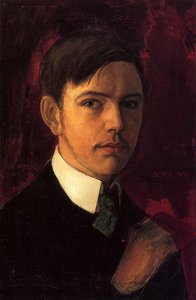
1887–1914, Немачка
Аугуст Маке
Prekinut život: Živopisni svet Augusta Mackea August Robert Ludwig Macke, ime koje je postalo sinonim za kratko, ali blistavo cvetanje nemačkog ekspresionizma, živeo je život koji je tragično prekinuo izboj Prvog svetskog rata. Rođen 1887. godine u Mešedeu, u Vestfaliji, njegov umetnički put bio je proces brze evolucije i strastvenog istraživanja, obeležen nezasitom radoznalošću za novim stilovima i dubokom žudnjom da dočara suštinu modernog iskustva. Mackein rani život obeležilo je preseljenje porodice u Bon, gde je stekao svoje početno obrazovanje i počeo da neguje svoj bujni talenat.
Takođe i Аугуст Маке
 Dame u zelenoj jakni1913
 Бањећи девојке са задњем планом1913
 The Hat Shop1913
 Portrait of the Artist's Wife with Hat1909
Eseji o delu Tightrope walker
 The Magic of Impasto: Capturing Light and Tactile Depth in Impressionist MasterpiecesDiscover the breathtaking beauty of impasto. Explore how Impressionist masters used thick, textured brushstrokes to capture light and emoti…
 Fauvism vs German Expressionism: Distinguishing Color and EmotionMaster the differences between Fauvism and German Expressionism through expert analysis. Learn to decode the emotion behind the color today.
 August Macke: Expressionist Visions of Harmony & Modern LifeExplore the vibrant Expressionist paintings of August Macke (1887-1914). Discover his key role in Der Blaue Reiter, Fauvist influences, and…