German Expressionism · 1913
Three acts (Аугуст Маке, 1913)
Аугуст Маке (1887–1914) je napravio Three acts. Datirano je iz 1913. Pripada pokretu German Expressionism. Izrađeno je u Oil On Canvas. Dimenzije su 82 × 51 cm.
- 1913
- Oil On Canvas
- 82 × 51 cm

 Pregledaj u prostoru

 Ručno oslikano uljanim bojama
 Pošalji
 Podeli
 Informativni list za štampu


 Preuzmi
 Slični predmeti
 Rendgenski snimak
 Automatska prezentacija
 Pitanja i odgovori

 Statistika
Three acts, ukratko
- Naslov
- Three acts
- Umetnik
- Аугуст Маке (1887–1914)
- Mesto rođenja umetnika
- Мешеде, Немачка
- Datum
- 1913
- Tehnika
- Oil On Canvas
- Dimenzije
- 82 × 51 cm
- Pokret
- German Expressionism
- Period
- Modern
- Tema
- women, nude figures, trees, foliage, nature, vibrant colors
Šta prikazuje Three acts?
A Symphony of Color and Form
In the vibrant tapestry of German Expressionism, few works capture the ephemeral beauty of life as poignantly as August Macke’s Three Acts. Painted in 1913, this masterpiece serves as a window into a world where color is not merely a descriptive tool but an emotional language. The canvas presents a breathtaking scene of three naked women standing amidst a lush, natural setting, their forms harmoniously integrated with the surrounding trees and foliage. There is an undeniable sense of rhythm in the composition; the way the figures are positioned—one partially obscuring another—creates a captivating visual dance that draws the eye through the depth of the forest. This arrangement does more than just showcase the human form; it establishes an intimate connection between the subjects, suggesting a shared moment of peace and profound togetherness.
The technique employed by Macke is nothing short of luminous. Utilizing bold brushstrokes and a palette of rich, saturated hues, he breathes life into the canvas, imbuing the scene with a palpable energy. The interplay of light and shadow across the skin of the women and the verdant leaves of the backdrop creates a sense of movement, as if a gentle breeze is passing through the clearing. For the discerning collector or interior designer, this painting offers a dynamic focal point that can transform a room, bringing an infusion of vitality and warmth to any sophisticated space.
The Spirit of Expressionism and Historical Resonance
To understand Three Acts, one must look toward the historical currents that shaped Macke’s brief but brilliant career. As a key figure associated with the Der Blaue Reiter movement, Macke was deeply influenced by the avant-garde explorations of his contemporaries, such as Franz Marc and Robert Delaunay. His work sits at a fascinating intersection of Fauvism and Orphism, where the structural integrity of form meets the wild, uninhibited use of color. This specific piece, created just a year before Macke’s untimely death in the First World War, embodies the optimistic, experimental spirit of pre-war European modernism.
The symbolism within the painting transcends the literal depiction of a pastoral scene. The "three acts" suggested by the title can be interpreted as a celebration of the cycles of nature or perhaps a metaphorical representation of stages of life and connection. By stripping the figures of clothing, Macke removes the distractions of social class or era, presenting a universalized vision of humanity in its most natural state. This raw, unadorned beauty, paired with the distorted yet graceful forms characteristic of Expressionism, evokes an emotional intensity that resonates deeply with the viewer, inviting contemplation on the harmony between the human spirit and the natural world.
An Invitation to Timeless Elegance
Owning a piece of art history is a profound experience, and a high-quality reproduction of Three Acts offers an opportunity to bring this era of German Expressionism into the modern home. Whether you are an art historian captivated by the technical nuances of Macke’s brushwork or an interior designer seeking to add a layer of sophisticated narrative to a curated collection, this artwork provides endless inspiration. The painting's ability to balance vibrant energy with a serene, meditative atmosphere makes it a versatile treasure for any decor style, from contemporary minimalism to classic luxury.
Investing in a hand-painted reproduction allows the enduring legacy of August Macke to live on within your personal sanctuary. Each stroke of the brush in a faithful recreation seeks to honor the original's texture and light, ensuring that the emotional impact of those three figures in the forest remains as potent today as it was in 1913. It is more than just a decoration; it is an invitation to experience a moment of eternal summer, frozen in a masterpiece of color and soul.
Slike visoke rezolucije za Three acts
Аугуст Маке, Three acts (1913).
Аугуст Маке (1887–1914), Three acts, 1913, oil on canvas. Javno dobro. Slika: OriginalUniqueArt.com.
Odgovori na pitanja o Three acts
Kada je nastalo delo „Three acts”, autor Аугуст Маке?
„Three acts“ potiče iz 1913. Ovaj datum smešta delo u okviru karijere umetnika Аугуст Маке i same ere.
Kojom tehnikom je urađeno „Three acts”, autor Аугуст Маке?
Аугуст Маке je koristio/la tehniku Oil On Canvas za delo "Three acts". Ova tehnika definiše materijalnu prirodu originalnog dela.
Kolikih je dimenzija originalnog dela "Three acts"?
Dimenzije dela „Three acts”, autor Аугуст Маке su 82 x 51 cm. Reprodukcije se mogu naručiti u drugim dimenzijama uz zadržavanje istih proporcija.
Šta prikazuje „Three acts”, autor Аугуст Маке?
Teme prisutne u delu „Three acts”, autor Аугуст Маке obuhvataju women, nude figures, trees, foliage, nature, vibrant colors, što zajedno sažima suštinu ovog umetničkog dela.
Da li je delo „Three acts”, autor Аугуст Маке u javnom vlasništvu?
„Three acts”, autor Аугуст Маке pripada u javnom vlasništvu – autorska prava su istekla. Ovaj status određuje način na koji se slika dela može reprodukovati.
Ko je autor dela "Three acts"?
Delo "Three acts" je kreirao/la Аугуст Маке. Informacije na ovoj stranici opisuju originalno delo umetnika Аугуст Маке.
Koji umetnički pravac pripada delu "Three acts"?
„Three acts”, autor Аугуст Маке pripada pravcu German Expressionism. Ovaj pravac pruža stilski kontekst dela.
U kom periodu karijere Аугуст Маке pripada delo "Three acts"?
„Three acts“ pripada Mature Period u karijeri umetnika Аугуст Маке. Ova klasifikacija povezuje delo sa razvojem samog umetnika.
Koliko je godina imao/la Аугуст Маке kada je kreirao/la "Three acts" 1913. godine?
Аугуст Маке je kreirao/la "Three acts" u uzrastu od 26 godina. Umetnik je rođen/a 1887, a delo je datirano na 1913. godinu.
O umetniku, Аугуст Маке
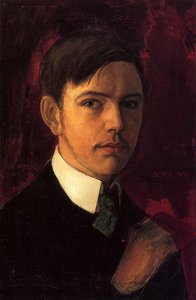
1887–1914, Немачка
Аугуст Маке
Prekinut život: Živopisni svet Augusta Mackea August Robert Ludwig Macke, ime koje je postalo sinonim za kratko, ali blistavo cvetanje nemačkog ekspresionizma, živeo je život koji je tragično prekinuo izboj Prvog svetskog rata. Rođen 1887. godine u Mešedeu, u Vestfaliji, njegov umetnički put bio je proces brze evolucije i strastvenog istraživanja, obeležen nezasitom radoznalošću za novim stilovima i dubokom žudnjom da dočara suštinu modernog iskustva. Mackein rani život obeležilo je preseljenje porodice u Bon, gde je stekao svoje početno obrazovanje i počeo da neguje svoj bujni talenat.
Takođe i Аугуст Маке
 Dame u zelenoj jakni1913
 Devojke koje se kupaju sa gradom u pozadini1913
 The Hat Shop1913
 Portret umetnikove žene sa šeširom1909
Eseji o delu Three acts
 German artworks of the 1890sIn 1893, Franz von Stuck created The Sin, a work exploring psychological temptation through a luminous figure and a dark, coiled serpent.
 Comparing Der Blaue Reiter and Die Brücke: Two Paths of German ExpressionismDie Brücke was founded in Dresden in 1905 by architecture students like Ernst Ludwig Kirchner. Why did their raw style clash with Munich's …
 German artworks of the 1910sIn 1911, Franz Marc used blue to represent masculinity and spirituality. See how ten works from the 1910s redefined the purpose of the imag…