Baroque Painting · 1601
Rinaldo and Armida (Анибале Карачи, 1601)
Анибале Карачи (1560–1609) je napravio Rinaldo and Armida. Datirano je iz 1601. Pripada pokretu Baroque Painting. Čuva se u muzeju Museo di Capodimonte u mestu Napulj, Italija.

 Pregledaj u prostoru

 Ručno oslikano uljanim bojama
 Pošalji
 Podeli
 Informativni list


 Preuzmi
 Slični predmeti
 Rendgenski snimak
 Automatska prezentacija
 Pitanja i odgovori

 Statistika
Rinaldo and Armida, ukratko
- Naslov
- Rinaldo and Armida
- Umetnik
- Анибале Карачи (1560–1609)
- Rođen/a u
- Болоња, Италија
- Datum
- 1601
- Gde se može videti
- Museo di Capodimonte, Napulj, Italija
- Pokret
- Baroque Painting
- Tema
- rinaldo, armida, love, romance, saracen, tasso
Šta prikazuje Rinaldo and Armida?
The Genesis of a Dramatic Narrative
Annibale Carracci’s “Rinaldo and Armida,” painted in 1601, isn't merely a depiction of a legendary tale; it’s a vibrant distillation of the late Renaissance’s fascination with classical mythology interwoven with burgeoning Baroque drama. Commissioned for the Palazzo Farnese in Rome, this monumental canvas embodies a pivotal moment within Tasso’s epic poem “Rinaldo,” a work that captivated audiences with its blend of chivalry, love, and perilous adventure. Carracci, along with his brother Agostino and cousin Ludovico, were tasked with transforming the complex narrative into a series of grand frescoes, aiming to revive the grandeur of High Renaissance ideals while injecting a palpable sense of dynamism – a hallmark of the emerging Baroque style. The painting itself is a testament to this ambition, radiating an energy that pulls the viewer directly into the heart of the scene.
A Symphony of Color and Movement
Carracci’s masterful technique is immediately apparent in the rich, layered application of paint. He employs a sophisticated *sfumato* – a subtle blurring of lines and edges – to create an atmosphere of both immediacy and depth. The figures are not rendered with sharp, precise outlines but rather emerge from a haze of color, lending them a sense of ethereal beauty and vulnerability. Notice the dramatic use of light; it’s not uniformly distributed but strategically employed to highlight key elements—Rinaldo's heroic stance, Armida’s sorrowful gaze, and the swirling vortex of the enchanted garden. The palette is dominated by warm reds, golds, and deep blues, creating a visual feast that mirrors the passionate emotions at play. The artist’s meticulous attention to detail extends to the intricate folds of their garments, the textures of the foliage, and even the subtle reflections in the water – all contributing to an astonishingly realistic effect for its time.
Symbolism Woven into a Romantic Scene
Beyond the immediate narrative, “Rinaldo and Armida” is laden with symbolic meaning. The scene itself—a passionate embrace amidst a fantastical garden—represents the precarious balance between love and duty, desire and obligation. Armida’s enchanted realm, filled with exotic birds and shimmering foliage, symbolizes her seductive power and the allure of escape from the constraints of war and responsibility. Rinaldo's struggle to resist her charms speaks to the internal conflict faced by heroes caught between their romantic passions and their sworn oaths. The presence of the two birds—one perched near the top left corner, the other towards the center-right—adds another layer of interpretation, perhaps representing messengers or omens, subtly guiding the viewer’s eye through the composition. The swords held by Rinaldo and his companions are not merely weapons but symbols of their commitment to Christian ideals and the defense of Jerusalem.
A Bridge Between Eras
“Rinaldo and Armida” stands as a crucial link between the High Renaissance’s emphasis on harmony and balance and the Baroque’s embrace of drama, emotion, and movement. Carracci skillfully synthesizes these influences, creating an artwork that is both formally sophisticated and emotionally resonant. His work profoundly impacted subsequent generations of artists, particularly influencing the development of illusionistic painting in Rome. Studying this masterpiece offers a valuable insight into the artistic currents of its time—a period of intense intellectual and creative ferment that ultimately shaped the course of Western art history. It’s a testament to Carracci's ability to capture not just a story but the very essence of human experience, rendered with breathtaking skill and profound beauty.
U kom muzeju se nalazi Rinaldo and Armida?
Museo di Capodimonte
Napulj, Italija
Istorija Museo di Capodimonte Koreni Museo di Capodimonte sežu u početak osamnaestog veka. Godine 1738, kralj Čarls VII od Napulja i Sicilije naredio je izgradnju skromne lovne rezidencije na brdu Kapodimonte. Kako je veličina kraljevske rezidencije rasla, tako se menjala i svrha ovog mesta.


Slike visoke rezolucije za Rinaldo and Armida

Анибале Карачи, Rinaldo and Armida (1601), Museo di Capodimonte. Javno dobro.
Odgovori na pitanja o Rinaldo and Armida
U kom muzeju se čuva originalni "Rinaldo and Armida"?
Originalno delo "Rinaldo and Armida" možete videti u muzeju Museo di Capodimonte, Napulj, Italija.
U kojoj godini je nastalo delo „Rinaldo and Armida”, autor Анибале Карачи?
Delo „Rinaldo and Armida”, autor Анибале Карачи nastalo je 1601.
Šta predstavlja delo "Rinaldo and Armida"?
„Rinaldo and Armida”, autor Анибале Карачи prikazuje: rinaldo, armida, love, romance, saracen, tasso, italy, 1601.
Da li je delo „Rinaldo and Armida”, autor Анибале Карачи u javnom vlasništvu?
Što se tiče autorskih prava, delo "Rinaldo and Armida" je u javnom vlasništvu – autorska prava su istekla.
Ko je umetnik koji stoji iza dela "Rinaldo and Armida"?
Delo "Rinaldo and Armida" je kreirao/la Анибале Карачи. Informacije na ovoj stranici opisuju originalno delo umetnika Анибале Карачи.
Koji umetnički pravac obuhvata „Rinaldo and Armida”, autor Анибале Карачи?
„Rinaldo and Armida“ je delo Baroque Painting pokreta. Ovaj pokret označava umetničku tradiciju kojoj je delo pripada.
U kom periodu karijere Анибале Карачи pripada delo "Rinaldo and Armida"?
U okviru karijere umetnika Анибале Карачи, delo "Rinaldo and Armida" pripada periodu Late Renaissance, što omogućava poređenje sa drugim radovima ovog autora.
Koliko je godina imao/la Анибале Карачи kada je kreirao/la "Rinaldo and Armida" 1601. godine?
Kada je delo "Rinaldo and Armida" nastalo 1601. godine, Анибале Карачи – rođen/a 1560. godine – imao/la je 41 godina.
Zašto je status autorskih prava za "Rinaldo and Armida" takav kakav jeste?
Status autorskih prava za delo "Rinaldo and Armida" - u javnom vlasništvu – autorska prava su istekla - proizilazi iz godine smrti umetnika, 1609.
O umetniku, Анибале Карачи
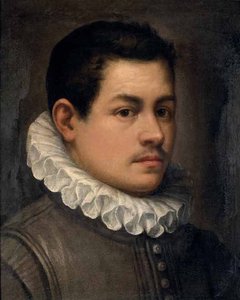
1560–1609, Италија
Анибале Карачи
Rani Život i Bolognski Koreni Anibal Karaci, rođen u Bolonji 3. novembra 1560. godine, poticao je iz porodice duboko ukorenjene u umetničkoj tradiciji. Njegovo rano obrazovanje verovatno se odvijalo u negujućem okruženju porodične radionice, postavljajući temelje za karijeru koja će produbno promeniti pejzaž italijanskog slikarstva.
Takođe i Анибале Карачи
 Sunce grašari
 Heraklov izbor
 Анибале Караћи
Избор Херкула: Мајсторско дело Барокне драме
167 x 273 cm
Избор Херкула
15961596
 Плавајућа Панорама1589

Eseji o delu Rinaldo and Armida
 Dutch Baroque Masters: 10 Paintings That Shaped an Era | OriginalUniqueArtJourney through the Golden Age with our guide to the Top 10 Dutch Baroque masterpieces! Explore iconic paintings by Rembrandt, Vermeer & Fr…
 Annibale Carracci: Bridging Renaissance Ideals & Baroque InnovationExplore the life & art of Annibale Carracci, a pivotal figure bridging Renaissance ideals with Baroque innovation. Discover his masterpiece…
 Giorgione: Enigma and Innovation in Early Venetian Renaissance PaintingExplore the enigmatic world of Giorgione, a pivotal figure in the Venetian Renaissance. Discover his innovative techniques, iconic painting…