Baroque · 1592
Pan (Анибале Карачи, 1592)
Анибале Карачи (1560–1609) je napravio Pan. Datirano je iz 1592. Pripada pokretu Baroque. Izrađeno je u Oil On Canvas. Čuva se u muzeju Nacionalna galerija Viktorije u mestu Melburn, Australija. Dimenzije su 109 × 135 cm.
- 1592
- Oil On Canvas
- 109 × 135 cm
- Nacionalna galerija Viktorije, Melburn

 Pregledaj u prostoru

 Ručno oslikano uljanim bojama
 Pošalji
 Podeli
 Informativni list za štampu


 Preuzmi
 Slični predmeti
 Rendgenski snimak
 Automatska prezentacija
 Pitanja i odgovori

 Statistika
Pan, ukratko
- Naslov
- Pan
- Umetnik
- Анибале Карачи (1560–1609)
- Mesto rođenja umetnika
- Болоња, Италија
- Datum
- 1592
- Tehnika
- Oil On Canvas
- Dimenzije
- 109 × 135 cm
- Gde se može videti
- Nacionalna galerija Viktorije, Melburn, Australija
- Pokret
- Baroque
- Tema
- pan, greek god, mythology, carracci, foreshortening, renaissance
Šta prikazuje Pan?
A Vision of Rustic Divinity: Annibale Carracci’s Pan
Annibale Carracci's "Pan," painted circa 1592, is not merely a depiction of the Greek god; it’s an embodiment of primal nature, a vibrant assertion of earthly delight rendered with breathtaking technical skill and imbued with the burgeoning spirit of the Bolognese school. This painting transcends simple portraiture, offering instead a glimpse into a world teeming with instinct, fertility, and the intoxicating allure of the wild. Commissioned by Cesare d'Este for his opulent Palazzo dei Diamanti in Ferrara – a palace itself reflecting the lavish tastes of the Renaissance court – “Pan” was intended to be part of a larger decorative scheme, a carefully orchestrated symphony of classical mythology designed to evoke grandeur and celebrate the power of the Este family.
Carracci’s genius lies in his masterful manipulation of perspective and color. The scene unfolds with a dramatic *di sotto in sù* foreshortening – a technique borrowed from earlier Renaissance masters but perfected by Carracci – that draws the viewer into the god's immediate presence. Pan, seated atop a ram or goat (the animal’s identity deliberately ambiguous), is presented not as an imposing deity, but as a youthful, almost mischievous figure. His pose is relaxed, his expression playful, and his limbs are rendered with a remarkable sense of naturalism that distinguishes this work from the more idealized depictions prevalent at the time. The rich palette – dominated by earthy reds, ochres, and greens – creates a tactile quality, inviting the viewer to almost feel the warmth of the Italian sun on Pan’s skin and the rough texture of his attire.
The Language of Symbolism
Pan, in Greek mythology, is the god of shepherds, flocks, wild animals, music, and revelry. He embodies the untamed spirit of nature, a force both alluring and potentially dangerous. Carracci’s portrayal captures this duality perfectly. The ram or goat beneath Pan isn't simply an animal; it represents fertility, abundance, and the cyclical rhythms of life and death – essential themes within the context of the Renaissance fascination with classical antiquity. The inclusion of the pipe, a traditional instrument associated with Pan, further reinforces his role as the patron of music and dance, suggesting a celebration of earthly pleasures.
Notably, the presence of the book or scroll in Pan’s hand hints at a deeper layer of meaning. While often depicted as a wild god, Pan was also associated with prophecy and knowledge – a connection that aligns with the intellectual climate of Renaissance Italy. The object could represent his ability to interpret the signs of nature, offering a glimpse into the mysteries of the world.
A Bridge Between Eras
“Pan” stands as a pivotal work in the transition from the High Renaissance to the Baroque period. Carracci’s embrace of naturalism and dramatic perspective – hallmarks of the Bolognese school – paved the way for the heightened emotional intensity and dynamic compositions that would characterize the Baroque style. His meticulous attention to detail, combined with his innovative use of *di sotto in sù* foreshortening, demonstrates a profound understanding of both classical principles and contemporary artistic trends. The painting’s placement within a larger decorative scheme further highlights its significance as a key element in the revival of classical art during the late 16th century.
A Timeless Appeal
More than four centuries after its creation, “Pan” continues to captivate viewers with its vibrant energy and evocative imagery. It’s a painting that speaks to our enduring fascination with nature, mythology, and the primal instincts that lie at the heart of human experience. Reproductions of this masterpiece offer an opportunity to bring this extraordinary vision into any setting, adding a touch of rustic divinity and timeless beauty to your home or office.
U kom muzeju se nalazi Pan?
Nacionalna galerija Viktorije
Melburn, Australija
Poreklo i istorija Nacionalne galerije Viktorije Nacionalna galerija Viktorije osnovana je 1861. godine, u vreme kada je zemlja bila preplavljena zlatnom groznicom, u periodu neviđenog i brzog razvoja kolonije. Ova institucija je svoj početak našla kao skromno skladište gipsanih kopija, čiji je cilj bio da uspostavi vezu sa utemeljenim umetničkim tradicijama iz Evrope.


Slike visoke rezolucije za Pan

Анибале Карачи, Pan (1592), Nacionalna galerija Viktorije. Javno dobro.
Odgovori na pitanja o Pan
Gde se danas može videti delo „Pan”, autor Анибале Карачи?
Originalno delo „Pan”, autor Анибале Карачи čuva se u muzeju Nacionalna galerija Viktorije, Melburn, Australija. Reprodukcija omogućava da se ovo umetničko delo izloži u vašem domu.
U kojoj godini je nastalo "Pan"?
Delo „Pan”, autor Анибале Карачи nastalo je 1592.
Kojom tehnikom je urađeno „Pan”, autor Анибале Карачи?
Tehnika dela „Pan”, autor Анибале Карачи je Oil On Canvas. Reprodukcije imaju za cilj da dočaraju izgled ove tehnike.
Koje su dimenzije originalnog dela „Pan”, autor Анибале Карачи?
Dimenzije originalnog dela „Pan”, autor Анибале Карачи su 109 x 135 cm.
Šta predstavlja delo "Pan"?
Motivi dela "Pan" su pan, greek god, mythology, carracci, foreshortening, renaissance, baroque, deity.
Da li se prikaz „Pan”, autor Анибале Карачи može slobodno reprodukovati?
Status autorskih prava za „Pan”, autor Анибале Карачи: delo je u javnom vlasništvu – autorska prava su istekla. Ovo određuje da li se reprodukcije slike mogu slobodno izrađivati.
Kome se pripisuje delo "Pan"?
Delo "Pan" je kreirao/la Анибале Карачи. Informacije na ovoj stranici opisuju originalno delo umetnika Анибале Карачи.
Koji umetnički pravac pripada delu "Pan"?
„Pan“ je delo Baroque pokreta. Ovaj pokret označava umetničku tradiciju kojoj je delo pripada.
U kojoj fazi stvaralaštva umetnika Анибале Карачи se nalazi delo "Pan"?
U okviru karijere umetnika Анибале Карачи, delo "Pan" pripada periodu Mature Period, što omogućava poređenje sa drugim radovima ovog autora.
O umetniku, Анибале Карачи
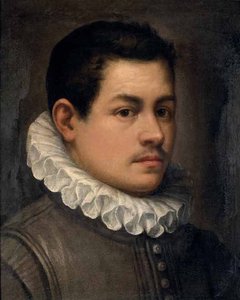
1560–1609, Италија
Анибале Карачи
Rani Život i Bolognski Koreni Anibal Karaci, rođen u Bolonji 3. novembra 1560. godine, poticao je iz porodice duboko ukorenjene u umetničkoj tradiciji. Njegovo rano obrazovanje verovatno se odvijalo u negujućem okruženju porodične radionice, postavljajući temelje za karijeru koja će produbno promeniti pejzaž italijanskog slikarstva.
O umetniku Анибале Карачи Istaknuta dela umetnika Анибале Карачи
Takođe i Анибале Карачи
 Sunce grašari
 Heraklov izbor
 Анибале Караћи
Избор Херкула: Мајсторско дело Барокне драме
167 x 273 cm
Избор Херкула
15961596
 Плавајућа Панорама1589

Eseji o delu Pan
 The Language of Animals in Art: From Ancient Egypt to the RenaissanceExplore the profound history of animal symbolism from Egypt to the Renaissance. Trace these ancient motifs through art history now.
 Annibale Carracci: Bridging Renaissance Ideals & Baroque InnovationExplore the life & art of Annibale Carracci, a pivotal figure bridging Renaissance ideals with Baroque innovation. Discover his masterpiece…
 Divine Beauty: The 25 Most Iconic Masterpieces by Fra AngelicoJourney through the divine beauty of Fra Angelico's finest works. Explore 25 iconic Renaissance masterpieces, from ethereal frescoes to sac…