
Kazalo vsebine
Ključne informacije
- Location: Oxford, United Kingdom
- Alternate names:
- Taylor Institution
- Taylorian
- Featured artists:
- Georg Sauter
- ernest moore
- georges van houten
- Works on APS: 4
Umetniki v zbirki

Georg Sauter
Georg Sauter (1866-1937) was a German-English painter known for evocative portraits, landscapes & Whistler-influenced works. He navigated artistic circles in London & Germany, creating both celebrated and controversial pieces. Explore his life & art!


ernest moore
Explore portraits by Ernest Moore (1865-1940), capturing Victorian society & notable figures like James Bryce. Discover his refined style & historical significance.

Georges Van Houten
Odkrijte vzbujajoča slikarska dela Georgesa van Houtena – nizozemskega umetnika, znanega po intimnih portretih, aktih in živih slikah. Raziščite njegova čudovita dela!

Umetniški kviz
Za vsako vprašanje je na voljo le en pravilen odgovor.
Vprašanje 1:
What is the primary focus of the Taylor Institution Library's collection?
Vprašanje 2:
When was the Taylor Institution established?
Vprašanje 3:
Which notable item is housed in the Taylor Institution Library?
Vprašanje 4:
What architectural style characterizes the building that houses the Taylor Institution?
Vprašanje 5:
The Annual Lecture on Foreign Literature at the Taylor Institution began in what year?
Sorodni članki

Geometrična Abstraktna Umetnost: 10 Mojstrovin za Vaš Dom | OriginalUniqueArt.com
Odkrijte 10 mojstrovin geometrične abstrakcije! Mondrian, Malevich, Kandinsky in drugi. Zgodbe umetnikov, tehnike ter navdih za vaš dom. Kvalitetne reprodukcije slik na OriginalUniqueArt.com. Raziskajte celotno zbirko online!
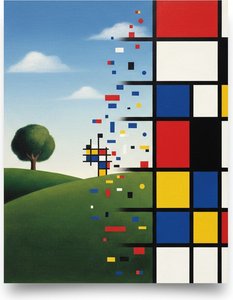
Piet Mondrian: Deconstructing Reality – A Study of Neo-Plasticism & Universal Harmony
Explore the revolutionary art of Piet Mondrian and the principles of Neo-Plasticism. Discover De Stijl's influence, iconic compositions like 'Composition with Red, Yellow and Blue,' and Mondrian’s lasting legacy on modern design.
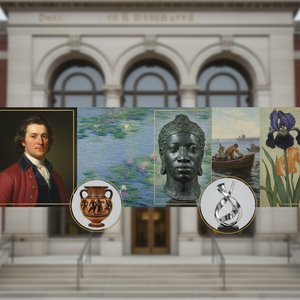
25 Mojstrovin Bostonskega Muzeja Umetnosti: Navdih za Vaš Dom | OriginalUniqueArt
Odkrijte 25 ikoničnih mojstrovin Bostonskega muzeja umetnosti! Preberite zgodbe slikarjev, tehnike in navdih za vaše stene. Reprodukcije slik, impresizem, renesansa & več na OriginalUniqueArt.com.
Seznam umetnin v Taylor Institution
Ni najdenih umetnin.