Preobrazljena katedrala: Trajno dediščino Notre-Dame de Paris
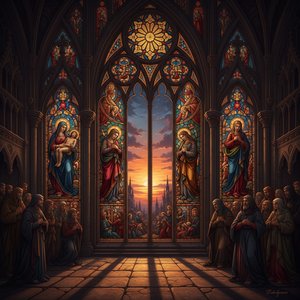
Samo ime, Notre-Dame de Paris, v človeka vzbudi odmev stoletij zgodovine, vere in umetniškega doseganja – spomen neustrašnega duha same Francije. Več kot le zgradba, je to poglobljena kronika, vrezana v kamen, steklo in šepet molitv. S veličastno obliko, ki se vzdigaja nad otokom Île de la Cité, je silueta katedrale že skoraj tisoč let vladala pariškiemu obzorju, bila priča kronacijam, revolucijam in nesštečnim trenutkom, ki so oblikovali identiteto države. Njena zgodba je zgodba o dihashajujočih arhitekturnih inovacijah, globoki simboliki in, najaktivneje, o izjemnem dejanju kolektivne odpornosti. Prvotno načrtovana v 12. stoletju pod vodstvom škofa Mauricea de Sullyja kot svetilnik gotičke veličastnosti, je Notre-avrat hitro presegel svojo prvotno namenjenost in postal simbol pariškega ponosa ter steben v francoski kulturi. Ambiciozna zasnova – radikalna odločitev za odstop od težjih romanskih slogov, ki so bili takrat prevladujoči – je želela vzbuditi občutek strahopoštovanja in kontemplacije, kar je dosegla s prelomnimi strukturnimi napredki, kot sta rebrasti svodi in šiljasti vijci, ki so ustvarili nepregleden občutek vertikalnosti in svetlobe. Fasada katedrale je pristno tapiserija vrezanih zgodb, kjer vsaka figura – biblični junaki, svetniki, alegorijske predstavitve – služi kot vizualno nedelovanje za generacije vernikov. Rožna okna, še posebej južno rožno okno, so vrhunska dela umetnosti steklenih slik; njihove kaleidoskopsko barve in zapletene geometrične vzorce odražajo tako božansko lepoto kot človeško izumevanje. Toda pomen Notre-Dame sega daleč presega njeno fizično obliko; služila je kot neprestana muza za umetnike skozi stoletja, navdihovala pa je slikarje, kot sta Frederick Childe Hassam, ki je ujel katedralo v zlati svetlobi, in Charles Webster Hawthorne, ki je dokumentiral njen videz v 19. stoletju. Nedavne prizadevanja za obnovo, ki so s skrbno natančnostjo kopirala originalne materiale in tehnike, zagotavljajo, da se ponovno rojena Notre-Dame zvesto odrazi svoji zgodovinski dediščini – ganljiv opomin na vrhunsko mojstristvo, ohranjanje in neomajno voljo naroda.
Požar in svetovni odziv
15. april 2019 je označil uničujočo prelomnico v zgodovinski poti Notre-Dame – dan, ki je za vedno ostal v kolektivnem spominu Francije in sveta. Katastrofalni požar je objel vrh in streho katedrale, ob tem pa so se nad Parizom dvignili sajavi dimu, ki so sprožili val žalosti in odločnosti. Dogodek ni bil le izguba arhitekturnega razmera; predstavljal je uničenje oprijemljive vezi z francijo preteklo in globok simbol nacionalne identitete. Takoj po dogodku se je pojavil nepregleden svetovni trud – z donacijami posameznikov, podjetij in vlad po vsem svetu je bilo zbrano več kot 840 milijonov evrov, kar dokazuje trajni pomen katedrale za človeštvo. Natančen proces rekonstrukcije, začet v letu 2020, je prednost dala kopiranju originalnih materialov in tehnik, pri čemer je sodeloval ekipni vrhunčnih mojstrov, ki so z neustrašljivo natančnostjo obnovili poškodovano leseno konstrukcijo, ponovno ustvarili izgubljene skulpture in skrbno sestavili fragmente steklenih slik. Vpliv požara je presegal fizično škodo; sprožil je val čustev, saj so milioni ljudi po vsem svetu izrazili svojo bolečino in ponudili podporo obnovi katedrale. Dogodek je tudi izpostavil pomembnost ohranjanja kulturne dediščine in poudaril ranljivost zgodovinskih znamenitosti pred nesrečami.
Tapiserija umetniških odmevov
Vpliv Notre-Dame presega njeno fizično obliko in navdihuje generacije umetnikov skozi različne medije. Skozi stoletja so slikarji poskušali ujeti njeno veličastno lepoto – od evokativnih slik Fredericka Childa Hassama v delu »Paris (188vanje)«, ki prikazuje katedralo v zlati svetlobi, do slik Charlesa Webstera Hawthorneja, ki dokumentirajo njen videz v 19. stoletju. Dela Philippe de Champaigne in Sébastien Bourdona, pomembnih osebnosti francoskega baroka, še bogatijo naše razumevanje umetniškega konteksta katedrale, saj prikazujejo njeno vlogo kot ozadja za religiozne zaporedje in portrete vplivnih osebnosti. Nove izložbe so poglobil nazor v specifične vidike zgodovine Notre-Dame – od njene vloge pri kraljevih kronacijah do evolucije njenih steklenih slik. Kripta pod katedralo ponuja vpogled v njene najstarejše razvojne faze, saj v njej čuvajo srednjovelovne relikvije, ki odmevajo z globokim zgodovinskim in religioznim pomenom. Skrbno obnovljeni orgel, vrhunsko delo 13. stoletnega mojstristva, še vedno polni prostore notranjosti z očarujajočo glasbo – kot spomin na trajno moč umetnosti in vere.
Raziskovanje globin katedrale: Pot skozi čas
Po veličastni fasadi in visoki svodih Notre-Dame obiskovalcem ponuja bogastvo odkritij – priložnost, da stopijo čez čas in se povežejo s stoletji zgodovine ter umetnosti. Vodeni ogledi osvetljujejo arhitekturno zapletenost, simbolično slikovitost in trajno pripoved katedrale. Ne zamudite priložnosti za raziskovanje kripte, ki v njej čuva srednjovelovne relikvijo, ki nas neposredno povezujejo z izvorom katedrale. Skrbno obnovljeni orgel, vrhunsko delo 13. stoletnega mojstristva, še vedno polni prostore notranjosti z očarujočo glasbo – kot spomin na trajno moč umetnosti in vere. Zgodba katedrale ni le zgodba o kamnu in steklu; je živa kronika francijske zgodovine, duhovnosti in umetniške evolucije. Obisk Notre-Dame je poglobljena izkušnja, priložnost za kontemplacijo časa in cenjenje lepote ter odpornosti človeške ustvarjalnosti.