A Sanctuary of Light and Shadow: Sant’Andrea della Fratte
Nestled amidst the bustling heart of Rome, a world away from the grand avenues and iconic landmarks, lies Sant’Andrea della Fratte – a basilica that whispers tales of artistic innovation, religious devotion, and a surprisingly poignant history. More than just a church, it's a testament to the extraordinary convergence of visionaries: Giacomo della Porta, Carlo Maderno, Francesco Borromini, and Gian Lorenzo Bernini, each contributing their unique genius to create a space that continues to captivate visitors centuries later. The building’s location, originally on the outskirts of Rome – “fratte” meaning ‘thickets’ – speaks to its origins as a rural chapel, a humble beginning for an architectural marvel that embodies the dramatic spirit of the Baroque period.
Construction began in 1590, initially conceived as a replacement for an earlier structure. However, it quickly evolved under the influence of Maderno’s expansive plans, ultimately resulting in the breathtaking basilica we see today. The church's façade, while appearing relatively restrained at first glance, is a carefully orchestrated display of classical elements – pilasters, arches, and a balanced composition – designed to draw the eye upwards towards the soaring dome. Inside, however, lies a world transformed; Borromini’s revolutionary use of geometry and light creates an experience unlike any other in Rome. The church's design is a masterful blend of rational order and exuberant ornamentation, reflecting the complex intellectual currents of the time.
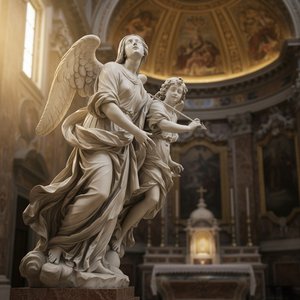
- Architectural Highlights: Borromini’s dome, with its intricate coffers and innovative structural solutions, is a cornerstone of Baroque architecture. Maderno’s expansion added a sense of grandeur, while Bernini's angelic figures in the transept offer a poignant counterpoint to the church’s overall dynamism.
- The Putridarium: A truly singular feature, the Putridarium – a small chamber adjacent to the main basilica – holds a dark and fascinating history. Originally designed as a space for preserving relics, it evolved into a macabre storage area for human remains, offering a stark reminder of the religious practices of the era.
- Religious Significance: Sant’Andrea della Fratte is inextricably linked to the story of Alphonse Ratisbonne, a Jewish man who experienced a profound spiritual awakening within its walls in 1842. His conversion and subsequent founding of the Congregation of Notre-Dame de Sion cemented the basilica's place as a site of pilgrimage and a symbol of religious reconciliation.
Baroque Innovation: A Symphony of Space
Sant’Andrea della Fratte is not merely beautiful; it’s profoundly innovative. Borromini, in particular, pushed the boundaries of architectural design, experimenting with concave and convex spaces to create a sense of dynamism and movement. His use of elliptical shapes and complex geometric patterns challenges traditional notions of perspective, drawing viewers into an immersive experience. The interplay of light and shadow within the church’s interior is particularly striking, transforming the space throughout the day as sunlight streams through the windows, illuminating the sculpted figures and intricate details.
Bernini's angelic figures in the transept are a testament to his mastery of sculpture. Their graceful poses and expressive faces convey a sense of serenity and devotion, complementing Borromini’s architectural innovations with a touch of human warmth. The overall effect is one of harmonious balance – a carefully orchestrated dialogue between architecture, sculpture, and light.
A Treasure Trove of Artistic Detail
Beyond its architectural brilliance, Sant’Andrea della Fratte houses a remarkable collection of artworks that further enrich the visitor experience. Chapels are adorned with paintings by prominent Baroque artists, including Borgognone, Ludovico Gimignani, and Francesco Trevisani, each contributing to the basilica's rich artistic tapestry. The altarpieces depict scenes from the lives of St. Andrew and other important religious figures, while the frescoes in the cloister offer a glimpse into the spiritual life of the monks who once resided within its walls.
- Notable Paintings: Look for Borgognone’s “Baptism of Christ” in the first chapel, Ludovico Gimignani's "Entombment of St. Andrew" and Francesco Trevisani’s “Crucifixion of St. Andrew”.
- Sculptural Treasures: Bernini’s angelic figures are a must-see, as is Pietro Bracci’s funerary monument to Cardinal Carafa.
A Legacy of Faith and Innovation
Sant’Andrea della Fratte stands as a unique testament to the spirit of the Baroque period – a time of artistic experimentation, religious fervor, and architectural innovation. Its combination of stunning design, intriguing history, and spiritual significance makes it an essential destination for art lovers, architecture enthusiasts, and anyone seeking a deeper understanding of Rome's rich cultural heritage. And best of all, admission is free, making this remarkable basilica accessible to all.