Portret William Pars

Slike avtorja William Pars: 4 najbolj znanih del skozi oči galerije

Posodobljeno oktober 2026 · uvrščeno glede na naš skoraj priljubljenosti (iskanja, obiske in naročila za vsako delo) · 4 del v našem katalogu avtorja William Pars

Kratek opis

Za oči galerije je najbolj znano sliko umetnika William Pars delo Landscape With Figures At An Open Air Meal (1771), katere original visi v muzeju Birmingham Museum and Art Gallery, Birmingham. The Grotto at Posillipo (1780) in A View From The King's Palace, Island Of Procita (1781) dopolnjujeta trijo, ki jo prepozna vsak pogled. Od 4 del avtorja William Pars v našem katalogu galerija spodaj predstavlja 4 najbolj znanih; vsako je original z letom nastanka, pripadajočim mu muzejem in opisom tistega, kar ga dela edinstavnim.

1742 – 1782, London Največ del: Birmingham Museum and Art Gallery

Top 10 slik umetnika William Pars v galeriji

4
Ледник Рона и исток реки Рона (1770) avtorja William Pars

Ледник Рона и исток реки Рона

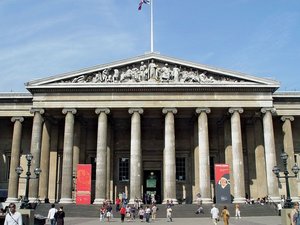
1770 · Akvarel · British Museum, London

William Pars: Želeta Glaciar in Vir Rhona Želeta Glaciar in Vir Rhona je izjemno vodeno umetniško delo slovenskega krajinskega slikarja Williama Parsa, ki ga je ustvaril leta 1770. Danes je galerija britanskega muzeja v Londonu hranila kot pomembna kulturna dediščina, kar omogoča globoko vpogled v umetnostno obdobje razsvetljenskega kraljestva in lepoto alpskega okolja. Parsovo mojstrovstvo je bilo rezultat kombinacije natančnega pozorja narave ter znanstvene metode, ki sta bila značilna za…

Muzeji, ki hranijo originala umetnika William Pars

2 muzejev, ki vsebujo največ slik na tej strani.

Muzej Mesto Sloga William Pars Slike iz tega seznama
Birmingham Museum and Art Gallery, BirminghamBirmingham Museum and Art Gallery Birmingham 3 Landscape With Figures At An Open Air Meal, The Grotto at Posillipo, A View From The King's Palace, Island Of Procita
British Museum, LondonBritish Museum London 1 Ледник Рона и исток реки Рона

William Pars, značilna dela vsakega leta

Kariera umetnika William Pars na tej strani obsega 12 let, od 1770 do 1781: vsako leto je tu predstavljeno z njegovimi najbolj znanimi originali.

Delo po letih

Izberite leto in oglej originale.

Slike umetnika William Pars: odgovori galerije

Katero sliko avtorja William Pars je najbolj znana med vsemi?Razkriti odgovor

Landscape With Figures At An Open Air Meal (1771), Birmingham Museum and Art Gallery, Birmingham. Zatem sledeta The Grotto at Posillipo (1780) in A View From The King's Palace, Island Of Procita (1781).

Koliko je bil William Pars let, ko je dokončal Landscape With Figures At An Open Air Meal?Razkriti odgovor

29 let: delo Landscape With Figures At An Open Air Meal iz leta 1771, William Pars pa je bil/a rojen/a leta 1742.

Koliko dzieł stworzył William Pars?Razkriti odgovor

Naš katalog vsebuje 4 del avtorja William Pars, datiranih od 1770 do 1781.

Kje so razpostavljena najbolj znana originala umetnika William Pars?Razkriti odgovor

Večini v Birmingham Museum and Art Gallery (Birmingham) in British Museum (London). Zgoraj navedena tabela muzejev vsebuje njihov celoten seznam.

Kateri so najstarejši in najmlajši znanii dela umetnika William Pars?Razkriti odgovor

Na tej strani je najstarejše delo iz Ледник Рона и исток реки Рона (1770) in najstarejše iz A View From The King's Palace, Island Of Procita (1781).

Katera originalna dela umetnika William Pars ima v svoji zbirki Birmingham Museum and Art Gallery?Razkriti odgovor

Landscape With Figures At An Open Air Meal, The Grotto at Posillipo in A View From The King's Palace, Island Of Procita: v muzeju Birmingham Museum and Art Gallery, Birmingham se nahaja 3 del z te strani.

William Pars: umetnik

Early Life and Artistic Training

William Pars (1742 – 1782) emerged from the bustling intellectual landscape of London, born into a family steeped in craftsmanship—his father was a metal engraver—a profession that instilled in him an appreciation for precision and detail. Recognizing his innate talent for drawing, Pars pursued formal artistic education at Shipley’s Drawing School and St Martin's Lane Academy, institutions renowned for fostering the burgeoning neoclassical aesthetic. Crucially, he benefited from instruction under Henry Howard Richmond, Duke of Richmond’s Gallery, gaining invaluable experience in observing and replicating classical forms—a formative influence that would permeate his subsequent oeuvre.

Greek Antiquities: Pioneering Exploration

Pars's artistic journey took a decisive turn with the invitation to accompany Richard Chandler and Nicholas Revett on an expedition to Greece commissioned by the Dilettanti Society in 1764. This ambitious undertaking wasn’t merely a sightseeing trip; it represented a concerted effort to revive classical scholarship and disseminate knowledge of Greek culture amongst British intellectuals. Pars meticulously documented the ruins of Athens and Corinth, producing breathtaking watercolor drawings that captured the grandeur of ancient monuments and temples with remarkable accuracy. These drawings formed the cornerstone of ‘Ionian Antiquities,’ a four-volume publication that became a seminal work in the field of archaeology and cemented Pars’s reputation as a visionary explorer and artist.

Royal Academy Membership and Artistic Development

Pars's dedication to artistic excellence culminated in his election as an Associate Member of the Royal Academy in 1770, marking a significant milestone in his career. From this vantage point, he continued to contribute prolifically to the Academy’s exhibitions until 1776, primarily focusing on portraiture—a genre that allowed him to hone his skills in capturing psychological nuance and conveying emotion through subtle tonal variations. His artistic style evolved throughout these years, reflecting the prevailing trends of the Enlightenment while maintaining a distinctive sensitivity to light and color. Notably, he studied alongside fellow artists like John Warwick Smith and Francis Towne at Rome’s Accademia di Belle Arti, absorbing influences from the Baroque tradition and experimenting with innovative techniques.

Notable Works and Legacy

Pars's artistic output encompassed a diverse range of subjects—landscapes, portraits, and genre scenes—each executed with meticulous detail and imbued with atmospheric subtlety. Among his most celebrated paintings are ‘The Rhône Glacier,’ a dramatic depiction of the Swiss Alps showcasing Pars’s masterful command of watercolor pigments; ‘A Roman Monument at Igel,’ reflecting his fascination with classical ruins; and ‘The Source of the Rhône,’ capturing the serene beauty of the Rhone Valley. His drawings were reproduced extensively for scholarly publications, notably ‘Ionian Antiquities,’ ensuring that his contribution to Greek archaeology would endure for generations. Furthermore, William Woollett engraved several Swiss landscapes from Pars’s collection, preserving these visual records as invaluable artifacts of eighteenth-century art and scientific inquiry. Pars's legacy resides not only in his artistic achievements but also in his role as a catalyst for intellectual curiosity and cultural revival—a testament to the transformative power of art and scholarship intertwined.