


1


Posodobljeno november 2026 · uvrščeno glede na naš skoraj priljubljenosti (iskanja, obiske in naročila za vsako delo) · 15 del v našem katalogu avtorja Samuel Schwarz
Kratek opis
Za oči galerije je najbolj znano sliko umetnika Samuel Schwarz delo Harbor in Mallorca (1914), katere original visi v muzeju Stedelijk Museum, Alkmaar. A Farm in Bergen (1916) in Mallorca (1914) dopolnjujeta trijo, ki jo prepozna vsak pogled. Od 15 del avtorja Samuel Schwarz v našem katalogu galerija spodaj predstavlja 6 najbolj znanih; vsako je original z letom nastanka, pripadajočim mu muzejem in opisom tistega, kar ga dela edinstavnim.
2 muzejev, ki vsebujo največ slik na tej strani.
| Muzej | Mesto | Sloga Samuel Schwarz | Slike iz tega seznama |
|---|---|---|---|
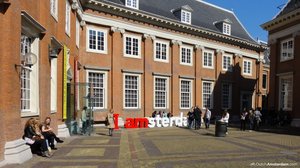 Zgodovinski muzej v Amsterdamu |
Amsterdama | 4 | Mallorca, Dorpsstraat in the Sun, Still Life |
 Stedelijk Museum |
Alkmaar | 2 | Harbor in Mallorca, A Farm in Bergen |
Kariera umetnika Samuel Schwarz na tej strani obsega 14 let, od 1912 do 1925: vsako leto je tu predstavljeno z njegovimi najbolj znanimi originali.
Izberite leto in oglej originale.


Harbor in Mallorca (1914), Stedelijk Museum, Alkmaar. Zatem sledeta A Farm in Bergen (1916) in Mallorca (1914).
38 let: delo Harbor in Mallorca iz leta 1914, Samuel Schwarz pa je bil/a rojen/a leta 1876.
Naš katalog vsebuje 15 del avtorja Samuel Schwarz, datiranih od 1912 do 1925.
Večini v Zgodovinski muzej v Amsterdamu (Amsterdama) in Stedelijk Museum (Alkmaar). Zgoraj navedena tabela muzejev vsebuje njihov celoten seznam.
V obdobju 1914: 2 od 6 del na tej strani je bilo izdelovanih takrat, med njimi pa Harbor in Mallorca.
Na tej strani je najstarejše delo iz Dorpsstraat in the Sun (1912) in najstarejše iz Still Life on a Set Table (1925).
Mallorca, Dorpsstraat in the Sun in Still Life: v muzeju Zgodovinski muzej v Amsterdamu, Amsterdama se nahaja 4 del z te strani.
Born in Zutphen, Netherlands, Samuel Leser Schwarz lived through a period of profound transformation in the European landscape. Known to many by the name Mommie Schwarz, he moved through the early twentieth century with a spirit that embraced the shifting boundaries of modern expression. His path was not one of quiet tradition, but rather an engagement with the bold, experimental currents of his era.
His existence spanned the turn of the century into the dark years of the 1940s, a time when the very foundations of society were being reshaped by conflict. As a painter and graphic artist, he sought to capture the essence of a changing world through the lens of new movements. His work reflects the tension between the seen and the felt.
In his studio, Schwarz found a way to communicate through the raw energy of the Avant-garde and Expressionism. He did not merely record scenes; he interpreted them. One might look at his oil on canvas works, such as Dorpsstraat in de zon from 1912, to see how he handled light and atmosphere. The brushstrokes carry a weight that speaks of the artist's internal response to the subject matter.
His technical approach allowed for a certain fluidity of thought. By working within the realms of both painting and graphic arts, he explored different textures and depths. This versatility helped him navigate the complex artistic dialogues of the early 1900s.
Though his life reached its end in Germany in 1942, the traces of his vision remain held within significant collections. His contributions to the visual record are found in places such as the Jewish Museum in the Netherlands, where pieces of his history are kept safe from the passage of time.
The importance of his work lies in its connection to the broader movements of his age. He remains a figure whose hand helped shape the experimental spirit of the early twentieth century, leaving behind works that continue to be studied for their unique perspective on the world around him.
