


1


Posodobljeno november 2026 · uvrščeno glede na naš skoraj priljubljenosti (iskanja, obiske in naročila za vsako delo) · 59 del v našem katalogu avtorja Robert Gwathmey
Kratek opis
The Farmer Wanted a Boy (1942) je slika avtorja Robert Gwathmey, ki pritegne največ pogledov; original se nahaja v muzeju Art Institute of Chicago, Chicago. Nato se pogled smeri k Portrait of a Farmer's Wife (1951) in Parade (1951). Med 59 dela umetnika Robert Gwathmey v našem katalogu so ta 56 najbolj znana; vsako je edinstven original, predstavljen z letnico nastanka, muzejem in razlogom za njegovo nečasenost.


The Parade painting by Robert Gwathmey is a remarkable piece of art that showcases the artist's unique style and technique. Created in 1951, this watercolour painting measures 53 x 36 cm and is currently housed at the Smithsonian American Art Museum in the United States. Artist Background Robert Gwathmey was an American artist known for his bold and expressive works of art. Born in 1903, he was a prominent figure…


 Untitled (853)
12
 Untitled (574)
13
 Untitled (791)
14
 Untitled (219)
15
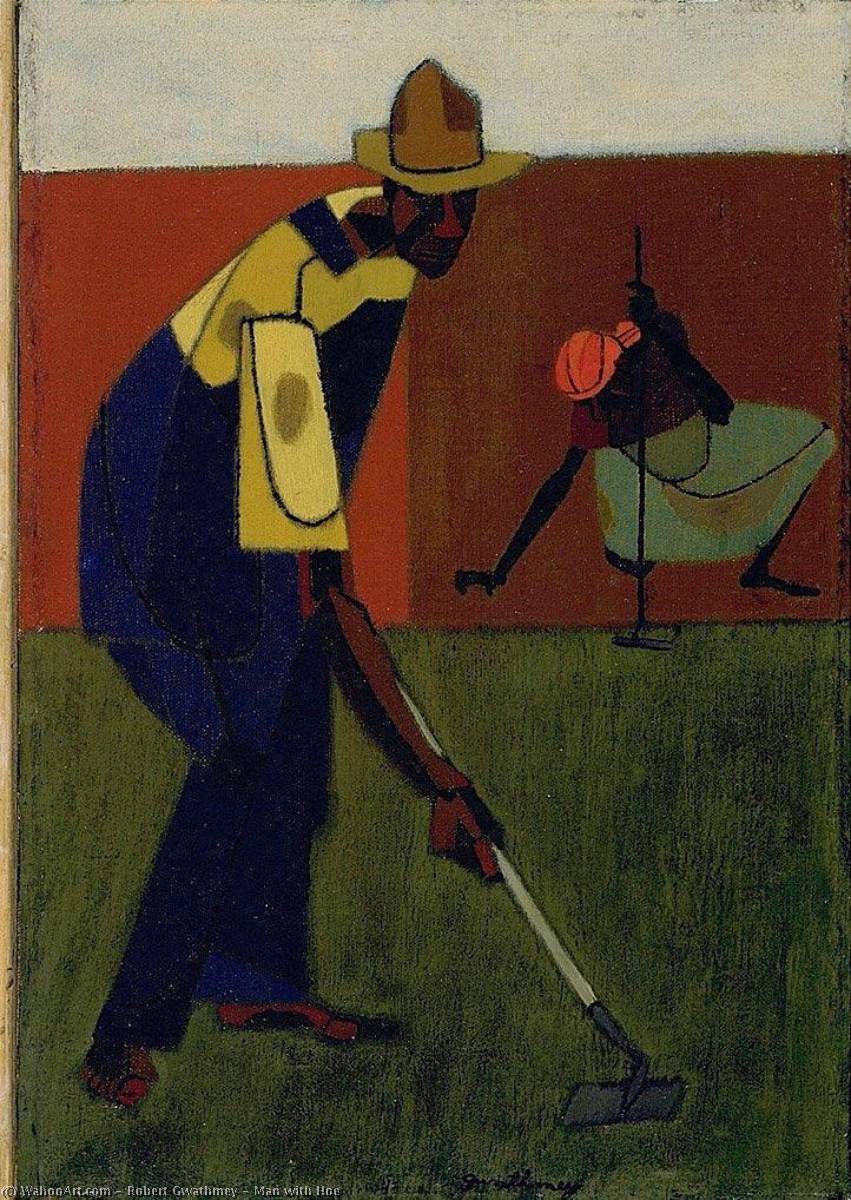
 Man with Hoe1944
16
 Singing and Mending1944
17
 Front Porch1947
18
 Poll Tax Country1945
19
 Sharecroppers and Blackberry Pickers1950
20
 Carrying the Sack1950
21
 Asleep at the Table1945 · Ogden Museum of Southern Art
22
 Untitled (813)
23
 Untitled (585)
24
 Untitled (196)
25
 Untitled (106)
26
 Untitled (721)
27
 Untitled (226)
28
 Untitled (193)
29
 Untitled (805)
30
 Untitled (561)
31
 Untitled (348)
32
 Untitled (491)
33
 Untitled (360)
34
 Untitled (416)
35
 Untitled (558)
36
 Untitled (285)
37
 Untitled (857)
38
 Untitled (207)
39
 Untitled (788)
40
 Untitled (724)
41
 Untitled (668)
42
 Untitled (655)
43
 Untitled (626)
44
 Untitled (735)
45
 Untitled (909)
46
 Untitled (968)
47
 Untitled (878)
48
 Untitled (106)
49
 Untitled (958)
50
 Untitled (857)
51
 Untitled (430)
52
 Untitled (750)
53
 Untitled (183)
54
 Untitled (229)
55
 Untitled (565)
56
 Going Home
2 muzejev, ki vsebujo največ slik na tej strani.
| Muzej | Mesto | Sloga Robert Gwathmey | Slike iz tega seznama |
|---|---|---|---|
 Art Institute of Chicago |
Chicago | 1 | The Farmer Wanted a Boy |
 Ogden Museum of Southern Art |
New Orleans | 1 | Asleep at the Table |
Originalna dela umetnika Robert Gwathmey, prikazana tukaj, pokrivajo obdobje približno deset let, od 1942 do 1951: oko jih sledi leto za letom.
Izberite leto in oglej originale.


The Farmer Wanted a Boy (1942), Art Institute of Chicago, Chicago. Zatem sledeta Portrait of a Farmer's Wife (1951) in Parade (1951).
39 let: delo The Farmer Wanted a Boy iz leta 1942, Robert Gwathmey pa je bil/a rojen/a leta 1903.
The Farmer Wanted a Boy, Portrait of a Farmer's Wife, Parade, Untitled (504), Untitled (978), Untitled (811), Untitled (540), Untitled (830), Untitled (598) in Untitled (389). Zgornja lestica prikazuje leto nastanka in muzej za vsako delo.
Naš katalog vsebuje 59 del avtorja Robert Gwathmey, datiranih od 1942 do 1951.
Večini v Art Institute of Chicago (Chicago) in Ogden Museum of Southern Art (New Orleans). Zgoraj navedena tabela muzejev vsebuje njihov celoten seznam.
V obdobju 1944: 2 od 56 del na tej strani je bilo izdelovanih takrat, med njimi pa Man with Hoe.
Na tej strani je najstarejše delo iz The Farmer Wanted a Boy (1942) in najstarejše iz Portrait of a Farmer's Wife (1951).
Social realism, glede na originala na tej strani.