Portret Michelangelo Morlaiter

Slike avtorja Michelangelo Morlaiter: 35 najbolj znanih del skozi oči galerije

Posodobljeno november 2026 · uvrščeno glede na naš skoraj priljubljenosti (iskanja, obiske in naročila za vsako delo) · 93 del v našem katalogu avtorja Michelangelo Morlaiter

Kratek opis

Za oči galerije je najbolj znano sliko umetnika Michelangelo Morlaiter delo Pieta (1499), katere original visi v muzeju Bazilika Svetega Petra, Roma. Study for Haman (1508) in Design for a statue of Henry II of France (1559) dopolnjujeta trijo, ki jo prepozna vsak pogled. Od 93 del avtorja Michelangelo Morlaiter v našem katalogu galerija spodaj predstavlja 35 najbolj znanih; vsako je original z letom nastanka, pripadajočim mu muzejem in opisom tistega, kar ga dela edinstavnim.

High renaissance Največ del: British Museum

Top 10 slik umetnika Michelangelo Morlaiter v galeriji

1
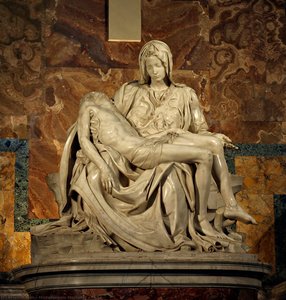
Pieta (1499) avtorja Michelangelo Morlaiter

Pieta

1499 · Marble · Bazilika Svetega Petra, Roma

The composition centers on the intimate, physical connection between Mary and her son. In this close-up view, the focus remains entirely on the Virgin Mary as she cradles the body of Jesus in her arms. The arrangement of the figures emphasizes a quiet moment of maternal comfort, capturing the weight of the body against her form. This central grouping is elevated upon a pedestal, which provides a sense of prominence…

2
Study for Haman (1508) avtorja Michelangelo Morlaiter

Study for Haman

1508 · Drawing · British Museum, London

To gaze upon this preparatory study is to step directly into the intense, focused crucible of artistic genius. It is not a finished narrative, but rather a profound meditation—a skeleton rendered in pigment—that speaks volumes about the mind wrestling with form and divine proportion. The subject matter itself, though titled Study for Haman, transcends any single story; it becomes an exhaustive exploration of the human vessel. Here, the artist has…

3
Design for a statue of Henry II of France (1559) avtorja Michelangelo Morlaiter

Design for a statue of Henry II of France

1559 · Ink On Paper · Rijksmuseum, Amsterdam

In this exquisite pen and ink drawing, we are transported back to the mid-16th century, witnessing a moment of profound artistic preparation. The work, titled Design for a statue of Henry II of France, serves as a meticulous blueprint for a monument intended to immortalize a monarch. At its heart lies an equestrian figure, a powerful composition of horse and rider that commands the viewer's attention through sheer anatomical precision.…

Slikarska dela umetnika Michelangelo Morlaiter, uvrščena od 11 do 35

Slavna platna umetnika Michelangelo Morlaiter, razdeljena po obdobjih

Motivi, ki so očarali Michelangelo Morlaiter

Četiri teme, ki se v teh originalih najpogosteje ponavljajo, vsaka z svojim vrhunskim primerom.

Muzeji, ki hranijo originala umetnika Michelangelo Morlaiter

8 muzejev, ki vsebujo največ slik na tej strani.

Muzej Mesto Sloga Michelangelo Morlaiter Slike iz tega seznama
British Museum, LondonBritish Museum London 9 Study for Haman, Sketch of a Nude Man (study for the "Battle of Cascina"), Ideal head of a woman
Louvre, ParizLouvre Pariz 4 Male nude and arm of bearded man, Study of ^quot;Christ on the Cross between the Virgin and St. John the Evangelist^quot;, Studija za Rezurrecijo Kristusa
Palazzo Grassi, BenetkePalazzo Grassi Benetke 2 Decoration of the grand staircase, Venetian Reception (detail)
Bazilika Svetega Petra, RomaBazilika Svetega Petra Roma 1 Pieta
Rijksmuseum, AmsterdamRijksmuseum Amsterdam 1 Design for a statue of Henry II of France
San Pietro in Vincoli, RimSan Pietro in Vincoli Rim 1 Moses
Ashmolean Museum of Art and Archaeology, OxfordAshmolean Museum of Art and Archaeology Oxford 1 Portrait of Andrea Quaratesi
Galleria degli Uffizi, FireneGalleria degli Uffizi Firene 1 Design for Julius II tomb (first version)

Michelangelo Morlaiter, ena značilna slika na desetletje

Delo po desetletjih

Izberite desetletje, da si ogledate original, ki ga opredeljuje.

Slike umetnika Michelangelo Morlaiter: odgovori galerije

Katero sliko avtorja Michelangelo Morlaiter je najbolj znana med vsemi?Razkriti odgovor

Pieta (1499), Bazilika Svetega Petra, Roma. Zatem sledeta Study for Haman (1508) in Design for a statue of Henry II of France (1559).

Katera je 10 najboljjših slik umetnika Michelangelo Morlaiter?Razkriti odgovor

Pieta, Study for Haman, Design for a statue of Henry II of France, Battle of Cascina (Copy by Michelangelo's pupil Aristotele da Sangallo), The Study of Adam, Sistine Chapel Ceiling: God Dividing Land and Water, Male nude and arm of bearded man, Sistine Chapel Ceiling: God Dividing Light from Darkness, Sketch of a Nude Man (study for the "Battle of Cascina") in Sistine Chapel Ceiling. Zgornja lestica prikazuje leto nastanka in muzej za vsako delo.

Koliko dzieł stworzył Michelangelo Morlaiter?Razkriti odgovor

Naš katalog vsebuje 93 del avtorja Michelangelo Morlaiter, datiranih od 1499 do 1766.

Kje so razpostavljena najbolj znana originala umetnika Michelangelo Morlaiter?Razkriti odgovor

Večini v British Museum (London), Louvre (Pariz) in Palazzo Grassi (Benetke). Zgoraj navedena tabela muzejev vsebuje njihov celoten seznam.

Kdaj je Michelangelo Morlaiter ustvaril svoja najbolj znana slika?Razkriti odgovor

V obdobju 1500s: 11 od 35 del na tej strani je bilo izdelovanih takrat, med njimi pa Study for Haman.

Kateri so najstarejši in najmlajši znanii dela umetnika Michelangelo Morlaiter?Razkriti odgovor

Na tej strani je najstarejše delo iz Pieta (1499) in najstarejše iz Decoration of the grand staircase (1766).

Kateri motivi so bili za Michelangelo Morlaiter najbolj značilni?Razkriti odgovor

Human form (3), Human anatomy (2) in Religious art (2), na 35 delih na tej strani.

Pri katerem medijem je Michelangelo Morlaiter delal največ?Razkriti odgovor

Ink On Paper, za 2 od 35 del na tej strani.

S katerim umetnostnim slogom je povezan Michelangelo Morlaiter?Razkriti odgovor

High renaissance in Renaissance, glede na originala na tej strani.

Katera originalna dela umetnika Michelangelo Morlaiter ima v svoji zbirki British Museum?Razkriti odgovor

Study for Haman, Sketch of a Nude Man (study for the "Battle of Cascina") in Ideal head of a woman: v muzeju British Museum, London se nahaja 9 del z te strani.

Michelangelo Morlaiter: umetnik

Michelangelo Morlaiter: Venetian Sculptor and Fresco Artist

Michelangelo Morlaiter (1766 – Present) stands as a testament to the enduring legacy of Venetian artistic tradition, particularly within the School of Athens. Born into a family steeped in sculpture—his father, Giovanni Maria Morlaiter, was himself a celebrated sculptor—Michelangelo inherited not only talent but also an unwavering dedication to mastering the craft of disegno, the foundational principles of Renaissance art. His formative years were spent absorbing the artistic atmosphere of Venice, a city renowned for its patronage of the arts and its commitment to preserving classical ideals.
  • Early Life & Training:
  • Giovanni Maria Morlaiter’s influence was paramount in shaping Michelangelo's early artistic sensibilities. He honed his skills under Giovanni Battista Falconetti, a master sculptor known for his meticulous attention to detail and anatomical accuracy. This rigorous training instilled in Morlaiter a profound understanding of sculptural technique—a skill he would later translate into breathtaking frescoes that adorn prominent Venetian churches.

The Accademia di Scoltura, Pittura, ed Architettura Civile: A Crucible of Artistic Innovation

Michelangelo Morlaiter’s contribution to Venetian art extends far beyond individual masterpieces. He was a founding member and professor at the Accademia di Scoltura, Pittura, ed Architettura Civile in Venice (established 1766), an institution dedicated to reviving classical artistic ideals and fostering excellence in sculpture, painting, and architecture. This academy served as a vital hub for disseminating knowledge and nurturing talent—producing generations of artists who would shape the visual landscape of Venice and beyond. Morlaiter’s role as educator ensured that Venetian artistic traditions continued to flourish into the 19th century.
  • Notable Commissions & Artistic Style:
  • Morlaiter gained renown for his monumental sculptures, notably ‘Ignudo,’ a stunning nude study reflecting the influence of Michelangelo Buonarroti and embodying the humanist spirit of the Renaissance. His frescoes within Chiesa dell'Angelo Raffaele—particularly “The Study of Adam”—demonstrate masterful fresco technique, characterized by layering pigments onto wet plaster to achieve luminous colors and unparalleled textural depth. These works exemplify Venetian Rococo art’s elegance and grace.

Influences & Artistic Legacy

Morlaiter's artistic vision was deeply rooted in the humanist ideals of the Renaissance, mirroring the broader cultural movement that championed reason, observation, and human dignity. He drew inspiration from Michelangelo Buonarroti’s sculptural achievements—particularly his David—and embraced the stylistic conventions of Venetian Rococo art, prioritizing decorative splendor and emotional expression alongside technical virtuosity. His enduring legacy resides in his contribution to Venetian artistic heritage and his role as a pivotal figure in shaping the aesthetic sensibilities of his time.
  • Major Achievements:
  • Morlaiter’s sculptures are celebrated for their anatomical precision and expressive dynamism, capturing the human form with remarkable realism. His frescoes—particularly “The Study of Adam”—are considered masterpieces of Venetian fresco painting, showcasing unparalleled color palettes and textural nuances. He cemented his place in art history as a champion of classical ideals and a pivotal voice within Venice’s artistic community.

Historical Significance

Michelangelo Morlaiter's work represents more than just aesthetic beauty; it embodies the spirit of Venetian Renaissance culture—a commitment to reviving classical art forms and upholding humanist values. His influence extended beyond his immediate circle, shaping artistic trends throughout Venice and contributing to the preservation of Venetian artistic traditions for centuries to come. He stands as a symbol of Venetian artistic excellence and a testament to the enduring power of disegno.