1


Posodobljeno november 2026 · uvrščeno glede na naš skoraj priljubljenosti (iskanja, obiske in naročila za vsako delo) · 1 del v našem katalogu avtorja Matilda Heming
Kratek opis
Za oči galerije je najbolj znano sliko umetnika Matilda Heming delo Backwater, Weymouth (1840), katere original visi v muzeju British Museum, London. Od 1 del avtorja Matilda Heming v našem katalogu galerija spodaj predstavlja 1 najbolj znanih; vsako je original z letom nastanka, pripadajočim mu muzejem in opisom tistega, kar ga dela edinstavnim.
1 muzejev, ki vsebujo največ slik na tej strani.
| Muzej | Mesto | Sloga Matilda Heming | Slike iz tega seznama |
|---|---|---|---|
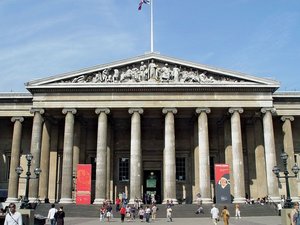 British Museum |
London | 1 | Backwater, Weymouth |
Vsako datirano originalno delo umetnika Matilda Heming na tej strani je bilo izdelovano leta 1840: tukaj so, najprej najbolj znana.
Izberite leto in oglej originale.
Backwater, Weymouth (1840)
44 let: delo Backwater, Weymouth iz leta 1840, Matilda Heming pa je bil/a rojen/a leta 1796.
Naš katalog vsebuje 1 del avtorja Matilda Heming.
Večini v British Museum (London). Zgoraj navedena tabela muzejev vsebuje njihov celoten seznam.
Born in London, United Kingdom, in 1796, Matilda Heming entered a world where the boundaries of professional artistry were often defined by gender and lineage. As the daughter of Wilson Lowry, she grew up within a family deeply connected to the visual arts, a circumstance that likely shaped her early understanding of composition and line. Her brother, Joseph Wilson Lowry, would go on to find his own way as an engraver, marking a family legacy of technical precision. While her contemporaries often focused on the rigid structures of formal portraiture, Heming found a particular resonance in the fluid, often unpredictable nature of watercolor.
Her practice was characterized by a dual focus. She possessed the patience required for detailed watercolor portraits, yet she also turned her eye toward the shifting light of the natural landscape. This versatility allowed her to move between the intimate study of a human subject and the expansive, atmospheric qualities of the outdoors. Her work was not merely a collection of images but a record of a specific, observant way of seeing the world during the early nineteenth century.
Heming’s output is defined by the subjects that occupied her studio and the collections that preserved them. Her technical skill was recognized by institutions that documented the era's artistic contributions, ensuring her work was preserved for future study.
Backwater, Weymouth remains a significant point of reference for her ability to capture a specific sense of place. As a watercolourist, she used the medium to define both her landscapes and her portraits. This technical focus was central to her practice during the 1840s, a period when her skill in watercolour was documented by collectors and historians alike.
Matilda Heming passed away in 1855, leaving behind a body of work that reflects the quiet, persistent presence of women artists in the nineteenth century. She did not seek the grandiosity of the academic painters, yet her inclusion in later historical surveys ensures her place in the record of British watercolorists. Her ability to capture both the character of a person and the stillness of a coastal scene provides a window into the visual language of her time. Through her landscapes and portraits, she remains a documented part of the artistic history of London and the wider United Kingdom.