Portret Jožef Danhauser

42 najbolj znanih slik umetnika Jožef Danhauser, galerijska izbira

Posodobljeno november 2026 · uvrščeno glede na naš skoraj priljubljenosti (iskanja, obiske in naročila za vsako delo) · 43 del v našem katalogu avtorja Jožef Danhauser

Kratek opis

Med vsem originalom, ki ga je Jožef Danhauser pustil, je najbolj znan Liszt Fantasizing at the Piano. Takoj za njima sta The Scholars' Room (1842) in Portrait of the Piano-Manufcturer Konrad Graf (1840). Naš katalog vsebuje 43 del umetnika Jožef Danhauser; galerija je ohranila 42 del, ki jih svet najbolj oboževa, odlikovanih z datumom nastanka, pripadajočim muzajem in zgodbojo.

1805 – 1845, Dunaj Biedermeier Največ del: Österreichische Galerie Belvedere

10 najboljših slik umetnika Jožef Danhauser: izbira galerije

1
Liszt Fantasizing at the Piano avtorja Jožef Danhauser

Liszt Fantasizing at the Piano

Oil On Panel

In the heart of 19th-century Vienna, where the air was often thick with the scent of coffee and the echoes of burgeoning Romanticism, Josef Franz Danhauser captured a moment of pure, unadulterated musical transcendence. His masterpiece, Liszt Fantasizing at the Piano, is far more than a mere depiction of a social gathering; it is a window into a vanished era of elegance and artistic fervor. As we gaze upon the…

2
The Scholars' Room (1842) avtorja Jožef Danhauser

The Scholars' Room

1842 · Painting · Österreichische Galerie Belvedere, Dunaj

The scene captured in this evocative depiction, "The Scholars' Room," invites the viewer into an intimate moment suspended outside the rush of time. It is a tableau vivant of intellectual pursuit, where the weight of accumulated knowledge seems to mingle with the gentle murmur of conversation. One cannot help but feel the palpable atmosphere of deep contemplation emanating from the gathering. The composition centers around a table laden not just…

3
Portrait of the Piano-Manufcturer Konrad Graf (1840) avtorja Jožef Danhauser

Portrait of the Piano-Manufcturer Konrad Graf

The artwork is titled Portrait of the Piano-Manufcturer Konrad Graf. It was painted by the artist Josef Danhauser. The subject of this oil painting is Konrad Graf, a man who was one of Vienna's most outstanding piano-manufacturers during the early nineteenth century. This portrait was commissioned by Graf in 1840, a year when he acted as a patron to contemporary artists such as Josef Danhauser.

4
Wallstein's Grave (1828) avtorja Jožef Danhauser

Wallstein's Grave

1828 · Oil On Canvas

In Wallstein's Grave, Josef Danhauser captures a moment of profound stillness following the chaos of conflict. The scene unfolds in a pastoral landscape where the weight of tragedy hangs heavy in the air. A fallen soldier lies prone in the foreground, his white, shroud-like clothing stark against the earthy tones of the terrain. Over him, a chestnut horse stands in a posture of quiet mourning, nudging the fallen man in…

5
The Sleeping Painter in the Studio (1830) avtorja Jožef Danhauser

The Sleeping Painter in the Studio

1830 · Oil On Canvas

Created in 1830, this piece reflects the Biedermeier spirit through its focus on the beauty of the everyday and the quietude of domestic or private life. It moves away from the grandiosity of historical portraiture to find meaning in a simple, unposed moment. The painting avoids the theatrical, opting instead for a realistic approach that captures the subtle nuances of human existence. There is a certain gravity in this repose,…

6
Funny Scene in the Studio (1829) avtorja Jožef Danhauser

Funny Scene in the Studio

1829 · Oil On Canvas

The scene unfolds within the chaotic confines of an artist's workspace in Funny Scene in the Studio. Painted by Josef Danhauser, this oil on canvas captures a sudden, humorous mishap that disrupts the quiet order of the room. A person, a dog, and a large easel find themselves caught in a moment of unexpected disorder, freezing a split second of comedy in time. The energy of the accident ripples through…

7
Self-portrait (1830) avtorja Jožef Danhauser

Self-portrait

1830 · Oil On Canvas

A young man is captured in a three-quarter view, his gaze directed toward the viewer with a composed, steady expression. The portrait, rendered in a realistic academic style, emphasizes the quiet refinement of the Biedermeier era. Light enters from the upper left, casting soft shadows across the contours of the face and creating a sense of three-dimensional form through a controlled chiaroscuro effect. The subject is positioned against a dark,…

8
Portrait of a Young Woman (1830) avtorja Jožef Danhauser

Portrait of a Young Woman

1830 · Oil On Canvas

The portrait painting titled 'Portrait of a Young Woman' was created by the artist Josef Danhauser. This work dates to 1830. The subject is presented in a bust-length composition, positioned centrally within the frame. The figure faces slightly toward the viewer's left, while the gaze is directed forward toward the observer.

9
Poor (young) Painter in a Cottage Studio (1831) avtorja Jožef Danhauser

Poor (young) Painter in a Cottage Studio

1831 · Oil

In Poor (young) Painter in a Cottage Studio, Josef Danhauser presents a melancholic and intimate monochrome scene set within a cluttered, dimly lit attic studio. The composition centers on the seated figure of the painter, positioned slightly off-center amidst the remnants of his craft. A grayscale palette defines the space, utilizing a wide range of tones from deep blacks in the shadows to bright whites where light enters through a…

10
Portrait of a Woman (1836) avtorja Jožef Danhauser

Portrait of a Woman

1836 · Oil On Canvas

This oil on canvas painting, titled Portrait of a Woman, was executed by the Austrian artist Josef Danhauser in 1836. It is a quiet study of a female subject, presented in a profile view that emphasizes the stillness of the moment. The work belongs to the genre of portraiture, capturing a specific presence through the careful application of pigment on the canvas.

Izbor umetnika Jožef Danhauser se nadaljuje, od 11 do 42

Slavna platna umetnika Jožef Danhauser, razdeljena po obdobjih

Motivi, ki so očarali Jožef Danhauser

Četiri teme, ki se v teh originalih najpogosteje ponavljajo, vsaka z svojim vrhunskim primerom.

Muzeji, ki hranijo originala umetnika Jožef Danhauser

6 muzejev, ki vsebujo največ slik na tej strani.

Muzej Mesto Sloga Jožef Danhauser Slike iz tega seznama
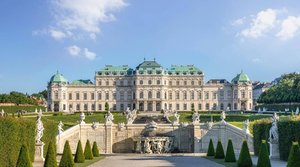
Österreichische Galerie Belvedere, DunajÖsterreichische Galerie Belvedere Dunaj 2 The Scholars' Room, Mother Love (also known as Mutterliebe)
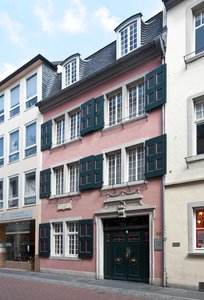
Beethoven-Haus Bonn, BonnBeethoven-Haus Bonn Bonn 2 Beethoven, Beethoven
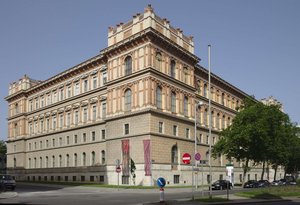
Akademija likovnih umetnosti v Dunaju, DunajAkademija likovnih umetnosti v Dunaju Dunaj 1 Portrait of the Piano-Manufcturer Konrad Graf
Muzej lepih umetnosti, BudimpeštaMuzej lepih umetnosti Budimpešta 1 Siesta (The Sleepers)
Residenzgalerie, SalzburgResidenzgalerie Salzburg 1 The Widow's Offering
Alte Nationalgalerie, BerlinAlte Nationalgalerie Berlin 1 Liszt at the Piano

Jožef Danhauser desetletje za desetletjem: originali, ki definira vsako od njih

Delo po desetletjih

Izberite desetletje, da si ogledate original, ki ga opredeljuje.

Vprašanja zbirateljev o slikah umetnika Jožef Danhauser

Za katero delo je Jožef Danhauser najbolj znan/a?Razkriti odgovor

Liszt Fantasizing at the Piano. Zatem sledeta The Scholars' Room (1842) in Portrait of the Piano-Manufcturer Konrad Graf (1840).

Katera je deset najbolj znanih slik umetnika Jožef Danhauser?Razkriti odgovor

Liszt Fantasizing at the Piano, The Scholars' Room, Portrait of the Piano-Manufcturer Konrad Graf, Wallstein's Grave, The Sleeping Painter in the Studio, Funny Scene in the Studio, Self-portrait, Portrait of a Young Woman, Poor (young) Painter in a Cottage Studio in Portrait of a Woman. Zgornja lestica prikazuje leto nastanka in muzej za vsako delo.

Koliko slik je pustil Jožef Danhauser?Razkriti odgovor

Naš katalog vsebuje 43 del avtorja Jožef Danhauser, datiranih od 1827 do 1844.

V katerih muzejih so razložena remek dela umetnika Jožef Danhauser?Razkriti odgovor

Večini v Österreichische Galerie Belvedere (Dunaj), Beethoven-Haus Bonn (Bonn) in Akademija likovnih umetnosti v Dunaju (Dunaj). Zgoraj navedena tabela muzejev vsebuje njihov celoten seznam.

V katerih letih je Jožef Danhauser naslikal svoja najbolj znana dela?Razkriti odgovor

V obdobju 1830s: 14 od 42 del na tej strani je bilo izdelovanih takrat, med njimi pa The Sleeping Painter in the Studio.

Kakšna sta prva in zadnja znana originala umetnika Jožef Danhauser?Razkriti odgovor

Na tej strani je najstarejše delo iz Beethoven (1827) in najstarejše iz Social Scene (1844).

Katere teme je Jožef Danhauser najpogosteje izbiral?Razkriti odgovor

Man (10), Woman (8) in People (6), na 42 delih na tej strani.

Katero tehniko je Jožef Danhauser najpogosteje uporabljal?Razkriti odgovor

Oil On Canvas, za 10 od 42 del na tej strani.

Kateri umetniški slog pripada Jožef Danhauser?Razkriti odgovor

Biedermeier, glede na originala na tej strani.

Katera dela umetnika Jožef Danhauser so razstavljena v muzeju Österreichische Galerie Belvedere?Razkriti odgovor

The Scholars' Room in Mother Love (also known as Mutterliebe): v muzeju Österreichische Galerie Belvedere, Dunaj se nahaja 2 del z te strani.

Jožef Danhauser: življenje in delo

Življenje zajeto v duhu Biedermeierja

Rodjen v Dunaju, Jožef Danhauser se je izstopil kot vpečena figura v Avstrijskem cesarstvu, ter pustil dediščino, ki globoko odraža obdobje Biedermeierja. Kot sin kiparja in proizvajalca pohištva, Josepha Ulricha Danhauserja, so njegove zgodnje umetniške nagnitve oblikovali neposredno pod roko njegovega očeta. Ta temelj v hplarstvu in oblikovanju je verjetno vplival na skrbno natančnost, ki jo najdemo v njegovih kasnejših delih. Njegova pot skozi dvorane Dunajske akademije likovnih artskih je mu omogočila izpopolnjevanje veščilnosti pod mojstri, kot je Johann Peter Krafft, kar je postavilo temelj za kariero, ki se je premikala med tiho intimnostjo domačih scen in globoko težo zgodovinskih portretov.

Njegovo življenje ni bilo le življenje samotnega ustvarjanja, temveč je bilo tudi tesno prepleteno z industrijskim duhom njegovega časa. Po očetovi smrti se je Danhauser skupaj z brati soočil z vodenjem družinske tovarni pohištva. Ta obdobje vključenosti v sodobno oblikovanje je služilo kot kratek prekinitev v njegovi slikarji, vendar je nedoljno prisdelalo estetski senzibilnosti, ki bo pozneje opredelila njegova žanrska dela. Njegova potovanja skozi Benetko in Prago so še dodatno obogatila njegov vizualni nabir, saj mu je omogočila vpijašanje vplivov italiških mojstrov in integracijo širše evropske perspektive v njegove avstrijske korenine.

Mojstrstvo žanra in čutov

Danhauserjeva umetnost je morda najbolj slavna po svoji sposobnosti zajema subtilnih odtenkov človeškega obstoja. Specializiral se je za žanrska dela, v katere je pogosto vnašal moralističe podtoni in narativno globino, ki opominja na Williama Hogartha. Njegove slike pogosto vabijo gledalca v tihe, kontemplativne prostore—najsaj gre za intelektualno zavetje v delu Šolski prostor ali za mirno, sončno trvalo v Siesta (Spančevci). V teh delih je uporabljal mehkobne palete in mojstorsko tonalno senčenje, da bi vzbudil občutek topline, družobnosti in neželnega prehajanja časa.

Poleg domačne sfere je Danhauser posedel izjemno sposobnost zajema esence velikosti. Njegov portret Beethovena stoji kot dokaz njegove veščilnosti v romantičnem impresionizmu, saj sega dlje od zgolj podobnosti in prenosi psihološko intenzivnost ter slovesno dostojanstvo legendarnega skladatelja. Skozi skrbno uporabo svetlobe in senčenja je oblikoval oblike in čute, ustvarjal dela, ki resonirajo z aurou introspekcije. Ne glede na to, ali je portretiral muzikalno transcendenco v delu Liszt fantazirja ob klavirju ali somberno realnost smrtne postelje, je Danhauserjev čopaj zajel sam pulsi 19. stoletnega romantizma.

Dediščina in umetniški pomen

Čeprav je bilo veliko njegovih del v njegovem življenju skoraj neopaženo, zgodovinski pomen Jožefa Danhauserja leži v njegovi vlogi kot esencionalnega kronikarja svojega časa. Njegov prispevek k gibanju Biedermeier je pomagal opredeliti obdobje, ki ga odlikuje understatement eleganca in osredotočenost na lepoto vsakdana. Njegova dosežki, vključno z prejetjem nagrade Dunajske akademije za delo Die Verstoßung der Hagar in službo podrektora akademije, poudarjajo njegov položaj v umetniški skupnosti Dunaja.

Trajno privlačnost njegovega opusa lahko najdemo v več ključnih elementih:

  • Narativna globina: Njegova sposobnost vpletanja moralističnih tem v zdiolo preproste domače scene.
  • Tehnična vsestranskost: Mojstrstvo, ki sega od nežnih pastelnih barv njegovih pokrajin do ostre, dramatične chiaroscuro v njegovih portretih.
  • Kulturni povezave: Njegov edinstven položaj na stičišču bele umetnosti, oblikovanja pohištva in vzpostavljajočega se romantičnega gibanja.