Portret Alexandre De Riquer

38 najbolj znanih slik umetnika Alexandre De Riquer, vsaka popolnoma edinstvena

Posodobljeno oktober 2026 · uvrščeno glede na naš skoraj priljubljenosti (iskanja, obiske in naročila za vsako delo) · 38 del v našem katalogu avtorja Alexandre De Riquer

Kratek opis

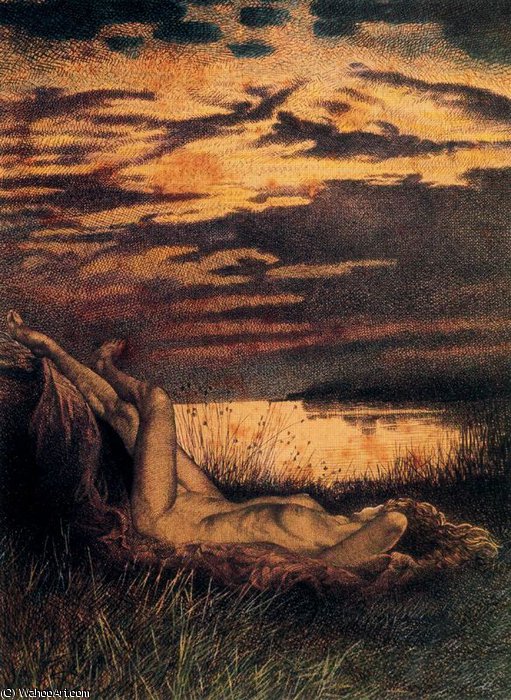
Composition with Winged Nymph Blowing Amongst Reeds (1887) je slika avtorja Alexandre De Riquer, ki pritegne največ pogledov; original se nahaja v muzeju Narodni muzej umetnosti Katalonije, Barcelona. Nato se pogled smeri k Composition with winged nymph at sunrise (1887) in Untitled (970). Med 38 dela umetnika Alexandre De Riquer v našem katalogu so ta 38 najbolj znana; vsako je edinstven original, predstavljen z letnico nastanka, muzejem in razlogom za njegovo nečasenost.

1856 – 1920, Calaf Največ del: Narodni muzej umetnosti Katalonije

10 najboljjših slik umetnika Alexandre De Riquer skozi oči galerije

Slavna platna umetnika Alexandre De Riquer, od številk 11 do 38

Slavna platna umetnika Alexandre De Riquer, razdeljena po obdobjih

Motivi, ki so očarali Alexandre De Riquer

Četiri teme, ki se v teh originalih najpogosteje ponavljajo, vsaka z svojim vrhunskim primerom.

Muzeji, ki hranijo originala umetnika Alexandre De Riquer

2 muzejev, ki vsebujo največ slik na tej strani.

Muzej Mesto Sloga Alexandre De Riquer Slike iz tega seznama
Narodni muzej umetnosti Katalonije, BarcelonaNarodni muzej umetnosti Katalonije Barcelona 2 Composition with Winged Nymph Blowing Amongst Reeds, Composition with winged nymph at sunrise
Biblioteca Museu Víctor Balaguer, ViladecansBiblioteca Museu Víctor Balaguer Viladecans 1 Untitled (607)

Alexandre De Riquer skozi leta: edinstvena originala vsakega dela

Vsi originali umetnika Alexandre De Riquer z navedenim letom, ki so prikazani tukaj, pripadajo letu 1887: razvrščeni so glede na stopnjo znanosti.

Delo po letih

Izberite leto in oglej originale.

Slike umetnika Alexandre De Riquer: vprašanja za galerijo

Katero je najbolj znano delo umetnika Alexandre De Riquer?Razkriti odgovor

Composition with Winged Nymph Blowing Amongst Reeds (1887), Narodni muzej umetnosti Katalonije, Barcelona. Zatem sledeta Composition with winged nymph at sunrise (1887) in Untitled (970).

Pri kateri dobe je Alexandre De Riquer ustvaril Composition with Winged Nymph Blowing Amongst Reeds?Razkriti odgovor

31 let: delo Composition with Winged Nymph Blowing Amongst Reeds iz leta 1887, Alexandre De Riquer pa je bil/a rojen/a leta 1856.

Katera desetina slik avtorja Alexandre De Riquer je najbolj znana?Razkriti odgovor

Composition with Winged Nymph Blowing Amongst Reeds, Composition with winged nymph at sunrise, Untitled (970), Untitled (985), Untitled (176), Untitled (493), Untitled (435), Untitled (715), Untitled (540) in Untitled (413). Zgornja lestica prikazuje leto nastanka in muzej za vsako delo.

Koliko je znanih del avtorja Alexandre De Riquer?Razkriti odgovor

Naš katalog vsebuje 38 del avtorja Alexandre De Riquer.

Kje si lahko ogledate najslavnejše originale umetnika Alexandre De Riquer?Razkriti odgovor

Večini v Narodni muzej umetnosti Katalonije (Barcelona) in Biblioteca Museu Víctor Balaguer (Viladecans). Zgoraj navedena tabela muzejev vsebuje njihov celoten seznam.

V katerem obdobju je Alexandre De Riquer ustvaril svoja najbolj znana dela?Razkriti odgovor

V obdobju 1887: 2 od 38 del na tej strani je bilo izdelovanih takrat, med njimi pa Composition with Winged Nymph Blowing Amongst Reeds.

Katere teme je Alexandre De Riquer najprej ravnate?Razkriti odgovor

Woman figure (2) in Catalan art (2), na 38 delih na tej strani.

Katere originale Alexandre De Riquer lahko vidim v muzeju Narodni muzej umetnosti Katalonije?Razkriti odgovor

Composition with Winged Nymph Blowing Amongst Reeds in Composition with winged nymph at sunrise: v muzeju Narodni muzej umetnosti Katalonije, Barcelona se nahaja 2 del z te strani.

Alexandre De Riquer: portret umetnika

A Life Woven in Art and Intellect

Alexandre de Riquer i Ynglada, 7th Count of Casa Dávalos, was more than just an artist; he embodied a confluence of aristocratic lineage, intellectual curiosity, and artistic innovation that defined the Catalan Modernisme movement. Born in Calaf, Catalonia, in 1856, his life unfolded against a backdrop of political tension – his father, Martí de Riquer, being a prominent Carlist leader – yet was simultaneously nurtured by a mother, Elisea Ynglada, who fostered a deep appreciation for art and literature within the family. This duality shaped Riquer’s path, imbuing him with both a sense of tradition and a restless desire to forge new artistic expressions. His early education in France, first in Béziers and later at the School of Fine Arts in Toulouse, provided a foundational grounding in French artistic traditions, but it was his return to Barcelona and studies at La Llotja that truly ignited his creative spirit under the mentorship of figures like Tomas Padro, Claudi Lorenzale, and particularly Antoni Caba.

The Blossoming of a Multifaceted Talent

Riquer’s artistic journey wasn't confined to a single medium; it was characterized by an extraordinary versatility. He didn’t simply paint or illustrate – he designed jewelry, created decorative programs for events, embellished furniture, and even ventured into ceramic painting. This expansive approach stemmed from a belief in the interconnectedness of art forms and a desire to elevate the aesthetic quality of everyday life. His initial foray into the professional world came through collaboration with Apel·les Mestres, contributing ornamental lettering and cover illustrations that marked the beginning of his prolific career. However, it was a pivotal trip to London in 1894 that irrevocably altered the course of his artistic development. Encountering the Pre-Raphaelites sparked a profound shift in his style, introducing him to a world of romantic narratives, meticulous detail, and symbolic depth. Simultaneously, he became captivated by Japanese art and the burgeoning field of modern poster design, viewing both as avenues for revitalizing graphic arts and imbuing them with new artistic significance. He saw these influences not merely as stylistic choices but as part of a larger “missionary undertaking” to elevate the aesthetic standards of visual communication.

A Master of Graphic Design and Beyond

The sheer breadth of Riquer’s output is astonishing. He produced an extensive body of work encompassing posters, etchings, illustrations for books and magazines, certificates, postcards, stamps, menus, sheet music, business cards, and exquisitely crafted bookplates – over 142 documented articles between 1900 and 1924 alone attest to his relentless creativity. His posters, in particular, garnered international recognition, with two featured in the prestigious collection *Les Maîtres de l'Affiche*, solidifying his reputation as a leading figure in poster art. But Riquer’s talents extended beyond the purely visual realm; he was also a gifted writer and poet, contributing to literary publications and demonstrating a remarkable ability to seamlessly blend artistic disciplines. His work *Los Estudiants de Tolosa* (1886), for example, showcases his lyrical sensibility and deep connection to Catalan folklore. He wasn’t simply illustrating stories; he was actively shaping the cultural narrative of Catalonia through both image and word.

Legacy and Enduring Influence

Alexandre de Riquer's contributions were integral to defining the aesthetic and intellectual character of Modernisme in Catalonia, a movement that sought to reclaim and celebrate Catalan identity during a period of significant social and political change. His ability to synthesize diverse influences – from Pre-Raphaelite romanticism and Japanese aesthetics to Art Nouveau’s flowing lines and symbolic imagery – resulted in a uniquely personal style that resonated deeply with his contemporaries. Following his death in 1920, his extensive library and collections were thoughtfully acquired by the Barcelona Museums and the National Library of Catalonia, ensuring the preservation of his legacy for generations to come. Riquer’s work continues to inspire artists and designers today, serving as a testament to the power of artistic versatility, intellectual curiosity, and a unwavering commitment to cultural expression. He remains a pivotal figure in Catalan art history, a symbol of an era when art was not merely decoration but a powerful force for social and cultural renewal. His influence can still be felt in contemporary design and illustration, reminding us of the enduring beauty and relevance of his artistic vision.