The Essence of Chiaroscuro: Defining Light and Shadow in the 17th Century
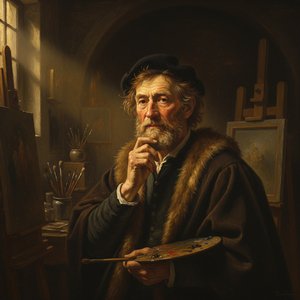
In the heart of the seventeenth century, a profound transformation occurred within the canvas of the Low Countries, giving rise to an era of unparalleled visual drama. This period, known as the Dutch Golden Age, was not merely a time of economic prosperity but a revolution of perception. At the center of this movement lay the technique of chiaroscuro—the deliberate and masterful manipulation of light and dark to create the illusion of three-dimensional volume and emotional weight. To understand this era is to understand the tension between the illuminated subject and the encroaching void.
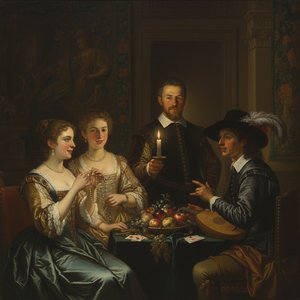
The power of chiaroscuro lies in its ability to direct the viewer's eye, acting as a silent conductor within the composition. By plunging large portions of the canvas into deep, velvety shadows, artists could force the light to perform a singular, dramatic task: to reveal. This was not merely about visibility; it was about significance. When a face emerges from the darkness, or a single hand is caught in a stray beam of sun, the light carries with it a sense of revelation, turning a simple scene into a profound moment of spiritual or psychological intensity.
As we observe these works today, we see that the shadows are never truly empty. They are rich, atmospheric spaces that provide the necessary contrast for the highlights to sing. This interplay creates a sense of depth that pulls the spectator into the very atmosphere of the painting, making the boundaries between the viewer's world and the painted realm feel beautifully thin.
Rembrandt’s Dramatic Revelations: Spiritual Depth Through Contrast
No artist commanded the language of shadow quite like Rembrandt van Rijn. For Rembrandt, light was far more than a physical phenomenon; it was a vessel for the human soul. His approach to chiaroscuro often leaned toward a more rugged, textured application, where the light does not merely sit upon the surface but seems to struggle against the darkness. In masterpieces such as Pilgrims at Emmaus, we witness the profound spiritual encounter through the way light strikes the figures, creating a sense of divine presence amidst the earthly shadows.
Rembrandt’s genius resided in his ability to use light to explore the complexities of aging, grief, and triumph. In his poignant Portrait of Mother of Rembrandt, the artist utilizes subtle gradations of tone to capture the dignity of age, using texture and shadow to map the very history of a life lived. His shadows are thick, emotive, and heavy with narrative, providing a stage upon which the drama of human existence can unfold with unparalleled intimacy.
Through his brush, the darkness becomes a sanctuary for contemplation. By obscuring certain details in deep umber tones, he invites the viewer to use their imagination, completing the story within the unlit corners of the frame. This technique ensures that every illuminated feature—a glint in an eye, a furrowed brow—carults a weight of meaning that resonates long after one has turned away from the canvas.
Vermeer and the Quiet Glow: The Subtle Mastery of Natural Light
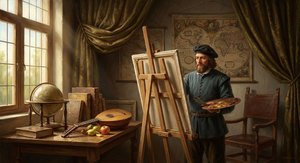
While Rembrandt sought the dramatic, Johannes Vermeer mastered the ethereal. If Rembrandt’s light is a theatrical spotlight, Vermeer’s is the soft, pervasive glow of a quiet afternoon. His work represents a different facet of the Dutch Golden Age—one characterized by an almost scientific precision in capturing how light interacts with domestic spaces. In works like Girl with a Flute, we see a mastery of light that feels incredibly natural, as if the viewer has just stepped into a room and caught a fleeting moment of stillness.
Vermeer’s use of light is often characterized by its coolness and clarity. He had an uncanny ability to depict how light enters through a window, bounces off a textured wall, and settles upon objects with a pearlescent quality. This subtle chiaroscuro does not rely on extreme contrasts to create depth; instead, it uses delicate transitions between light and shadow to build form. The result is a sense of profound tranquility and a hyper-realistic detail that makes the mundane feel monumental.
The magic of Vermeer lies in this quietude. There is no grand theatricality here, only the breathtaking beauty of the everyday. By capturing the way light rests upon a piece of fruit, a pearl earring, or a musical instrument, he elevates the domestic sphere to a level of poetic grace, proving that even the softest shadow can hold immense beauty.
Beyond Portraits: Still Life and the Texture of Everyday Radiance
The mastery of light was not reserved solely for the human countenance; it found an equally fertile ground in the Dutch still life tradition. Artists such as Martinus Nellius utilized the principles of light and shadow to breathe life into the inanimate. In the genre of still life, chiaroscuro serves to emphasize texture, weight, and the ephemeral nature of existence. A single dewdrop on a petal or the glint of light on a silver goblet becomes a study in the physics of beauty.
In these compositions, light acts as an explorer, traveling across surfaces of varying textures—the matte skin of a peach, the cold hardness of pewter, or the delicate translucency of a flower petal. The shadows provide the necessary anchor, giving these objects a sense of physical presence and gravity within the frame. This interplay creates a sensory experience where the viewer can almost feel the coolness of the fruit or the roughness of a linen cloth.
Furthermore, these paintings often served as memento mori—reminders of mortality. The way light illuminates a ripe piece of fruit even as shadows begin to shroud it hints at the inevitable passage of time. Through the careful application of light and dark, Dutch still life painters transformed everyday objects into profound meditations on the fleeting nature of life and the enduring beauty of the natural world.
The Technical Alchemy: Pigments, Glazes, and the Art of Layering
Achieving such breathtaking luminosity required more than just artistic vision; it demanded a sophisticated understanding of chemistry and technique. The Old Masters were alchemists of the canvas, employing a meticulous process of layering to create depth. The foundation of their work often involved building up layers of oil paint, sometimes up to ten or more, to achieve the desired translucency and texture.
A key component of this process was the use of glazes—thin, transparent layers of pigment suspended in oil. By applying these glazes over dried underpaintings, artists could manipulate how light traveled through the paint layers before reflecting back to the viewer's eye. This created a "living" quality within the painting, where the light seems to emanates from deep within the canvas itself rather than merely sitting on the surface.
The technical brilliance of the Dutch masters also relied on the careful selection of pigments and the use of impasto—the thick, tactile application of paint. While glazes provided depth and luminosity, impasto allowed for the creation of highlights that physically protrude from the canvas, catching actual light in the room. This combination of transparent shadows and textured highlights is what gives Dutch Golden Age paintings their incomparable three-dimensional presence, a legacy of craftsmanship that continues to inspire collectors and artists alike.
At OriginalUniqueArt.com, we hold this tradition of academic excellence in the highest regard. Our mission is to preserve the soul of these masterpieces through meticulous hand-painted reproductions. From the careful layering of oils to the recreation of historical textures, our artists strive to ensure that every brushstroke honors the profound legacy of the Dutch Masters, bringing the light and shadow of history into the modern home.