Preverite v realnem okolju
 Pošlji kot čestitko
 Deli
Deli
 Podrobnosti
 Priročnik

 Prenesi
 Podobni artefakti
 Rentgenski posnetek
 Predvajaj diaporama
 Statistika
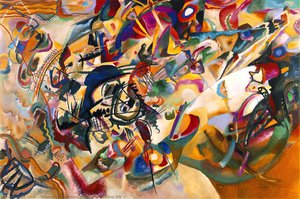
Sestava VIII
 Olje na platnu
- Stenska umetnost
- Abstract Expressionism
 1923
1923- Moderna doba
 140.0 x 201.0 cm
 Guggenheimov muzej
 Preberi več
Ročno izdelana oljna reprodukcija
Ročno slikano olje na platnu v vaši izbiri velikosti in okvirja, izdelano po naročilu naših umetnikov. ( Preklop na tiskanine Preklop na digitalno sliko)




P118B €10

P118H €10

P118W €10

P438Z €10

P508JH €12

P508YH €12

P805H €10

P805Z €10

P919BZ €10

P919G €10

P919XJ €10

P959ZH €10

P968JZ €12

W106C €8

W218G €10

W218JH €8

W218Y €10

W307PJ €10

W316G €10

W316PJ €8

W316Y €10

W398PJ €8

W4111J €10

W500HY €15

W500JH €15

W692G €12

W849H €8

W940BG €15

W953PJ €8




Izberite eno od naših vnaprej določenih velikosti, ki ustrezajo prvotnim proporcijam umetničkega dela.

Vnesite širino in višino, ki jih potrebujete, da se slika prilega vašemu okviru ali steni. Ker je delo ročno slikano, lahko umetnik pri različnih oblikih slik pri robovih doda malo več barve ali pa jih malo odreže — izberite sami. Pred začetkom slikanja vam pošljemo digitalni predogled za potrditev. Slika, prikazana na tej strani, ni končni rezultat — le predogled prikazuje dejansko podobo.
Po oddaji naročila bo ekipa OriginalUniqueArt.com stranki po e-pošti poslala navodila in predogled digitalnega predogleda.
Mednarodna dostava () v 3/4 tednih namesto običajnih 5 tednov. (24 oktober). Brez kompromisov pri kakovosti.

Brezplačna ekspresna dostava po vsem svetu

Visokokakovostno laneno platno

Popolno zavarovanje pošiljke

Garancija povračila carine in uvoznih davkov

Garancija popolnega barvnega ujemanja

Politika vračila v 100 dneh (le v primeru okvar)

Garancija 100% povračila denarja

Popust pri večjem naročilu
 Možnost stekla je na voljo le za velikosti pod 110 cm

Sestava VIII
Tehnika reprodukcije
Velikost reprodukcije
-


Skupna cena
€ 263
Kompozicija VIII: Kandinskijeve simfonije barve in oblike
Wassily Kandinskyjeva Kompozicija VIII iz leta 1923 ni le slika; je vizualna raziskava notranje potrebe, kot jo je sam umetnik poimenoval – prepričanje, da mora umetnost izvirati iz duhovne in čustvene jedra. Nastala v obdobju Kandinskijevega delovanja na Bauhausovi šoli, ta monumentalna platno (140 x 201 cm) predstavlja vrhunec njegove zasedenosti abstraktnim slikarstvom, kjer se barve in oblike združujejo v dinamično in globoko izraznost. Kandinsky je s to kompozicijo prestopil meje tradicionalne reprezentacije in ustvaril svet čiste forme in barve, ki neposredno govorita k duši.
Iz oblika do glasbe: Kandinskijev sinestetični jezik
Kompozicija VIII je izjemna manifestacija Kandinskijevega prepričanja o povezavi med umetnostjo in glasbo. Umetnik je verjel, da barve imajo inherentne čustvene kvalitete, podobno kot note v glasbi, in da jih je mogoče organizirati v vizualne kompozicije, ki spominjajo na simfonijo. Geometrijske oblike – krogi, trikotniki, kvadrati in linije – plavajo po svetlem ozadju, ustvarjajoč občutek gibanja in globine kljub pomanjkanju tradicionalne perspektive. Kontrastne barve, žareče rdeči in rumene v nasprotju s hladnimi modrimi in zelenimi, še pospešujejo vizualno energijo slike. Opazimo subtilne teksture znotraj nekaterih oblik, ki nakazujejo poteze čopiča in dodajajo kompleksnost na drugače ravnih ploskvah. Ta slika ni le vizualna pripoved; je poskus pretvorbe notranjih občutkov v jezik barve in oblike, ki resonira z našimi najglobljimi emocijami.
Bauhaus in evolucija abstrakcije
Nastanek Kompozicije VIII se ne more ločiti od Kandinskijevega obdobja na Bauhausovi šoli. Ta inovativna ustanova je bila osrednja točka za razvoj moderne umetnosti in oblikovanja, kjer so umetniki eksperimentirali z novimi materiali in tehnikami ter raziskovali možnosti abstrakcije. Kandinskyjev nauk na Bauhausu je bil ključen pri njegovem razvoju kot umetnika in je vplival tudi na druge generacije umetnikov. V Kompoziciji VIII se odraža ta razvoj, saj vidimo bolj racionalno in strukturirano uporabo abstraktnih elementov, ki so bili pod vplivom suprematizma in konstruktivizma – umetniških smeri, ki sta poudarjali geometrijske oblike in čiste barve. Sliko je mogoče razumeti kot logičen korak naprej od bolj ekspresivnih kompozicij prejšnjih let.
Simbolizem in notranja resnica
Kandinskyjevo slikarstvo ni bilo brezpredmetno v smislu pomanjkanja pomena; nasprotno pa je bilo polno simbolizma, ki se skriva v izbiri oblik in barv. Krogi predstavljajo celovitost in neskončnost, trikotniki pa dinamiko in napredovanje. Linije pa povezujejo te oblike in ustvarjajo vizualni tok energije skozi sliko. Barve imajo prav tako simboličen pomen: rdeča predstavlja strast in energijo, modra pa mirnost in globino. Kompozicija VIII ni le vizualna uganka; je povabilo k razmislku o naših lastnih notranjih občutkih in duhovni resnici. S pogledu na to sliko se odpremo možnosti za poglobitev v naše čustvene prostore in odkrivanje globljega smisla, ki se skriva pod površjem.
Vprašanja in odgovori
Kako se v delu "Sestava VIII" prepletata tehnika in gibanje?
"Sestava VIII" je izdelano z uporabo Olje na platnu v slogu Abstract Expressionism.
Za kakšno velikost se za Dnevna soba priporoča "Sestava VIII"?
Za Dnevna soba je priporočena velikost tiska za "Sestava VIII" avtorja Vasiliy Vasil'Evič Kandinskij Velika dimenzija.
Kdo je umetnik za "Sestava VIII"?
Delo "Sestava VIII" je ustvaril Vasiliy Vasil'Evič Kandinskij. Informacije na tej strani opisujejo izvirno delo umetnika Vasiliy Vasil'Evič Kandinskij.
Biografija umetnika
A Life Immersed in Color and Spirit
Wassily Wassilyevich Kandinsky, born December 4, 1866, in Moscow, Russia, was a revolutionary figure who irrevocably altered the course of modern art. His journey wasn’t one of immediate artistic calling; initially destined for a career in law and economics at the University of Moscow, it was a profound encounter with Impressionist painting – specifically Claude Monet's “Haystacks” – and a deeply moving experience witnessing Wagner’s opera "Lohengrin" that ignited within him an irrepressible desire to pursue art. This pivotal moment, occurring around age thirty, marked not merely a career change but a complete transformation of perspective, setting him on a path toward pioneering abstraction. He soon relocated to Munich, enrolling at the prestigious Academy of Fine Arts and studying under Franz von Stuck, though even within formal training, Kandinsky’s spirit yearned for exploration beyond conventional boundaries. Early influences included Russian folk art, gleaned from an ethnographic expedition to the Vologda region in 1889, which instilled a fascination with vibrant color palettes and symbolic imagery. This foundation would prove crucial as he began to develop his unique artistic language. These early explorations weren’t simply about aesthetic preference; they were rooted in a deep cultural connection and a burgeoning understanding of how art could communicate beyond the literal. He experimented with landscapes and portraits, demonstrating considerable skill but always feeling constrained by representational limitations.The Dawn of Abstraction: From Expressionism to Inner Necessity
Kandinsky’s early works reveal a strong expressionistic bent, characterized by bold colors and emotional intensity – pieces like “Papeln (Poplars)” from 1902 exemplify this period. However, he wasn't content with merely representing the external world; he sought to express inner realities, spiritual truths that transcended mere visual depiction. This quest led him gradually away from representational art and toward a revolutionary exploration of color, form, and their emotional resonance. He believed that colors possessed inherent psychological effects, capable of evoking specific feelings and sensations in the viewer. This conviction was deeply intertwined with his burgeoning interest in Theosophy, a spiritual movement emphasizing esoteric knowledge and universal brotherhood. As he delved deeper into these ideas, Kandinsky’s paintings became increasingly non-objective, shedding recognizable forms in favor of abstract compositions driven by an “inner necessity.” This wasn't simply about abandoning representation; it was about discovering a new visual language capable of expressing the intangible realms of emotion and spirituality. He sought to create a visual equivalent of music, where color and form harmonized to evoke profound emotional responses.- Notable Early Works: “Papeln (Poplars),” “Fruitful Tree,” “Moscow Landscape”
- Influences: Impressionism (Monet), Russian Folk Art
Geometric Harmony and Spiritual Resonance
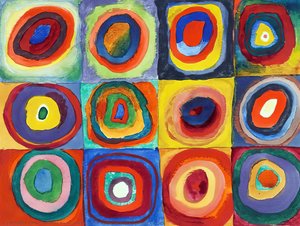
The period following his involvement with the influential artist group Der Blaue Reiter (The Blue Rider), which he co-founded in Munich in 1911, saw a further evolution in Kandinsky’s style. While earlier works often featured fluid, organic shapes, he began to explore geometric abstraction, focusing on the interplay of circles, triangles, and squares. “Several Circles” (140 x 140 cm) stands as a prime example of this phase – a dynamic composition where color and form interact in a harmonious yet energetic dance. He theorized extensively about the relationship between art and spirituality, arguing that true artistic expression required overcoming the limitations of visual perception and accessing realms beyond the observable world.- The Blaue Reiter Group: Collaboration with Franz Marc and other artists
- Theoretical Writings: “Concerning the Spiritual in Art” (1911)
Bauhaus Influence and Lasting Legacy
The outbreak of World War I forced Kandinsky's return to Russia in 1914, but following the Russian Revolution, he found himself increasingly at odds with the prevailing artistic climate. In 1920, he accepted a teaching position at the Bauhaus school in Germany, where he profoundly influenced generations of artists with his theories on color, form, and abstraction. The Bauhaus provided an ideal environment for Kandinsky to further develop his ideas and explore new creative avenues. He continued to experiment with geometric forms and vibrant colors, often incorporating layered impasto techniques to create textured surfaces that added depth and complexity to his compositions – as seen in later works like “An Intimate Party” (1942). After the closure of the Bauhaus by the Nazi regime in 1933, Kandinsky moved to France, where he remained for the rest of his life. His impact on modern art is immeasurable; he is widely recognized as a pioneer of abstract expressionism and a key figure in the development of non-representational painting. His works are held in major museums worldwide, including the Tretyakov Gallery in Moscow, which houses his monumental “Composition VII,” a testament to his artistic vision and enduring legacy. He died December 13, 1944, in Neuilly-sur-Seine, France.- Major Achievements: Bauhaus Teaching Position, Development of Geometric Abstraction
- Notable Later Works: “Composition VII,” “An Intimate Party”

Vasiliy Vasil'Evič Kandinskij
1866 - 1944 , Rusija
Ključne informacije
- Artistic Movement Or Style: Abstraktna umetnost, Ekspresionizem
- Artists Or Movements Influenced By This Artist: ['Abstraktna ekspresija']
- Artists Who Influenced This Artist:
- Claude Monet
- Richard Wagner
- Date Of Birth: 1866
- Full Name: Wassily Wassilyevich Kandinsky
- Nationality: Ruski
- Notable Artworks: ['Kompozicija VII']
- Place Of Birth: Moscow, Russia
Sorodni članki

Kandinsky's Masterpieces: 25 Paintings That Define Abstract Art | OriginalUniqueArt
Journey through Wassily Kandinsky's 25 most iconic abstract paintings. Explore his revolutionary use of color, form & spiritual expressionism. Find museum-quality Kandinsky reproductions and elevate your home decor with OriginalUniqueArt.com. Discover all masterpieces on OriginalUniqueArt.com!

Absolutni Izrazi: 10 Mojstrin Del, Ki So Definirali Gibanje
Odkrijte 10 mojstrin del abstraktnega ekspresionizma! Pollock, Rothko & De Kooning - zgodbe za kulise ikoničnih umetnin. Inspirirajte se in poiščite reprodukcije na OriginalUniqueArt.com!

Geometrična Abstraktna Umetnost: 10 Mojstrovin za Vaš Dom | OriginalUniqueArt.com
Odkrijte 10 mojstrovin geometrične abstrakcije! Mondrian, Malevich, Kandinsky in drugi. Zgodbe umetnikov, tehnike ter navdih za vaš dom. Kvalitetne reprodukcije slik na OriginalUniqueArt.com. Raziskajte celotno zbirko online!
Kazimir Malevich: 25 Mojstrovin Suprematizma za Navdih v Vašem Domu | OriginalUniqueArt
Odkrijte 25 mojstrovin Kazimirja Maleviča, pionirja suprematizma! Raziskajte zgodbe za črnim kvadratom in belo na belem. Umetniške reprodukcije vrhunske kakovosti za vaš dom – OriginalUniqueArt.
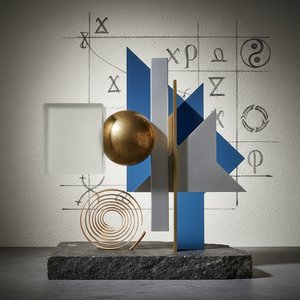
Beyond Form: Exploring the Philosophical Foundations of Geometric Abstraction
Explore the philosophical roots & artistic evolution of geometric abstraction with OriginalUniqueArt. Discover Mondrian, Malevich, De Stijl & more. Expert insights for collectors and art enthusiasts.