
 Predogled
 Pošlji
 Deli
Deli
 Podrobnosti o delu

 Prenesi
 Podobni izdelki
 Rentgenski posnetek
 Predvajaj diaporama
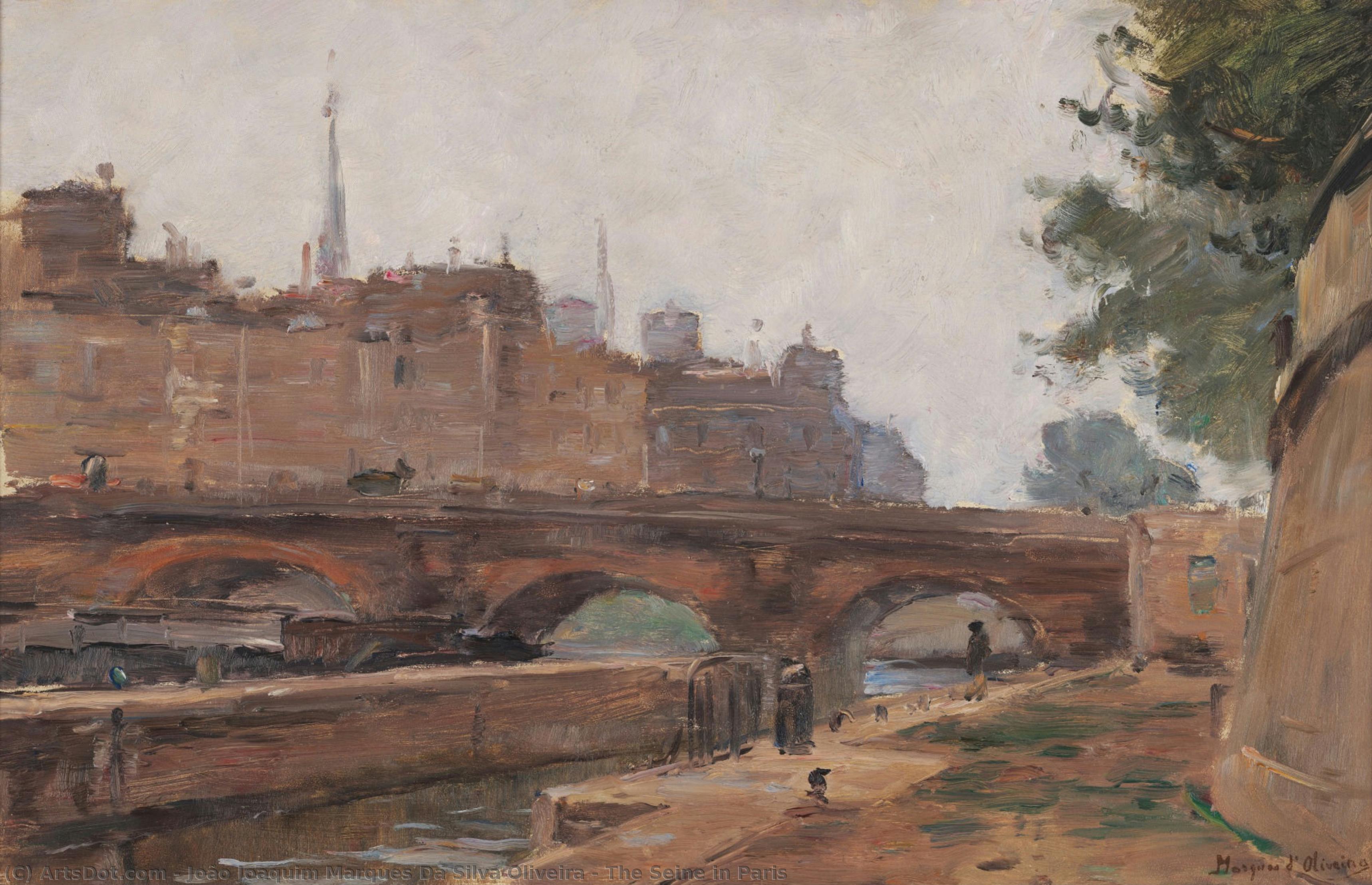
Čez Seno v Parizu
 Olje na platnu
- Stenska umetnost
- Impressionism
 1906
1906 29.0 x 45.0 cm
 Grão Vasco National Museum
 Razviljaj več
Ročno izdelana oljna reprodukcija
Ročno slikano olje na platnu v vaši izbiri velikosti in okvirja, izdelano po naročilu naših umetnikov. ( Switch to Print Preklop na sliko)




P118B $10

P118H $10

P118W $10

P438Z $10

P508JH $12

P508YH $12

P805H $10

P805Z $10

P919BZ $10

P919G $10

P919XJ $10

P959ZH $10

P968JZ $12

W106C $8

W218G $10

W218JH $8

W218Y $10

W307PJ $10

W316G $10

W316PJ $8

W316Y $10

W398PJ $8

W4111J $10

W500HY $15

W500JH $15

W692G $12

W849H $8

W940BG $15

W953PJ $8




Izberite eno od naših vnaprej določenih velikosti, ki ustrezajo prvotnim proporcijam umetničkega dela.

Svoje dimenzije lahko vnesete tako, da se prilagodite določenemu okvirju ali prostoru. Če izbrana velikost ne ustreza razmerjem originalne slike, bomo umetniško delo obrezali ali sliko dopolnili z dodatnimi ročno naslikanimi elementi. Pred začetkom proizvodnje vam bo poslan digitalni osnutek v odobritev.
Upoštevajte, da predogled na zaslonu ne odraža dejanskega obrezovanja ali podaljšanja. Le osnutek bo natančno prikazal končno kompozicijo.
Čeprav so na voljo velikosti po meri, priporočamo izbiro dimenzije s preddefiniranega seznama, da ohranimo originalne razmere.
Po oddaji naročila bo ekipa OriginalUniqueArt.com stranki po e-pošti poslala navodila in predogled digitalnega predogleda.
Svetska dostava () za 3/4 nedelje umesto uobičajenih 5 nedelja. (11 avgust). Bez kompromisa po pitanju kvaliteta.

Brezplačna ekspresna dostava po vsem svetu

Visokokakovostno laneno platno

Popolno zavarovanje pošiljke

Garancija povračila carine in uvoznih davkov

Garancija popolnega ujemanja barv

60-dnevna politika vračanja (le v primeru napak)

Garancija 100% povračila denarja

Popust pri večjem naročilu
 Možnost stekla je na voljo le za velikosti pod 110 cm

Čez Seno v Parizu
Tehnika reprodukcije
Velikost reprodukcije
-


Skupna končna cena
$ 300
Opis umetninine
João Joaquim Marques da Silva Oliveira: A Silent Ode to Parisian Dusk
João Joaquim Marques de Oliveira (1853-1927) stands as a cornerstone of Portuguese landscape painting, particularly renowned for his masterful depictions of the Seine River in Paris. More than just capturing a visual scene, Oliveira sought to distill the very essence of the city – its melancholic beauty and timeless spirit – into canvases imbued with subtle hues and evocative textures. His work exemplifies the naturalist tradition while simultaneously embracing influences from Impressionism and Corot, resulting in an artistic idiom that transcends mere representation. Oliveira’s approach was rooted in meticulous observation and a profound understanding of light's transformative power. Like many Impressionists before him, he eschewed academic conventions favoring plein air painting—working outdoors directly onto the canvas—allowing him to capture fleeting atmospheric conditions. This technique is particularly evident in “The Seine in Paris,” where Oliveira skillfully employs muted grey tones overlaid with delicate washes of rose and gold pigment. These colors aren’t intended to brighten or embellish; rather, they deepen the painting's inherent sadness, mirroring the quiet contemplation evoked by the dusky Parisian sky. The composition itself is remarkably restrained. Oliveira centers his gaze on the river’s surface—a dull body reflecting the city lights—and expands outwards from this focal point, suggesting a panoramic view of Paris. However, he avoids detailed rendering of individual buildings or figures; instead opting for patches of color that convey mood and atmosphere rather than precise likenesses. This stylistic choice echoes Corot's influence, who similarly prioritized capturing the spirit of nature over meticulous topographical accuracy. The artist’s deliberate simplification serves to heighten the painting’s emotional resonance, inviting viewers into a meditative experience. Furthermore, Oliveira’s use of color—primarily grey punctuated by rose and gold—is laden with symbolic significance. Grey represents introspection and solitude, reflecting Oliveira's own contemplative disposition as well as the pervasive mood of Parisian life during his time. The rosy hues evoke memories of past glories and hint at a yearning for beauty amidst urban decay – a sentiment that resonates deeply within the viewer’s subconscious. The golden accents symbolize illumination and spiritual grace, subtly countering the melancholic undertones and suggesting an enduring connection to the divine. “The Seine in Paris” isn't merely a depiction of a cityscape; it’s a profound meditation on time, memory, and artistic expression. Oliveira’s legacy lies not only in his technical prowess but also in his ability to convey complex emotions through deceptively simple visual elements—a testament to the enduring power of art to capture the soul of its subject. It remains an inspiring piece for collectors seeking authentic representations of Parisian charm and a poignant reminder that true beauty resides in quiet contemplation.Biografija umetnika
A Life Immersed in Light and Learning: The World of João Joaquim Marques de Oliveira
João Joaquim Marques da Silva Oliveira, a name resonant within the annals of Portuguese art, was more than simply a painter; he was a pivotal figure who bridged artistic innovation with dedicated education. Born in Porto in 1853, his life unfolded against a backdrop of evolving artistic styles and a burgeoning national identity. From an early age, a clear inclination towards visual expression led him to the Escola Superior de Belas-Artes do Porto at just eleven years old. This formal training provided a solid foundation, but it was his subsequent journey to France – specifically, the prestigious École des Beaux-arts – that truly ignited his artistic development. There, under the tutelage of masters like Alexandre Cabanel and Adolphe Yvon, he absorbed the nuances of academic painting while simultaneously venturing into explorations with colleagues such as António da Silva Porto. These formative years weren’t confined to Parisian studios; extensive travels through Belgium, England, the Netherlands, and Italy broadened his perspective, exposing him to diverse landscapes and artistic traditions that would profoundly influence his future work. His early participation in the Salons of 1876 and 1878 signaled a promising start, showcasing an emerging talent poised to make its mark on the European art scene.Pioneering Plein-Air and Shaping Artistic Education
Upon his return to Porto in 1879, Marques de Oliveira didn’t merely practice his art; he actively disseminated new ideas. He became a champion of plein-air painting – the act of painting outdoors directly from nature – a revolutionary concept for Portugal at the time. This commitment to capturing the immediacy of light and atmosphere would become a defining characteristic of his style, imbuing his landscapes with a sense of vibrant realism. Simultaneously, he became deeply involved in the artistic community, serving as Vice-President of the Centro Artístico Portuense, an organization dedicated to fostering creativity and innovation. However, perhaps his most enduring legacy lies in his decades-long commitment to art education. From 1881 until 1926, he served as a professor at the Academy in Porto, eventually rising to the position of Director. He wasn’t simply imparting technical skills; he was cultivating a new generation of artists, instilling in them a passion for observation, a dedication to craftsmanship, and an appreciation for the power of artistic expression. Among his notable students were Aurélia de Sousa and Lino António, both of whom would become significant figures in Portuguese art.Naturalism’s Embrace: Themes and Techniques
Marques de Oliveira's artistic style is firmly rooted in Naturalism, a movement that sought to depict the world with unflinching realism, often focusing on everyday life and landscapes. His paintings are characterized by meticulous attention to detail, a subtle yet masterful handling of light and shadow, and a profound sense of atmosphere. While he explored various subjects throughout his career, he is particularly renowned for his serene landscapes and evocative seascapes. Works like Marina, housed in the Casa-Museu Dr. Anastácio Gonçalves in Lisbon, exemplify his ability to capture the tranquility and beauty of the Portuguese coastline. His paintings aren’t merely representations of places; they are imbued with a sense of mood and emotion, inviting viewers to immerse themselves in the scene. Portrait of António Soares dos Reis demonstrates his skill in portraiture, capturing not just physical likeness but also the character and intellect of his subject. He skillfully blended academic training with the freshness of plein-air observation, resulting in a style that was both technically proficient and emotionally resonant.A Lasting Influence and National Recognition
Marques de Oliveira’s contributions extended beyond his artistic creations and teaching endeavors. In 1911, he was appointed Chairman of the Board and member of the Executive Committee for Art at the Soares dos Reis National Museum, playing a crucial role in shaping the museum's collection and direction. He later became its Director in 1913, further solidifying his position as a leading figure in Portuguese cultural life. His dedication to art and education was formally recognized posthumously in 1929 with the unveiling of a bronze bust in the Jardim de São Lázaro, adjacent to the Academy – a fitting tribute to a man who had devoted his life to nurturing artistic talent. Today, his works continue to be admired for their technical brilliance, emotional depth, and enduring beauty. His legacy lives on not only through his paintings but also through the countless artists he inspired during his long and distinguished career. He remains a vital link in understanding the development of Portuguese art during the 19th and early 20th centuries, a testament to the power of dedication, innovation, and a lifelong commitment to learning.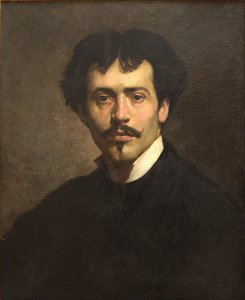
João Joaquim Marques da Silva Oliveira
1853 - 1927 , Portugal
Hitri podatki
- Artistic Movement Or Style: Naturalism
- Artists Or Movements Influenced By This Artist:
- Aurélia de Sousa
- Lino António
- Artists Who Influenced This Artist:
- Alexandre Cabanel
- Adolphe Yvon
- Date Of Birth: 1853
- Date Of Death: 1927
- Full Name: João Joaquim Marques da Silva Oliveira
- Nationality: Portuguese
- Notable Artworks:
- Marina
- Woman in Rome
- Portrait of António Soares dos Reis
- Place Of Birth: Porto, Portugal
Sorodni članki
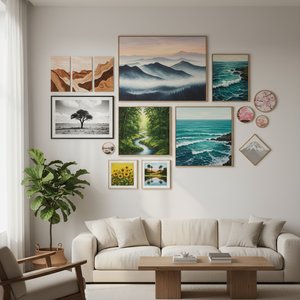
Beyond the Horizon: 10 Landscape Masterpieces for Your Home Decor
Journey through 10 breathtaking landscape paintings by Monet, Van Gogh & more! Explore iconic artworks, artistic techniques & find inspiration for your home decor. Museum-quality reproductions at OriginalUniqueArt.com. Discover all masterpieces on OriginalUniqueArt.com

Evocations of Place: A Historical Journey Through Landscape Art
Explore the rich history of landscape art with OriginalUniqueArt. Discover renowned artists, movements like Impressionism & tonalism, and expert guidance for collecting timeless pieces. Find your perfect serene escape today!

Evocations of Place: A Historical Journey Through Landscape Art
Explore the rich history of landscape art with OriginalUniqueArt. Discover renowned artists, movements like Impressionism & Romanticism, and expert guidance for collecting timeless pieces. Find your perfect serene escape today!

Flowing Narratives: Rivers in Painting – A Historical Exploration
Explore the rich history of rivers in painting! Discover masterpieces from ancient times to Impressionism & beyond. Learn about symbolism, artists like Monet & Daubigny, and find your perfect serene artwork at OriginalUniqueArt.
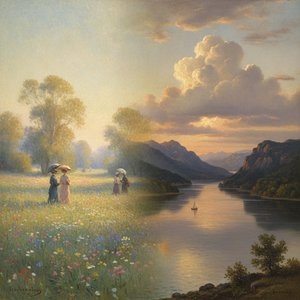
Capturing the Light: A Journey Through the Soul of American Impressionism and the Hudson River School
Explore the luminous beauty of American Impressionism and the Hudson River School. Discover a curated journey through light, landscape, and history, celebrating the enduring legacy of masters through exquisite, hand-painted oil reproductions for the discerning art lover.


