Figurative Expressionism · 1926
Reconstructing (Paul Klee, 1926)
Paul Klee (1879–1940) je izdelal Reconstructing. Zajema leto 1926. Spada v umetniško smer Figurative Expressionism. Izdelano je iz Olje na platnu. Dimenzije so 36 × 39 cm.
- 1926
- Olje na platnu
- 36 × 39 cm

 Predogled v realnem okolju

 Ročno izdelano oljno slikarstvo
 Pošlji
 Deli
 Informacijski list za tjači


 Prenesi sliko
 Podobni izdelki
 Rentgenski posnetek
 Predvajaj diaporama
 Vprašanja in odgovori

 Statistika
Reconstructing, na kratek
- Naslov
- Reconstructing
- Umetnik
- Paul Klee (1879–1940)
- Umetnik, rojen v
- Münchenbuchsee, Švica
- Datum
- 1926
- Tehniko
- Olje na platnu
- Dimenzije
- 36 × 39 cm
- Gibanje
- Figurative Expressionism
- Obdobje
- Moderna doba
Kaj prikazuje Reconstructing?
Reconstructing: A Journey into Paul Klee’s Figurative Expressionism
- Subject and Composition: Paul Klee's “Reconstructing” (1926) presents an intriguing, abstracted landscape or architectural scene. The composition eschews a traditional focal point, inviting the viewer to explore a network of geometric shapes and linear elements arranged across a warm-toned background. These forms suggest fragmented buildings, stairs, or windows, creating a sense of rebuilding or recalling memories.
- Style and Technique: This artwork is a prime example of Figurative Expressionism, a movement that emerged as a reaction against the more conceptual art trends of the time. Klee masterfully employs watercolor or a similar translucent medium, layering colors to create depth and texture. The rough handling of materials adds an emotional intensity characteristic of the style. His unique blend of expressionism, cubism, and surrealism is evident in the painting’s dreamlike quality.
The Rise of Figurative Expressionism
- Historical Context: Figurative Expressionism arose in the late 1970s, drawing inspiration from earlier German Expressionists like Emil Nolde and Ernst Ludwig Kirchner. It marked a return to recognizable objects – particularly the human form – portrayed with intense emotion. This movement was seen as a revival of self-expression in European art after periods dominated by American artistic trends.
- Neo-Expressionism & Beyond: The style evolved into various regional manifestations, including Transavanguardia in Italy and Neue Wilden in Germany. While initially celebrated for its return to figuration and emotional depth, Neo-Expressionism also faced criticism regarding its relationship with the art market and perceived lack of radical innovation.
- Klee’s Place within the Movement: Paul Klee's work stands out due to his intellectual approach and unique color theory. He wasn’t simply expressing raw emotion; he was exploring the underlying structures of form and design, as evidenced in his influential “Writings on Form and Design Theory.”
Symbolism and Emotional Impact
- Decoding the Forms: The shapes within "Reconstructing" are not merely abstract; they carry symbolic weight. The architectural fragments suggest a process of rebuilding, perhaps representing personal or collective memory. The circular forms may symbolize wholeness or cycles of renewal.
- Color and Mood: Klee’s use of warm colors – yellows, oranges, and reds – evokes feelings of warmth and nostalgia, while the muted tones create a sense of tranquility. The overall effect is one of gentle contemplation rather than dramatic upheaval.
- Experiencing the Artwork: “Reconstructing” invites viewers to engage with their own interpretations and emotions. It’s a work that rewards close observation and encourages reflection on themes of memory, loss, and renewal.
Visokoresolucijske slike dela Reconstructing
Javna lastnina: umetnik je umrl leta 1940.
Paul Klee, Reconstructing (1926). Domen javne lastnine
Odgovori na vprašanja o Reconstructing
Kdaj je bilo ustvarjeno "Reconstructing"?
"Reconstructing" izvira iz 1926. Ta datum delo situira v okvir Paul Kleeove kariere in obdobja, v katerem je nastalo.
Z kakšno tehniko je izdelano "Reconstructing"?
Tehnika za delo "Reconstructing" avtorja Paul Klee je Olje na platnu. Različice imajo za namen natančno prikazati videz te tehnike.
Kakšne so dimenzije izvornega dela "Reconstructing" avtorja Paul Klee?
Originalne dimenzije dela "Reconstructing" znašajo 36 x 39 cm. Prvotne mere so koristna referenca pri izbiri velikosti reprodukcije.
Ali je "Reconstructing" v javni domeni?
"Reconstructing" avtorja Paul Klee je v javni domeni (v javni domeni – avtorska pravica je zastarela). Ta status določa način, kako se lahko slika dela reproducira.
Kdo je avtor dela "Reconstructing"?
"Reconstructing" pripisujemo Paul Klee.
V kateri umetniški smer spada "Reconstructing" avtorja Paul Klee?
"Reconstructing" je del umetniškega sloga Figurative Expressionism, ki predstavlja umetniško tradicijo, v katero je delo vključeno.
V katero obdobje kariere Paul Klee pripada delo "Reconstructing"?
"Reconstructing" pripada Mature Period (Bauhaus) v karieri umetnika Paul Klee. Ta razvrstitev povezuje delo z umetnikovim razvojnim obdobjem.
Koliko je bil Paul Klee let, ko je nastalo delo "Reconstructing"?
Ko je bilo delo "Reconstructing" ustvarjeno leta 1926, je bil Paul Klee – rojen leta 1879 – star 47 let.
Ali je delo "Reconstructing" avtorja Paul Klee v javni lastini in zakaj?
"Reconstructing" avtorja Paul Klee je v javni domeni – avtorska pravica je zastarela. Avtorske pravice se izračunajo od smrti umetnika, ki je umrl leta 1940.
O umetniku, Paul Klee

1879–1940, Švica
Paul Klee
Z early life of Paul Klee Paul Klee se je rodil 18. decembra 1879 v Münchenbuchseeju v bližini Berna v Švici, v domu, ki ga je definovala disciplina glasbe. Kot drugi otrok Hansa Wilhelma Kleeja, nemškega učitelja glasbe, in Ide Marie Klee, švicarske pevke, je odrasel v vzdušju, ki ga je oblikovala sonora umetnost. Zvoki starševskih profesij so verjetno oblikovali vzdušje njegovega otroštva in mu podali ritmično podlago, ki mu je spremljala tudi v kasnejjih letih.
Tudi dela avtorja Paul Klee
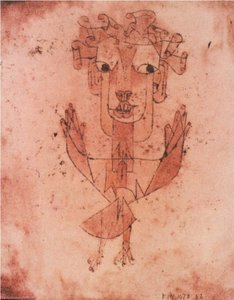 Novi angel1920
 Twittering Machine
 Na Parnas1932
 Legenda o Nilu1937
Eseji o delu Reconstructing
 Neo-Expressionism: The Return of Figuration and the Visceral Painterly GestureExplore the visceral return of Neo-Expressionism and its impact on modern figuration. Master the history of the painterly gesture now.
 Mastering Abstraction: The Top 25 Essential Artworks by Paul KleeEmbark on a visual journey through the top 25 masterpieces of Paul Klee. Explore his iconic use of color, rhythm, and abstraction through m…
 Swiss artworks of the 1920s1920s Swiss masterpieces by Paul Klee, Giovanni Giacometti, and Hans Emmenegger. View these iconic works on OriginalUniqueArt.com.